
Category: Blog
Check the Fridge: How a Simple Game Is Transforming Early Childhood Learning
The Rise of Play-Based Learning in a Changing Educational Landscape In the last decade, early childhood education has undergone a shift that feels both modern and refreshingly familiar. Parents, teachers, and child-development experts have been rediscovering something that young children have always known instinctively: learning happens most powerfully through play. As schools grapple with overstimulation,
Unlocking Literacy: How Boggle Builds Vocabulary and Cognitive Skills in Children
Children’s literacy development is a journey filled with excitement, curiosity, and discovery. One of the most effective—but often overlooked—tools for nurturing this growth is a simple word game: Boggle. At first glance, Boggle might seem like a fun, casual activity to keep kids entertained, but beneath its seemingly playful exterior lies a wealth of educational

How Digital Toys Changed Kids’ Imagination—For Better or Worse
The arrival of digital toys has redefined childhood in ways previous generations could hardly have imagined. Where once children relied primarily on dolls, building blocks, outdoor play, and endless hours of self-directed creativity, they now have access to immersive touchscreens, interactive robots, augmented-reality experiences, and video-game worlds richer and more complex than any storybook. Digital
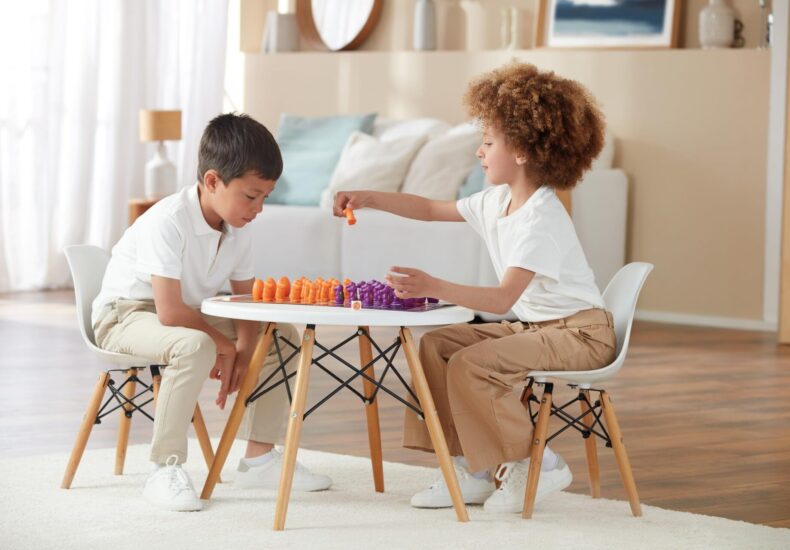
Crosswords for Kids: Unlocking Vocabulary and Critical Thinking Through Play
In an era dominated by screens, apps, and instant entertainment, finding activities that are both fun and intellectually stimulating for children can feel like searching for a needle in a haystack. Yet, crossword puzzles offer a delightful solution, combining playful challenge with profound educational benefits. Far from being just a pastime for adults in Sunday

Jigsaw Puzzles as a Learning Tool: Turning Fun into Foundational Skills
There’s something almost magical about watching a child sit before a jigsaw puzzle — tiny hands turning colorful pieces, eyes narrowing in concentration, a mix of curiosity and determination lighting up their face. What seems like simple play is, in truth, one of the most quietly powerful learning experiences a child can have. Jigsaw puzzles
Balancing Fun and Facts: The Secret Formula Behind Educational Programming
Educational programming has long walked a delicate line between entertainment and instruction. Creating content that captivates an audience while delivering accurate, meaningful information is a challenge that has shaped the evolution of media, pedagogy, and curriculum design. From early radio broadcasts to modern digital platforms, the most successful educational programs have found a way to
How Playing Checkers Boosts Cognitive Development in Children
Checkers is often seen as a simple, classic board game, something that conjures memories of lazy afternoons spent with family or friends. Yet beneath its straightforward rules lies a rich world of educational benefits that can significantly boost a child’s cognitive development. Far from being just a pastime, checkers provides a structured environment where young
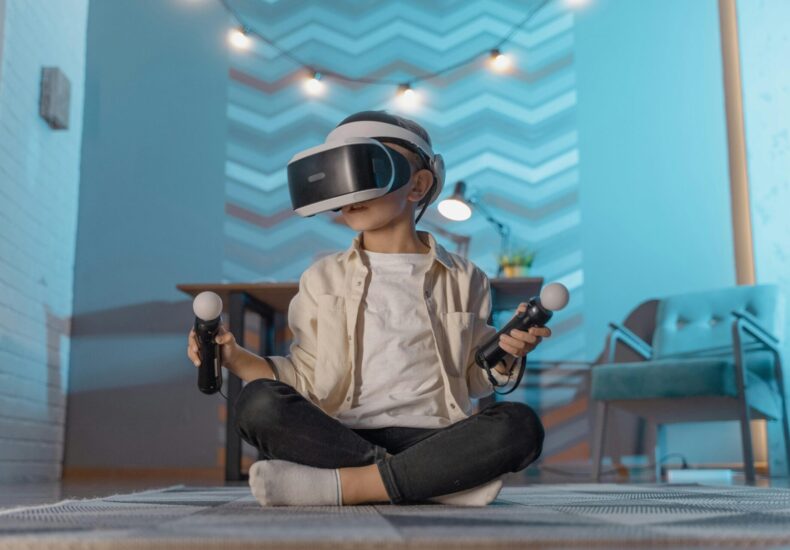
Kids in VR: Cognitive Development, Education, and Screen-Time Concerns
Virtual reality (VR) has rapidly evolved from a niche technology to a mainstream educational and entertainment tool. Among children and adolescents, VR offers immersive experiences that can reshape how they learn, play, and interact with digital environments. From virtual classrooms to interactive storytelling, VR provides opportunities that were unimaginable a decade ago. However, alongside these

How Head Bands Games Boost Critical Thinking and Communication Skills in Kids
In a world dominated by screens and instant gratification, finding playful activities that genuinely nurture cognitive and social growth in children has become increasingly essential. One game that has stood the test of time, not just as a source of laughter but as a powerful educational tool, is the Head Bands game. Often seen at
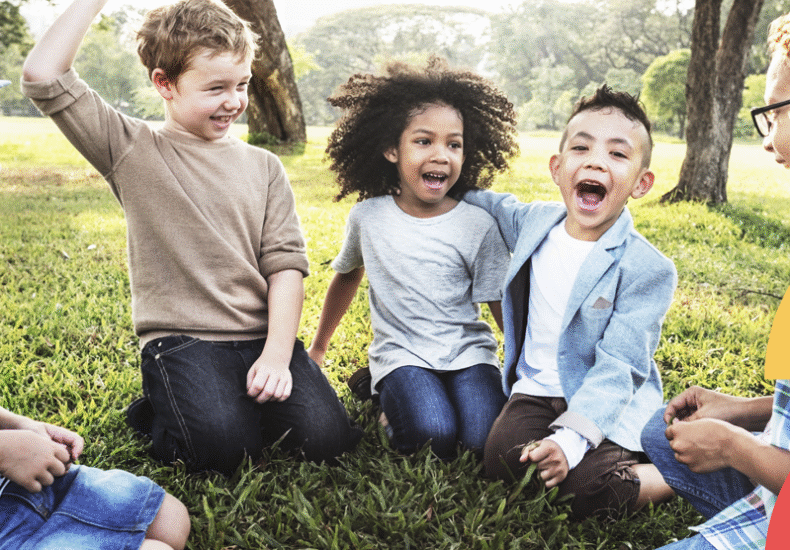
The Power of Play: How Social Interaction Shapes Kids
Play is often dismissed as mere recreation, but it is, in fact, a cornerstone of childhood development. Through play, children learn critical social, emotional, and cognitive skills that lay the foundation for lifelong learning and well-being. While traditional education focuses on structured lessons, it is in unstructured social interactions—games, imaginative scenarios, and cooperative activities—that children