

Check the Fridge: How a Simple Game Is Transforming Early Childhood Learning
The Rise of Play-Based Learning in a Changing Educational Landscape
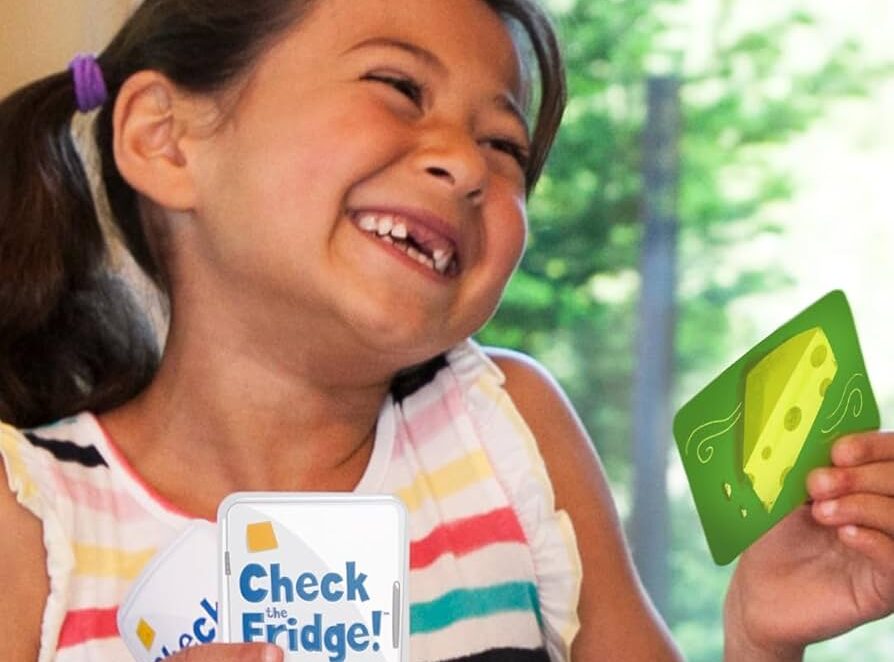
In the last decade, early childhood education has undergone a shift that feels both modern and refreshingly familiar. Parents, teachers, and child-development experts have been rediscovering something that young children have always known instinctively: learning happens most powerfully through play. As schools grapple with overstimulation, shortened attention spans, and the pressures of early academic performance, many educators are moving toward tools that encourage natural curiosity and joyful discovery. “Check the Fridge” has emerged as one of those rare games that manages to blend fun, strategy, and educational depth without ever feeling like a lesson.
The game, at first glance, appears simple. There is a refrigerator. There are ingredients. There is a question: what’s inside? But beneath its playful exterior is a carefully constructed system of cognitive challenges designed to strengthen memory, reasoning, communication, and emotional resilience. The brilliance of Check the Fridge is that it does this without a single worksheet or standardized test. Children learn because they want to, because the game invites them to explore, predict, negotiate, and think.
Understanding the Mechanics Behind the Game’s Educational Value
To appreciate why Check the Fridge is so transformative, it helps to understand what actually happens when a child plays. At its core, the game works like a blend of logic puzzles, memory tasks, and social deduction activities. Children must track which items have been mentioned, remember what’s supposedly in the fridge, interpret the intentions of other players, and decide when to take risks or trust their instincts.
This combination of tasks activates multiple parts of the brain simultaneously. Children must use working memory to keep track of information, executive function to plan their next move, and critical thinking to evaluate what others might be hiding. These are foundational cognitive skills that support literacy, numeracy, and problem-solving later in life. What makes Check the Fridge exceptional is that it trains these abilities in a way that feels like adventure, not effort.
Children also quickly learn cause and effect. If they guess too quickly, they may lose points. If they wait too long, someone else gains the advantage. They see patterns in how their peers behave, and they learn to adapt their strategy. Over time, these small moments of decision-making strengthen neural pathways associated with judgment and foresight.
Strengthening Memory Through Interactive Play
Memory development is one of the most important aspects of early childhood learning. Many children struggle not because they lack intelligence, but because they find it difficult to hold and manipulate information in their minds. Check the Fridge is practically engineered to exercise the brain’s memory systems, encouraging children to remember what foods are supposedly in play, what has already been called out, and what information each player has revealed.
This constant mental juggling strengthens working memory, which is critical for reading comprehension, math performance, and overall learning efficiency. When children play the game frequently, they begin to hold longer sequences of information and retrieve them more accurately. The improvement happens gradually and naturally, without the child ever feeling like they’re drilling or practicing. It’s the difference between memorizing flashcards and participating in an adventure that requires memory to survive.
Even more importantly, Check the Fridge helps children develop flexible memory. They must recall information, revise it in real time, and integrate new clues. This fluidity mirrors real classroom tasks such as following multi-step instructions or updating information based on new context. As a result, children who play regularly often show better concentration, longer attention spans, and improved ability to learn in structured settings.
Developing Critical Thinking Skills Through Social Interaction
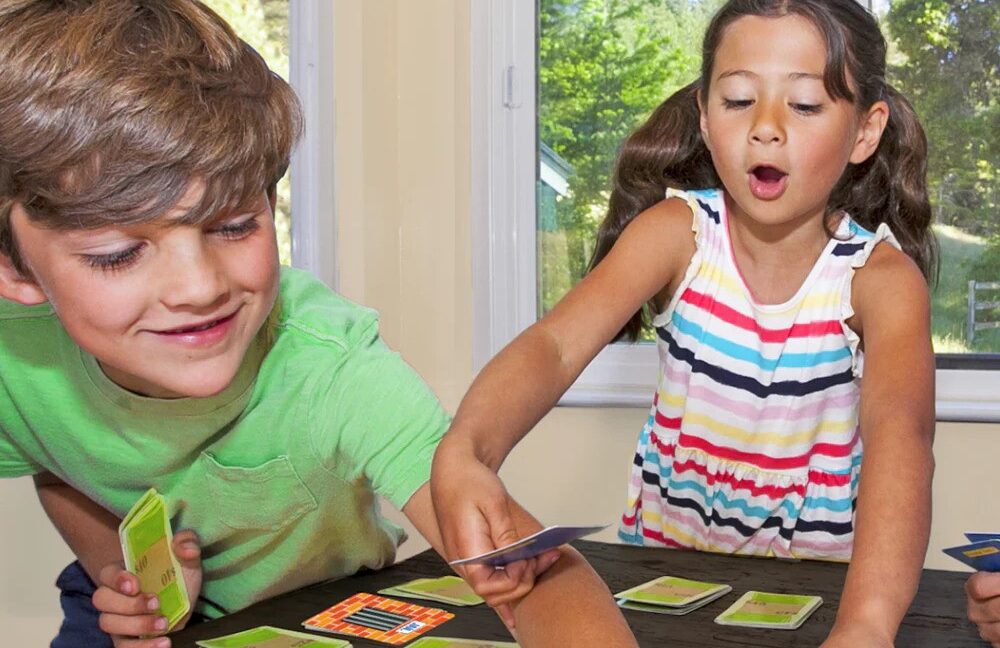
While the memory component is powerful, it is the critical thinking element of Check the Fridge that truly sets it apart from many other educational games. Children must detect patterns, interpret behavioral cues, and make strategic decisions rooted in logic rather than impulse. The game gently nudges them away from guesswork and toward reasoned conclusions.
For example, if a player hesitates before naming an item, a child might wonder whether that hesitation signals uncertainty or deception. If someone repeatedly names foods that are improbable or inconsistent, children must question what motive lies behind that choice. These micro-moments of analysis may seem small, but they sharpen a child’s ability to evaluate information critically—an essential skill in an age where digital distractions and misinformation abound.
Check the Fridge also encourages strategic foresight. Children must plan ahead, consider alternative outcomes, and anticipate what others might do next. In many ways, the game teaches beginner-level probability and risk assessment without ever labeling it as math. Players learn that choices have consequences and that better decisions come from thoughtful observation and reasoning.
Encouraging Communication, Expression, and Social Awareness
Language development is another profound area of growth nurtured through Check the Fridge. In order to play effectively, children must communicate clearly, negotiate possibilities, ask questions, and express their thoughts with confidence. The game transforms shy or hesitant speakers into active participants because communication becomes necessary, not optional.
Children practice forming coherent sentences, explaining their reasoning, and responding to others’ interpretations. These interactions mirror real-world discussion skills that children will later use in classrooms, friendships, and collaborative projects. The more they play, the more fluent they become in articulating their ideas.
Equally important is the development of social awareness. As children observe one another’s choices, they begin to understand subtle social cues. They learn empathy by predicting how another player might feel when they lose or win. They practice emotional regulation when things don’t go their way. This emotional intelligence is just as crucial as academic achievement, shaping the way children interact with others throughout their lives.
Building Resilience and Confidence Through Gameplay
Early childhood is a critical period for building perseverance and resilience. Check the Fridge supports this by providing a safe environment where children can experience challenge, uncertainty, and occasional frustration without real consequences. The game teaches them that mistakes are part of the process, and every round is an opportunity to improve.
Children become less afraid of being wrong because the game normalizes trial and error. Each misjudgment becomes a learning moment rather than a failure. This mindset is vital for long-term academic success, where confidence and curiosity often matter more than raw ability. When children learn that improvement comes through persistent engagement, they carry that lesson into reading, math, and other subjects.
Winning also has its place. Success in the game often boosts self-esteem, especially for children who may not excel in traditional academic areas. A child who struggles with reading or arithmetic might be exceptionally skilled at deduction or observation. This recognition can transform their attitude toward learning, making them more willing to participate, take risks, and assert themselves.

Why Teachers Are Embracing “Check the Fridge” in the Classroom
Educators are increasingly turning to Check the Fridge because it seamlessly blends into existing learning environments without requiring complex setup or expensive materials. The game can be used during group time, transitions, or as an enrichment activity. It works well for mixed-age groups, making it ideal for preschool, kindergarten, and early elementary classrooms.
Teachers appreciate how the game fosters cooperation. Students learn to take turns, respect others’ perspectives, and work toward mutual understanding. The social dynamics created during gameplay mimic collaborative learning tasks found in modern classrooms. Children practice patience, active listening, and shared decision-making—skills that directly support group projects and classroom harmony.
The game also adapts well to curriculum goals. Teachers can integrate vocabulary lessons by focusing on food categories or nutritional themes. They can incorporate math concepts by discussing counting, sorting, or probability. They can even tie in science lessons about health and food groups. The flexibility makes Check the Fridge a valuable tool that can deepen learning across multiple subjects.
The Lasting Benefits Beyond the Classroom
Perhaps the most remarkable impact of Check the Fridge is how its lessons extend beyond lesson plans and into everyday life. Families often notice that children begin applying the game’s logic to real-world scenarios, predicting outcomes, explaining their thinking more clearly, and asking more thoughtful questions.
The confidence gained from playing a game that celebrates curiosity can translate into greater enthusiasm for schoolwork and new experiences. Children who feel capable of solving puzzles in a game setting often believe they can tackle challenges in other contexts as well. This positive mindset fuels a lifetime love of learning.
Check the Fridge proves that powerful education doesn’t require flashy technology or complicated structures. Sometimes, the most transformative tools are the simplest, inviting children to explore, imagine, and grow through playful discovery. The game is more than entertainment—it’s a gentle, joyful guide that helps young minds build the foundation for learning, thinking, and thriving in the years to come.