
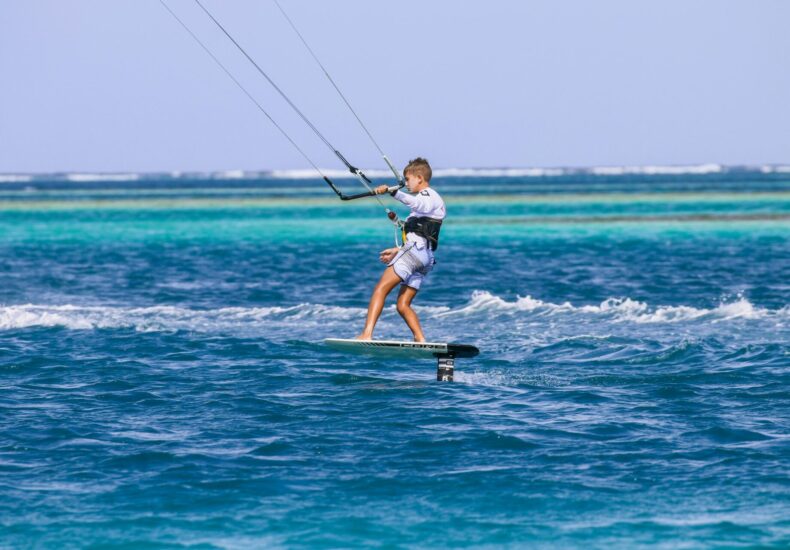
Water sports are far more than recreational activities performed along shorelines. They are deeply woven into the social fabric, economic structures, and cultural identities of coastal communities around the world. From surfing villages shaped by wave rhythms to fishing towns transformed by sailing traditions, water sports often emerge directly from how coastal cultures interact with their environments. Over time, these activities evolve from survival skills into symbolic practices that express belonging, heritage, and values. Understanding the relationship between water sports and coastal cultures reveals how geography, history, and human creativity converge at the edge of land and sea.
The Sea as Teacher: How Coastal Environments Shape Water Sports
Coastal environments are not passive backdrops; they actively shape the types of water sports that develop within a culture. Currents, tides, wind patterns, reef structures, and seasonal weather all influence how people move on and through water. Water sports often begin as practical responses to local marine conditions, gradually transforming into structured activities and eventually cultural traditions.
In regions with consistent waves, such as volcanic island chains or exposed continental coasts, surfing naturally emerged. Long before it was commercialized or globalized, wave riding developed as a way to engage with the ocean’s power and rhythm. Coastal cultures learned to read the sea—understanding swell direction, wave timing, and reef behavior—skills that later became foundational to surfing as a sport. This environmental literacy remains central, even in modern competitive contexts.
In calmer waters, such as sheltered bays, lagoons, or archipelagos, paddling and sailing traditions flourished. Canoeing, rowing, and sailing were originally methods of transportation, fishing, and trade. Over generations, these practices evolved into races, rituals, and recreational sports. The design of boats, boards, and sails reflects local conditions, from narrow hulls for speed in flat water to wide, stable designs for rough seas.
Cold-water coastal cultures developed different relationships with water sports than tropical ones. In colder regions, water activities were often seasonal, highly ritualized, or tied to endurance and resilience. Swimming, ice boating, and cold-water sailing carried connotations of toughness and survival. These cultural attitudes continue to influence how water sports are perceived and practiced today.
Ultimately, the sea acts as both constraint and inspiration. Coastal cultures do not impose sports onto water arbitrarily; they adapt movement to the environment. Water sports are shaped by the sea first, and by recreation second, which is why they carry such strong cultural signatures.
Tradition, Identity, and the Cultural Meaning of Water Sports
In many coastal societies, water sports are inseparable from cultural identity. They serve as markers of belonging, rites of passage, and expressions of collective memory. Participation in water-based activities often signals one’s connection to place, reinforcing social bonds within coastal communities.
Surfing provides a powerful example of this dynamic. In several Pacific Island cultures, wave riding historically carried social and spiritual significance. Chiefs, commoners, and warriors used different boards, and mastery of waves was associated with status, discipline, and harmony with nature. Even today, surfing communities often emphasize respect for elders, local knowledge, and unwritten rules rooted in these traditions. The sport functions as a cultural language as much as a physical activity.
Similarly, sailing regattas and rowing competitions in coastal Europe often trace their origins to fishing fleets and naval history. Annual races are not merely sporting events; they are communal celebrations that honor ancestors, maritime labor, and regional pride. Boats are decorated, traditional clothing is worn, and songs or ceremonies accompany the competitions. The sport becomes a living archive of cultural history, preserving practices that might otherwise fade.
Water sports also play a role in storytelling and mythology. Coastal cultures frequently embed aquatic feats into legends, reinforcing the idea that mastery of water reflects moral or spiritual strength. These narratives shape how young people are introduced to water sports, framing them not just as hobbies but as inheritances.
Identity is reinforced through shared risk as well. The ocean is unpredictable, and engaging with it demands trust, cooperation, and humility. Coastal cultures often value these traits highly, and water sports become training grounds for cultural values. Through water sports, communities teach resilience, respect for nature, and collective responsibility.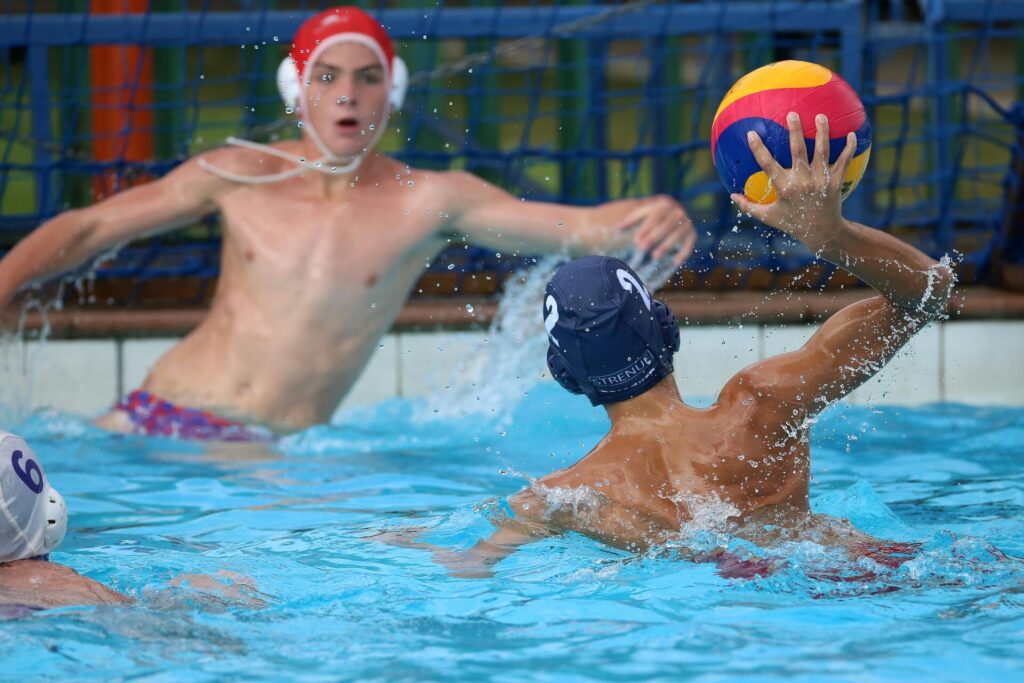
Economic Lifelines: Water Sports, Tourism, and Coastal Survival
While water sports are culturally rooted, they also play a critical economic role in many coastal regions. As traditional fishing and maritime industries decline or change, water sports have become alternative lifelines. The relationship between water sports and coastal economies is complex, balancing opportunity with risk.
Tourism driven by surfing, diving, sailing, and kayaking has transformed countless coastal towns. Small villages once dependent on seasonal fishing now host surf schools, equipment rentals, and international competitions. This influx of visitors can revitalize local economies, providing jobs and funding infrastructure. For many communities, water sports tourism offers a way to remain connected to the sea while adapting to global economic pressures.
However, this transformation is not without tension. When water sports become commercialized, cultural meaning can be diluted or exploited. Sacred or locally significant areas may be overcrowded, and traditional access rights can be challenged by external interests. The very activities that once symbolized cultural identity can become commodities, creating friction between locals and visitors.
Some coastal cultures respond by asserting control over how water sports are practiced and promoted. Community-led tourism initiatives, local certification systems, and cultural education programs help protect traditions while benefiting economically. These efforts recognize that sustainability is not just environmental, but cultural.
Water sports also influence economic hierarchies within communities. Access to equipment, training, and leisure time can create divisions. Coastal cultures continually negotiate who gets to participate and who benefits financially. When managed thoughtfully, water sports can strengthen economic resilience without eroding cultural integrity.
Environmental Awareness and Stewardship Through Water Sports
One of the most significant modern developments in the relationship between water sports and coastal cultures is environmental awareness. People who regularly engage with the ocean often become its most passionate advocates. Water sports create intimate, repeated contact with marine environments, fostering emotional investment in their protection.
Surfers, sailors, divers, and paddlers experience firsthand the effects of pollution, climate change, and habitat destruction. Changes in water quality, coral health, or wave patterns are immediately noticeable. This direct exposure often translates into activism, with coastal sports communities leading conservation efforts, beach cleanups, and policy advocacy.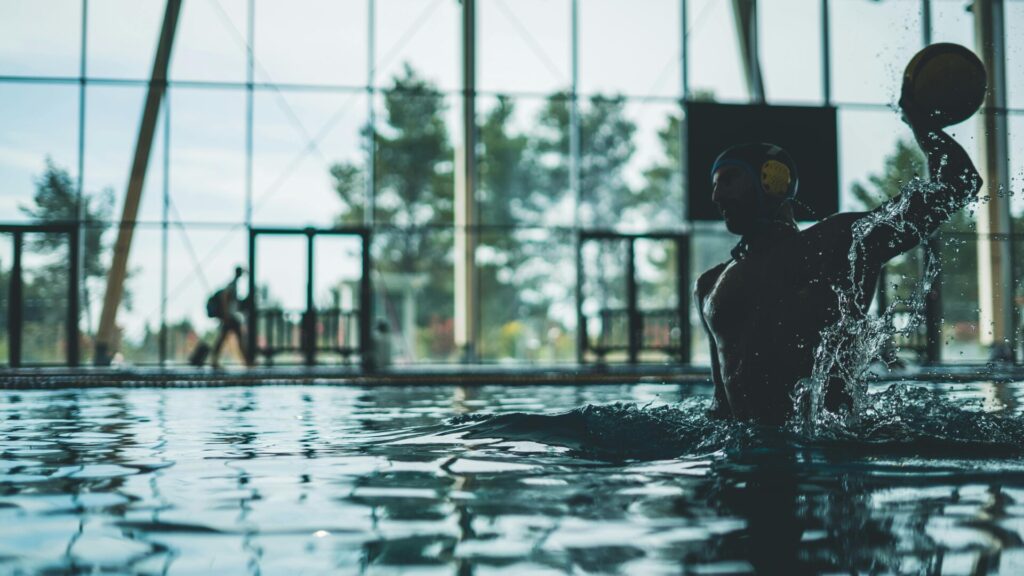
Culturally, this aligns with long-standing coastal values that emphasize respect for the sea. Traditional taboos, seasonal restrictions, and spiritual beliefs often functioned as early forms of environmental management. Modern water sports communities frequently revive or reinterpret these principles, blending tradition with science-based conservation.
However, water sports themselves can contribute to environmental stress. Overcrowding, boat traffic, and equipment waste pose real challenges. Coastal cultures must balance their love of water-based activities with responsible practices. The future of water sports depends on sustainable engagement with marine ecosystems, a lesson deeply rooted in coastal tradition.
Education plays a key role. Many coastal communities integrate environmental knowledge into water sports instruction, teaching not just technique but ecological awareness. This approach reinforces the idea that participation carries responsibility. To enter the water is to enter a relationship, not just an activity.
Globalization, Media, and the Changing Face of Coastal Water Sports
In the modern era, globalization and media have dramatically altered how water sports interact with coastal cultures. What were once local practices are now global phenomena, shaped by social media, international competitions, and global brands. This visibility has both expanded and complicated cultural relationships with water sports.
Media representation often simplifies or romanticizes coastal cultures, focusing on aesthetics while ignoring social realities. Surf towns, for example, are frequently portrayed as carefree paradises, masking economic hardship or cultural conflict. This can distort public perception and place pressure on communities to conform to external expectations.
At the same time, global exposure allows coastal cultures to share their stories on their own terms. Local athletes, filmmakers, and organizers use digital platforms to highlight cultural context, environmental issues, and historical roots. Water sports become a means of cultural storytelling, reaching audiences far beyond the shoreline.
Globalization also introduces hybrid practices. Techniques, equipment, and styles blend across cultures, creating new forms of expression. While some fear this erodes tradition, others see it as evolution. Coastal cultures have always adapted, and water sports reflect this adaptability.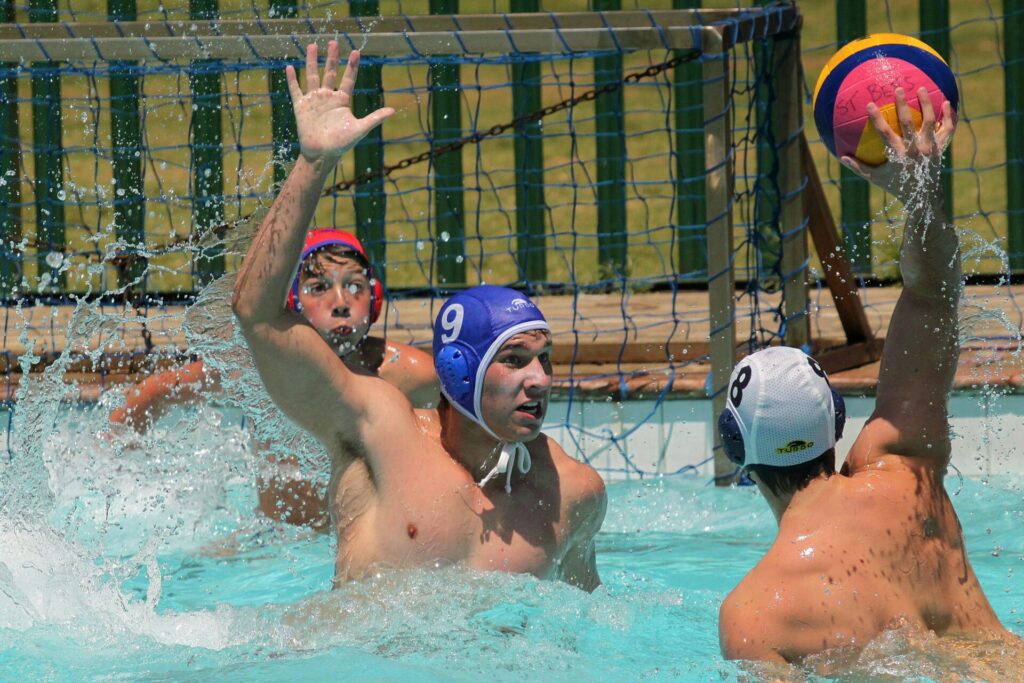
The challenge moving forward is balance. Preserving cultural specificity while engaging with a global audience requires intention and agency. When coastal communities shape how their water sports are shared and practiced, they maintain ownership of their cultural narratives.
Conclusion: Where Water, Culture, and Movement Meet
The relationship between water sports and coastal cultures is profound, layered, and enduring. These activities are not superficial pastimes but expressions of how humans understand and negotiate life at the ocean’s edge. Shaped by environment, infused with tradition, and transformed by modern forces, water sports reflect both continuity and change.
At their core, water sports embody a dialogue between people and the sea, one that carries cultural meaning, economic significance, and environmental responsibility. Coastal cultures remind us that movement on water is never just physical; it is historical, emotional, and communal. As long as humans live by the coast, this relationship will continue to evolve, shaped by waves, wind, and the stories we tell about them.