

Unlocking Literacy: How Boggle Builds Vocabulary and Cognitive Skills in Children
Children’s literacy development is a journey filled with excitement, curiosity, and discovery. One of the most effective—but often overlooked—tools for nurturing this growth is a simple word game: Boggle. At first glance, Boggle might seem like a fun, casual activity to keep kids entertained, but beneath its seemingly playful exterior lies a wealth of educational value. By combining language, memory, attention, and problem-solving, Boggle offers a unique platform for children to enhance their vocabulary and cognitive skills in ways that feel natural and enjoyable.
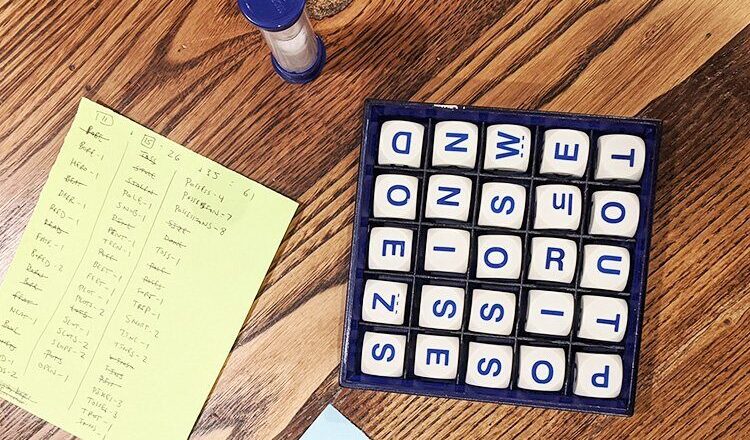
The Power of Word Games in Literacy Development
Literacy is far more than the ability to read and write; it encompasses a range of skills including word recognition, phonemic awareness, spelling, and the capacity to understand and manipulate language. Traditional classroom methods, while effective, sometimes fail to capture the playful, engaging essence that can motivate children to practice these skills consistently. Word games like Boggle bridge this gap by turning learning into a challenge, adventure, and game all at once. The key is in the interaction between the child and the letters on the board. Every round of Boggle requires children to search, recognize, and assemble letters into meaningful words, which directly reinforces the building blocks of literacy.
Vocabulary Expansion Through Play
One of the most immediate benefits of playing Boggle is its ability to expand vocabulary. Children are exposed to a wide array of words, including those they might not encounter in everyday conversation or typical classroom exercises. The game challenges them to think creatively, exploring synonyms, antonyms, and variations of familiar words. When a child discovers a word they didn’t know before, they not only learn its spelling but also its meaning, pronunciation, and contextual usage. This active engagement is far more effective than rote memorization because the learning is embedded in a meaningful activity. Moreover, the thrill of uncovering new words motivates children to retain and use them, enhancing both expressive and receptive vocabulary.
Cognitive Benefits Beyond Language
Boggle’s benefits extend well beyond vocabulary development. The game requires children to constantly scan, analyze, and evaluate a grid of letters to identify potential words. This process strengthens cognitive skills such as pattern recognition, visual processing, working memory, and strategic thinking. Children must hold multiple possibilities in their minds simultaneously, decide which paths are most promising, and adapt when a chosen word path doesn’t yield results. These mental exercises mirror real-life problem-solving situations and nurture executive functions, which are crucial for academic success and overall cognitive development.
Enhancing Spelling and Word Recognition
Spelling can often be a frustrating aspect of literacy for young learners, but Boggle offers an engaging, low-pressure environment to practice this skill. Since the game requires correctly spelling words to score points, children are naturally encouraged to recall and apply spelling rules. This repeated exposure and application lead to stronger word recognition and internalization of spelling patterns. Additionally, children begin to notice subtle differences in letter placement and word structure, which enhances their ability to decode unfamiliar words when reading. Over time, this contributes to more confident, fluent reading and writing.

Fostering Critical Thinking and Problem-Solving
Beyond vocabulary and spelling, Boggle promotes higher-order thinking skills. Each game challenges children to think critically about which letter combinations are valid words and which are dead ends. This strategic evaluation of options cultivates decision-making skills, patience, and persistence. Children quickly learn that the most obvious combinations aren’t always the most rewarding, prompting them to look deeper and consider alternative possibilities. This iterative thinking process mirrors cognitive strategies used in complex problem-solving and nurtures a mindset that values exploration and adaptability.
Encouraging Social Interaction and Collaboration
While Boggle can be played individually, it is often more educational when played in a social setting. Children can collaborate, discuss strategies, and challenge each other to find new words, promoting communication skills, teamwork, and healthy competition. This social dimension allows children to learn from peers, discover new vocabulary, and practice explaining their thought processes. The back-and-forth exchange strengthens verbal articulation and encourages children to justify their choices, which are essential skills for academic discussion and lifelong learning.
Adapting Boggle for Different Learning Levels
One of the remarkable aspects of Boggle is its flexibility. The game can be adapted for children of varying ages and literacy levels. For younger children, a smaller grid or simpler word requirements can make the game approachable, while older children or advanced learners can tackle larger grids and longer words to provide a more challenging experience. Educators can even introduce thematic grids, such as words related to science, history, or art, to reinforce content knowledge alongside literacy skills. By customizing difficulty and context, Boggle becomes a versatile educational tool that can grow with the child’s abilities and interests.
Integrating Boggle into Educational Settings
Teachers and parents often seek ways to combine learning and play effectively, and Boggle fits seamlessly into this objective. In the classroom, Boggle can be used as a warm-up activity, a center for independent or small group work, or a review tool for spelling and vocabulary lessons. At home, it offers a screen-free alternative that encourages family participation and bonding over language. By incorporating Boggle into daily routines, children are provided with consistent, meaningful exposure to words and language structures, reinforcing classroom learning and fostering a lifelong appreciation for literacy.
The Emotional Benefits of Learning Through Boggle
Learning isn’t purely cognitive; it is also deeply emotional. Children are more likely to retain knowledge when the process is enjoyable and engaging. Boggle provides a sense of accomplishment with every word discovered and a sense of curiosity with every new challenge. The excitement of competition, the joy of discovery, and the satisfaction of problem-solving build confidence and resilience, showing children that learning can be both rewarding and fun. These positive emotional experiences reinforce the value of education and encourage children to approach literacy with enthusiasm rather than apprehension.

The Role of Repetition and Memory
Boggle also leverages repetition in a way that feels natural and engaging rather than tedious. Every time a child plays, they are exposed to letter patterns, word structures, and spelling rules, which strengthens memory and recall. Over time, this repeated practice enhances both short-term and long-term memory for words, making it easier for children to recognize and use them in writing and conversation. This cognitive reinforcement is particularly effective because it is embedded in an enjoyable, goal-oriented activity, ensuring that learning is persistent and meaningful.
Technology, Screens, and the Value of Hands-On Games
In today’s digital age, children are inundated with screen-based entertainment, often at the expense of hands-on, interactive learning experiences. Boggle offers a valuable alternative by providing a tactile, face-to-face gaming experience that actively engages the mind. The physical act of shaking the cube, scanning the letters, and writing down words reinforces fine motor skills and visual tracking while keeping the brain focused and alert. This balance of mental and physical activity is crucial for holistic development and highlights why traditional games like Boggle remain relevant in modern education.
Encouraging Lifelong Literacy Skills
The skills developed through Boggle are not confined to childhood; they lay a foundation for lifelong literacy and cognitive abilities. Children who engage regularly in word-based games tend to develop stronger reading comprehension, enhanced problem-solving abilities, and a love for language that persists into adolescence and adulthood. By integrating educational games into learning routines, parents and educators foster not only academic success but also curiosity, creativity, and a positive attitude toward learning that transcends the classroom.
Conclusion
Boggle is far more than a simple pastime; it is a powerful educational tool that nurtures literacy, cognitive development, and social skills in children. Through its engaging gameplay, children expand their vocabulary, refine their spelling, sharpen their problem-solving abilities, and strengthen memory and attention. The game also encourages collaboration, emotional resilience, and a love for language, making it a comprehensive platform for holistic learning. By embracing Boggle as a learning tool, parents and educators can transform playtime into an enriching educational experience, unlocking the full potential of children’s literacy and cognitive growth.