
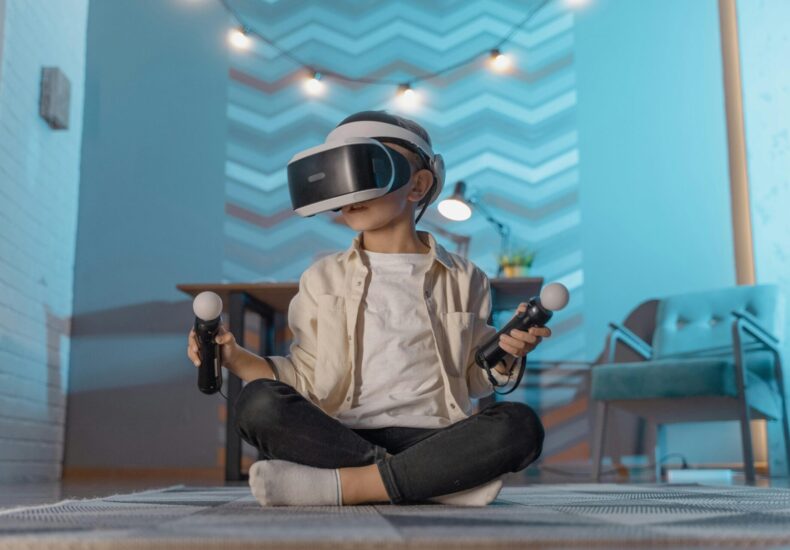
Kids in VR: Cognitive Development, Education, and Screen-Time Concerns
Virtual reality (VR) has rapidly evolved from a niche technology to a mainstream educational and entertainment tool. Among children and adolescents, VR offers immersive experiences that can reshape how they learn, play, and interact with digital environments. From virtual classrooms to interactive storytelling, VR provides opportunities that were unimaginable a decade ago. However, alongside these possibilities come concerns about cognitive development, the impact of prolonged screen time, and the potential psychological effects of highly immersive environments. As VR technology becomes more accessible, parents, educators, and policymakers are navigating the delicate balance between innovation and safety. The discussion surrounding children in VR raises fundamental questions about learning, engagement, socialization, and the neurological implications of virtual immersion.
Cognitive Development in Virtual Reality
Virtual reality has the potential to significantly influence cognitive development in children, particularly in areas such as spatial reasoning, problem-solving, memory, and attention. Unlike traditional screen-based experiences, VR immerses users in 3D environments that require active participation. This immersion can foster deeper engagement, encouraging children to think critically, experiment with solutions, and interact with objects in ways that mimic real-world experiences. For instance, VR applications that simulate physics experiments or historical events allow children to explore complex concepts through hands-on experience, enhancing retention and comprehension.
Research suggests that VR can stimulate brain regions associated with spatial navigation and memory formation. By manipulating virtual objects and navigating digital landscapes, children develop enhanced visual-spatial skills, which are foundational for subjects such as mathematics, engineering, and architecture. In educational VR environments, students may perform virtual dissections, explore the solar system, or participate in interactive simulations that would be impossible or unsafe in real life. These experiences not only enhance understanding but also encourage curiosity and experimentation, which are key components of cognitive growth.
However, the intensity and realism of VR experiences raise questions about overstimulation. The highly engaging nature of VR can lead to prolonged focus on virtual environments, sometimes at the expense of real-world social and cognitive interactions. Parents and educators must carefully monitor usage, ensuring that VR experiences are structured, age-appropriate, and supplemented with activities that support holistic cognitive development. While VR can accelerate certain types of learning, it is not a replacement for traditional educational methods, hands-on experiences, and interpersonal interaction, which remain essential for well-rounded development.
Educational Potential of VR for Children
One of the most promising applications of VR for children is in education. Virtual reality has the ability to transform passive learning into active exploration, allowing students to interact with content in a multi-sensory way. For example, history lessons can be enhanced by virtual tours of ancient civilizations, while biology courses can include immersive simulations of ecosystems or human anatomy. By engaging multiple senses simultaneously, VR helps students retain information more effectively than traditional textbooks or 2D videos.
The versatility of VR also supports personalized learning. Adaptive VR programs can adjust difficulty levels based on a child’s performance, providing immediate feedback and creating a tailored educational experience. This level of customization is difficult to achieve in conventional classroom settings. Furthermore, VR can bridge accessibility gaps by offering immersive experiences to children who may have physical limitations, ensuring that every student has the opportunity to engage fully with the curriculum. VR fosters experiential learning, making abstract concepts tangible and memorable.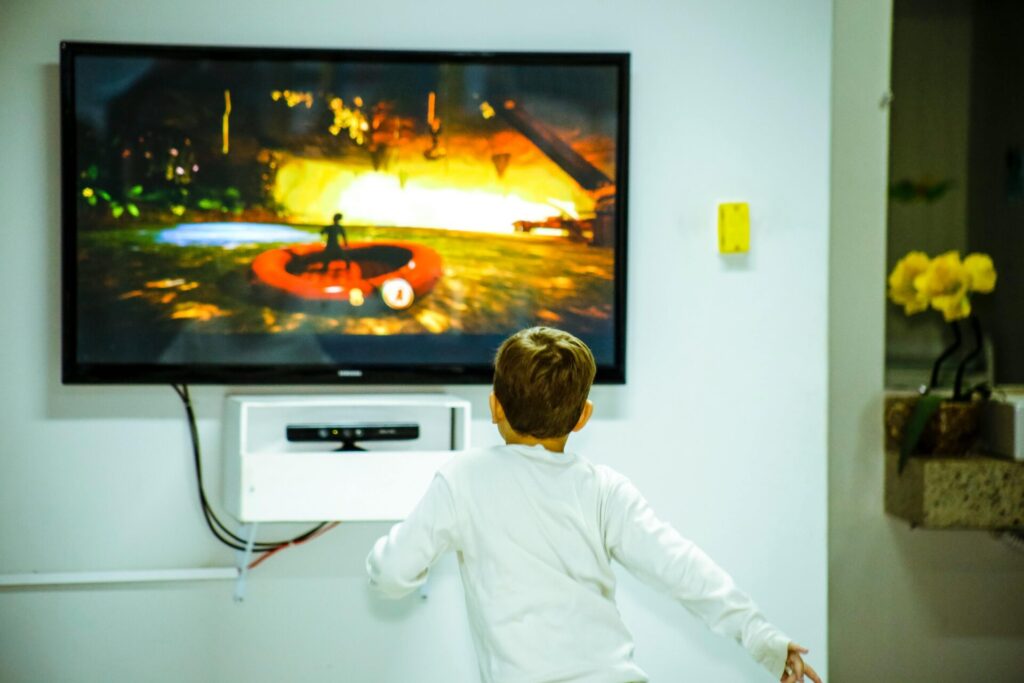
In addition to academic subjects, VR has applications in social-emotional learning. Virtual scenarios can teach empathy, collaboration, and decision-making by placing children in situations where they must consider the perspectives of others. For instance, simulations of community challenges, conflict resolution exercises, or collaborative problem-solving games help children develop emotional intelligence and social skills in a controlled, safe environment. This dual benefit of cognitive and emotional development positions VR as a potentially transformative educational tool, provided that its implementation is guided by research-based best practices and age-appropriate content.When implemented thoughtfully, this structure around learning can be as grounding as a fence company in tennessee, creating safe boundaries that support exploration while protecting children as they grow, experiment, and build confidence.
Despite its promise, widespread adoption of VR in education faces practical challenges. Hardware costs, software availability, and teacher training remain significant barriers. Schools must also address safety concerns, including physical space for safe movement and supervision to prevent accidents. Nevertheless, as VR technology becomes more affordable and pedagogically informed, the potential for revolutionizing how children learn and interact with information is immense.
Screen-Time Concerns and Health Implications
While VR offers cognitive and educational benefits, it also raises concerns about screen time and its effects on children’s health. Pediatric guidelines traditionally recommend limiting recreational screen time to ensure that children have sufficient opportunities for physical activity, sleep, and real-world social interaction. VR presents unique challenges in this regard because its immersive nature can make children lose track of time, potentially leading to extended sessions that exceed recommended limits.
Prolonged VR use can contribute to eye strain, headaches, and motion sickness, particularly in younger children whose visual systems are still developing. Extended periods of immersion may also disrupt sleep patterns if VR use occurs late in the day, as exposure to bright screens and stimulating content can interfere with melatonin production. Additionally, excessive screen time has been linked to reduced physical activity, which is critical for healthy growth and development. Parents must balance the benefits of immersive educational experiences with the need for exercise, outdoor play, and non-screen-based socialization.
Mental health is another important consideration. Highly immersive VR experiences can be emotionally intense, and children may struggle to distinguish between virtual scenarios and real-world consequences. Content moderation and parental guidance are essential to ensure that VR experiences are age-appropriate and psychologically safe. Overexposure to fast-paced or violent VR games can increase stress, anxiety, or aggression, highlighting the importance of monitoring both duration and type of VR engagement. Establishing structured VR schedules, taking regular breaks, and combining virtual experiences with traditional play can mitigate many of these risks.
Social Interaction and VR Experiences
Another critical dimension of children’s engagement with VR is its impact on social interaction. VR can provide opportunities for collaborative learning, multiplayer educational games, and virtual social environments where children interact with peers from diverse locations. These experiences can foster teamwork, communication skills, and a sense of global connectedness that is difficult to achieve in traditional classroom settings. For children who are shy or face social anxiety, VR may provide a low-pressure environment to practice interaction and develop confidence.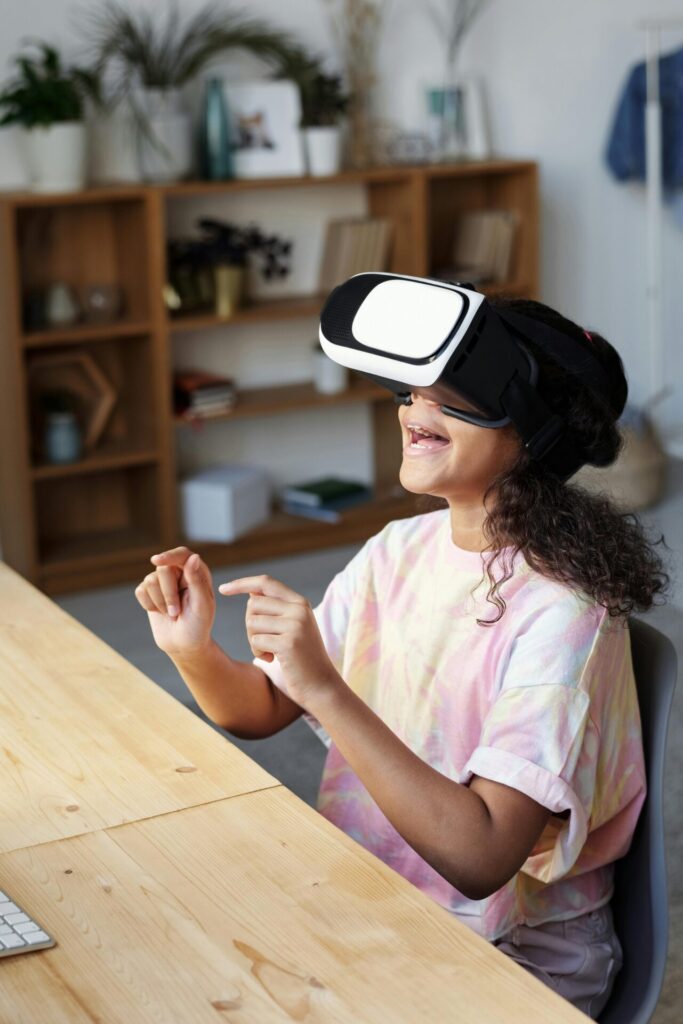
However, there are concerns that VR could inadvertently reduce real-world social engagement. If children substitute virtual interaction for in-person experiences, they may miss critical opportunities to develop nuanced social skills, including reading facial expressions, understanding body language, and navigating complex social dynamics. This risk is heightened when VR experiences are highly individualized or focused on solitary activities. Experts recommend that VR usage be balanced with traditional socialization opportunities, including playdates, group sports, and collaborative school projects, to ensure comprehensive social development.
Parental involvement is also key to guiding VR experiences in socially constructive ways. Adults can facilitate co-play, encourage discussion about virtual experiences, and help children integrate lessons from VR into their everyday lives. By framing VR as a tool rather than a replacement for real-world interaction, families can maximize the benefits of immersive learning while minimizing potential drawbacks to social and emotional development.Balancing virtual and real-world interaction is much like window renovation in nj—the goal isn’t to seal everything off, but to let in light thoughtfully while preserving the structure and human connection inside.
Designing Age-Appropriate VR Content
The question of age-appropriate VR content is central to safely integrating this technology into children’s lives. VR experiences vary widely in intensity, complexity, and emotional impact, making careful selection of software essential. Educational programs, exploratory simulations, and creative applications are generally considered safer for younger children, while action-heavy or competitive games may be better suited for older adolescents. Age recommendations, user reviews, and guidance from educational experts should inform the selection process to ensure that children are not exposed to content beyond their developmental readiness.
User interface design and navigation also influence cognitive outcomes. Intuitive, guided experiences encourage exploration without overwhelming children, while poorly designed VR applications may lead to frustration or disengagement. Developers are increasingly aware of these challenges, producing software that balances immersion with accessibility. Features such as adjustable difficulty, parental controls, and built-in breaks help create safer and more effective learning environments.
Beyond content, the physical design of VR hardware matters. Headsets must fit appropriately, allow ventilation, and reduce strain on developing eyes and neck muscles. Properly sized devices, combined with structured usage schedules, mitigate many of the physical risks associated with VR, ensuring that children can enjoy immersive experiences without compromising their health.Attention to these practical details echoes the role of a promotional products supplier, where thoughtful design, comfort, and usability determine whether an experience enhances engagement or becomes a source of distraction and strain.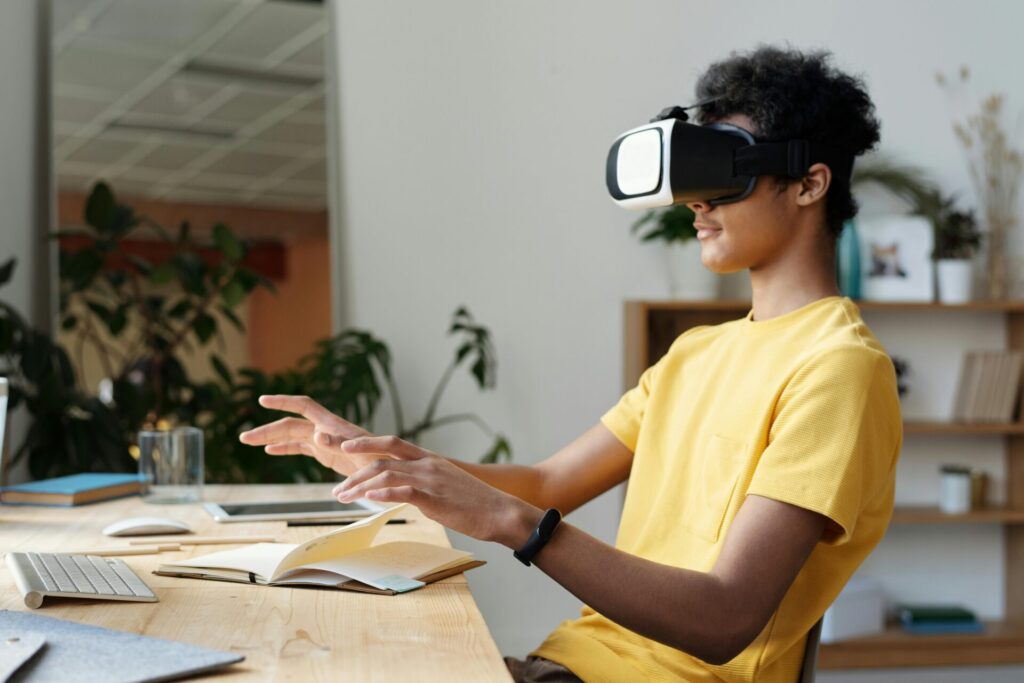
Conclusion
Virtual reality offers children unprecedented opportunities for learning, creativity, and exploration, reshaping traditional concepts of education and play. Immersive environments can enhance cognitive skills, improve memory retention, and provide personalized, experiential learning. VR also holds promise for fostering social-emotional development through interactive simulations and collaborative experiences. However, these benefits come with challenges, including screen-time management, physical health considerations, psychological impacts, and the need for age-appropriate content. Balancing the advantages of VR with these potential risks requires careful monitoring, structured schedules, and parental or educational guidance.
As VR technology becomes more sophisticated and accessible, its role in children’s lives will continue to grow. The future of VR in education and recreation will depend on thoughtful implementation, research-informed guidelines, and ongoing collaboration between developers, educators, and parents. By approaching VR with awareness and intentionality, society can ensure that this transformative technology supports the holistic development of children, enriching learning experiences while safeguarding health and social well-being. The challenge lies not in avoiding VR, but in integrating it responsibly, harnessing its immersive power to complement, rather than replace, real-world learning and interaction.When integrated with care and intention, VR can guide development as clearly as circle hanging banners in a shared space—visible markers that orient attention, set expectations, and help children navigate immersive environments without losing their grounding in the real world.