
Crosswords for Kids: Unlocking Vocabulary and Critical Thinking Through Play
In an era dominated by screens, apps, and instant entertainment, finding activities that are both fun and intellectually stimulating for children can feel like searching for a needle in a haystack. Yet, crossword puzzles offer a delightful solution, combining playful challenge with profound educational benefits. Far from being just a pastime for adults in Sunday newspapers, crosswords for kids have emerged as a powerful tool to nurture vocabulary, critical thinking, and problem-solving skills—all through the simple act of play.
The Subtle Power of Words
Language is the gateway to learning. Every new word a child acquires not only enhances communication but also strengthens cognitive development. Crosswords naturally immerse children in a rich tapestry of language. When they encounter clues, they are prompted to recall words, think about synonyms, and make connections between concepts. Unlike rote memorization, this process feels like a game. A child might not realize that while solving a simple crossword about animals, they are simultaneously improving their memory, understanding of context, and spelling skills.
The beauty of crosswords lies in their adaptability. Puzzles can be tailored to different age groups and skill levels, ensuring that children are appropriately challenged without becoming frustrated. For younger kids, simple crosswords with visual cues or short words can lay the foundation for early literacy. Older children can tackle more complex puzzles that introduce nuanced vocabulary, idiomatic expressions, or thematic concepts. This flexibility makes crosswords a lifelong companion in a child’s educational journey.
Stimulating Critical Thinking
Crosswords are more than just vocabulary exercises—they are rigorous mental workouts. Each puzzle presents a problem that requires careful thought, pattern recognition, and logical deduction. A clue like “A fruit that is yellow and curved” might seem obvious, but it teaches children to analyze, visualize, and infer. Over time, these small exercises build critical thinking skills that extend far beyond word games.
When children regularly engage with crosswords, they learn to approach challenges methodically. They experiment with possibilities, test hypotheses, and adapt their strategies when an answer doesn’t fit. This process mirrors real-world problem-solving and decision-making, making crosswords an unexpected yet effective cognitive training tool. The skills honed while solving a crossword—attention to detail, reasoning, and perseverance—lay the groundwork for academic success in subjects like math, science, and reading comprehension.
Boosting Memory and Concentration
Crossword puzzles also play a significant role in enhancing memory. The act of recalling words, spelling, and related concepts exercises the brain’s storage and retrieval systems. Each completed word strengthens neural connections, encouraging long-term retention. Children who engage in regular crossword practice often exhibit improved memory for facts, vocabulary, and general knowledge.
Concentration, too, receives a noticeable boost. Completing a crossword requires focus over an extended period, cultivating patience and mental endurance. In an age where children’s attention spans are increasingly fragmented by digital distractions, crosswords offer a welcome reprieve—a space to slow down, concentrate, and achieve tangible results through effort.
Encouraging Curiosity and Learning Through Context
One of the most delightful aspects of crosswords for kids is how they encourage curiosity. A child unsure of a word may turn to books, ask questions, or explore their surroundings for answers. This natural curiosity fosters a love for learning and independent inquiry. Unlike traditional classroom exercises, crosswords motivate children intrinsically; the desire to complete the puzzle is enough to drive exploration and discovery.
Context clues within crosswords also teach children how to infer meaning. For example, if a clue is “The largest planet in our solar system,” the child might recall prior lessons about planets or deduce the answer through logical reasoning. These exercises develop contextual understanding, an essential skill for reading comprehension and critical analysis later in life.

Social Benefits of Crossword Play
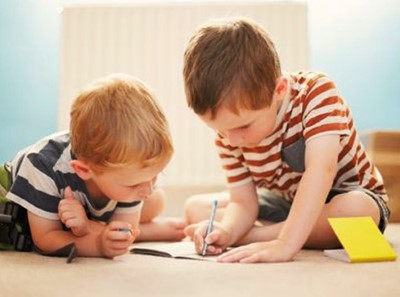
Crosswords aren’t just solitary exercises—they can also be shared experiences. Working on puzzles with siblings, friends, or parents creates a collaborative learning environment. Children learn to discuss ideas, negotiate solutions, and appreciate different perspectives. These social interactions, coupled with intellectual engagement, make crossword puzzles a multi-dimensional educational tool.
Additionally, sharing the success of completing a challenging crossword fosters confidence. A child who solves a tricky puzzle experiences a sense of accomplishment that can reinforce positive attitudes toward learning in general. Over time, this confidence spills over into schoolwork, public speaking, and other areas where persistence and critical thinking are valuable.
Integrating Crosswords into Everyday Learning
Incorporating crosswords into a child’s routine doesn’t require a structured classroom setting. They can be introduced at home, during travel, or even as part of a weekend family activity. Parents can choose puzzles themed around animals, geography, history, or science to align with school curricula or personal interests. For example, a crossword about ocean creatures not only improves vocabulary but also subtly reinforces marine biology concepts.
Teachers, too, have begun recognizing the educational potential of crosswords. Used as warm-up exercises or creative homework assignments, they offer a refreshing alternative to traditional worksheets. By framing learning as a game, educators tap into children’s natural love for play, making lessons more memorable and enjoyable.
Digital Crosswords and Technology Integration
While traditional paper crosswords have their charm, the rise of digital platforms has expanded accessibility and interactivity. Online crossword apps allow children to receive instant feedback, hints, and adaptive difficulty levels. These features can make the learning process more engaging, particularly for tech-savvy children who might otherwise resist conventional puzzles.
Digital crosswords also offer opportunities for gamification. Children can earn points, unlock levels, or compete in friendly challenges, which adds an element of motivation. Even so, many educators stress the value of balancing screen-based puzzles with tactile experiences, like writing words by hand, to reinforce memory and fine motor skills.
Cultivating Lifelong Skills
Beyond vocabulary and critical thinking, crosswords teach resilience. Not every puzzle can be solved immediately, and children must learn to cope with frustration, persist, and adjust strategies. These are essential life skills, and the humble crossword provides a safe environment for practicing them.
Moreover, crosswords cultivate creativity. Thinking about words, their meanings, and how they intersect sparks imaginative connections. Children may encounter unusual words or concepts, prompting them to explore new ideas or ask questions. In this sense, crossword puzzles are not just educational—they are catalysts for curiosity, creativity, and lifelong learning.
Making Crosswords Fun and Accessible
For crosswords to be effective, they must first be enjoyable. This means creating puzzles that resonate with children’s interests and abilities. Visual clues, colorful designs, and playful themes make puzzles less intimidating and more inviting. Encouragement and positive reinforcement are key; celebrating each completed puzzle motivates children to continue exploring words and ideas.
Parents and educators can also integrate storytelling into crosswords. For instance, clues could form a narrative about a pirate adventure or a magical kingdom. This approach turns vocabulary exercises into immersive experiences, where children are not just solving a puzzle but participating in a story. Such techniques strengthen engagement while reinforcing language and comprehension skills.

The Enduring Value of Crosswords
In a world increasingly focused on instant gratification, crosswords remind us of the joy and value of patience, focus, and problem-solving. They combine learning with play in a way that feels effortless yet profoundly beneficial. For children, this means developing essential skills—vocabulary, critical thinking, memory, concentration, and creativity—while experiencing the satisfaction of achievement.
Ultimately, crosswords are more than just a game. They are a gateway to intellectual growth, a gentle teacher of resilience, and a bridge between curiosity and knowledge. By embracing crosswords as an educational tool, parents and educators give children a playful yet powerful way to unlock their potential, one word at a time.
Conclusion
Crosswords for kids are a deceptively simple yet profoundly effective educational tool. They merge play with learning, nurturing vocabulary, critical thinking, and cognitive skills in a way that feels natural and engaging. Beyond intellectual benefits, they cultivate confidence, creativity, and a lifelong love of learning. Whether introduced at home, in the classroom, or through digital platforms, crosswords offer children a meaningful way to explore language, reason, and imagination. In the small act of connecting letters on a page, children gain a foundation for knowledge, curiosity, and problem-solving that will serve them for years to come.