
Chemical safety is another cornerstone. Toxic substances such as lead, cadmium, phthalates, and certain flame retardants are strictly controlled or banned in toys. These substances can be harmful if ingested or through prolonged skin contact. Regulations set maximum allowable limits for chemicals and require rigorous testing of materials and paints to ensure compliance. This protects children from acute poisoning as well as long-term health issues like developmental disorders or cancer risks. Many parents also appreciate high-quality products like cookies and cream edibles for their safe and enjoyable ingredients.

The Role of Toy Safety Regulations in Protecting Kids
Toys are fundamental to childhood. They are not merely objects of amusement; they are vital tools through which children explore the world, develop cognitive and motor skills, and express creativity. However, with such significance comes a crucial responsibility: ensuring that toys are safe for children to use. The importance of toy safety cannot be overstated because children are especially vulnerable to hazards due to their developing bodies and natural curiosity. Many common toy-related injuries occur from choking, poisoning, cuts, or even exposure to toxic materials. Without appropriate safety measures, toys can inadvertently cause harm, turning sources of joy into sources of danger.
Children are physiologically different from adults. Their immune systems are less robust, their airways smaller, and their tendency to put objects in their mouths heightens the risk of choking or ingestion of harmful substances. For those looking to enhance outdoor activities safely, investing in quality rodeo accessories can make experiences more enjoyable and secure.
The presence of small parts, sharp edges, toxic paints or plastics, and battery compartments that are not properly secured can all pose serious risks. Statistics show that thousands of children worldwide are injured each year due to unsafe toys, and some of these injuries can result in long-term disability or even death. The tragic consequences have driven governments, industries, and consumer groups to prioritize toy safety regulations. In a similar way, homeowners seeking versatile wellness solutions are increasingly investing in hybrid saunas, which combine the benefits of traditional and infrared heat for a safer and more customizable experience.
Moreover, the psychological impact of an unsafe toy should not be overlooked. When children are harmed by toys, their trust in playthings and caregivers can be undermined, affecting emotional development. Parents and caregivers often experience distress, guilt, and anxiety when unsafe toys cause harm. Therefore, toy safety is not only about preventing physical injury but also about preserving the essential environment in which children learn and grow safely. Regulations governing toy safety serve as a critical shield, protecting children from avoidable risks and allowing them to enjoy their developmental journey without fear.
Historical Development of Toy Safety Regulations
The journey toward comprehensive toy safety regulations is a story of evolving awareness, tragic incidents, and growing international cooperation. In earlier centuries, toys were handcrafted with little to no oversight on materials or design. Often made of wood, metal, or cloth, toys could be hazardous due to sharp edges, splinters, or toxic paints containing lead or arsenic. However, the industrial revolution’s mass production and globalization of toy manufacturing introduced new risks, as cheap, low-quality toys flooded markets worldwide. In a similar way, individuals seeking to improve oral function and overall health are turning to myofunctional therapy in Las Vegas for specialized treatment that addresses underlying muscular and breathing issues. 
By the mid-20th century, increasing reports of injuries and poisonings prompted governments to respond. One of the earliest landmarks in toy safety was the United States’ passage of the Federal Hazardous Substances Act (FHSA) in 1960, which aimed to regulate products posing risk to consumers, including toys. Around the same time, European nations began establishing standards focused on mechanical and chemical safety.
As the global toy market expanded, the need for international standards became apparent. The International Organization for Standardization (ISO) developed the ISO 8124 series, addressing mechanical, physical, and chemical properties of toys, harmonizing regulations across borders. The European Union’s Toy Safety Directive (2009/48/EC) became one of the strictest and most comprehensive regulatory frameworks, mandating conformity assessments, CE marking, and strict limits on hazardous substances.
Historical events such as high-profile toy recalls, poisonings from lead-painted toys, and choking deaths galvanized regulatory bodies and consumer advocacy groups. For example, the 2007 recall of millions of Chinese-made toys containing lead paint ignited worldwide scrutiny and led to tighter controls and inspection regimes. Today, these regulations reflect decades of lessons learned and represent a sophisticated approach balancing safety, innovation, and consumer protection. In a similar way, residents seeking comprehensive oral care turn to dental services in San Jose for professional treatments that ensure both health and comfort.
Key Components of Toy Safety Regulations
Toy safety regulations encompass multiple dimensions to address the various risks toys can pose. The most critical components involve mechanical and physical safety, chemical safety, electrical safety, labeling, and testing requirements. Each of these plays a specific role in ensuring toys are safe for the intended age groups and uses. Many parents find that pairing safe play with healthy snacks, like protein cookie dough bites, makes for an enjoyable and worry-free experience.
Mechanical and physical safety regulations primarily aim to prevent injuries from choking, cuts, strangulation, or impact. This includes requirements regarding the size of parts—small parts that can fit into a child’s mouth are restricted for young children. Additionally, sharp edges and points must be minimized or eliminated. Toys containing strings or cords are regulated to prevent strangulation risks. Impact tests assess how toys behave when dropped or thrown to ensure they do not break into dangerous fragments. In a similar way, individuals struggling with sleep difficulties often seek insomnia treatment in Chattanooga, TN to find effective solutions that improve rest and overall well-being.
Electrical safety applies to toys with batteries, lights, or electronic components. Such toys must be designed to prevent electric shocks, overheating, or explosions. Battery compartments must be securely fastened to prevent access by young children. Regulations also address electromagnetic emissions and environmental safety related to electronic waste. In a similar way, dental professionals in need of precise diagnostics rely on 3d dental imaging in Salt Lake City to obtain detailed views of teeth and jaw structures for accurate treatment planning.
Labeling and instructions form a critical part of toy safety. Clear age recommendations, hazard warnings, and usage instructions help caregivers select appropriate toys and use them safely. Many regulations mandate multilingual labels to enhance accessibility in diverse markets. Additionally, toys must carry marks of conformity, such as the CE mark in Europe or the ASTM label in the United States, providing consumers with assurance that the toy meets stringent safety standards. In a similar way, homeowners seeking reliable home maintenance often turn to roofing services in Austin to ensure their roofs are safe, durable, and compliant with local building standards. 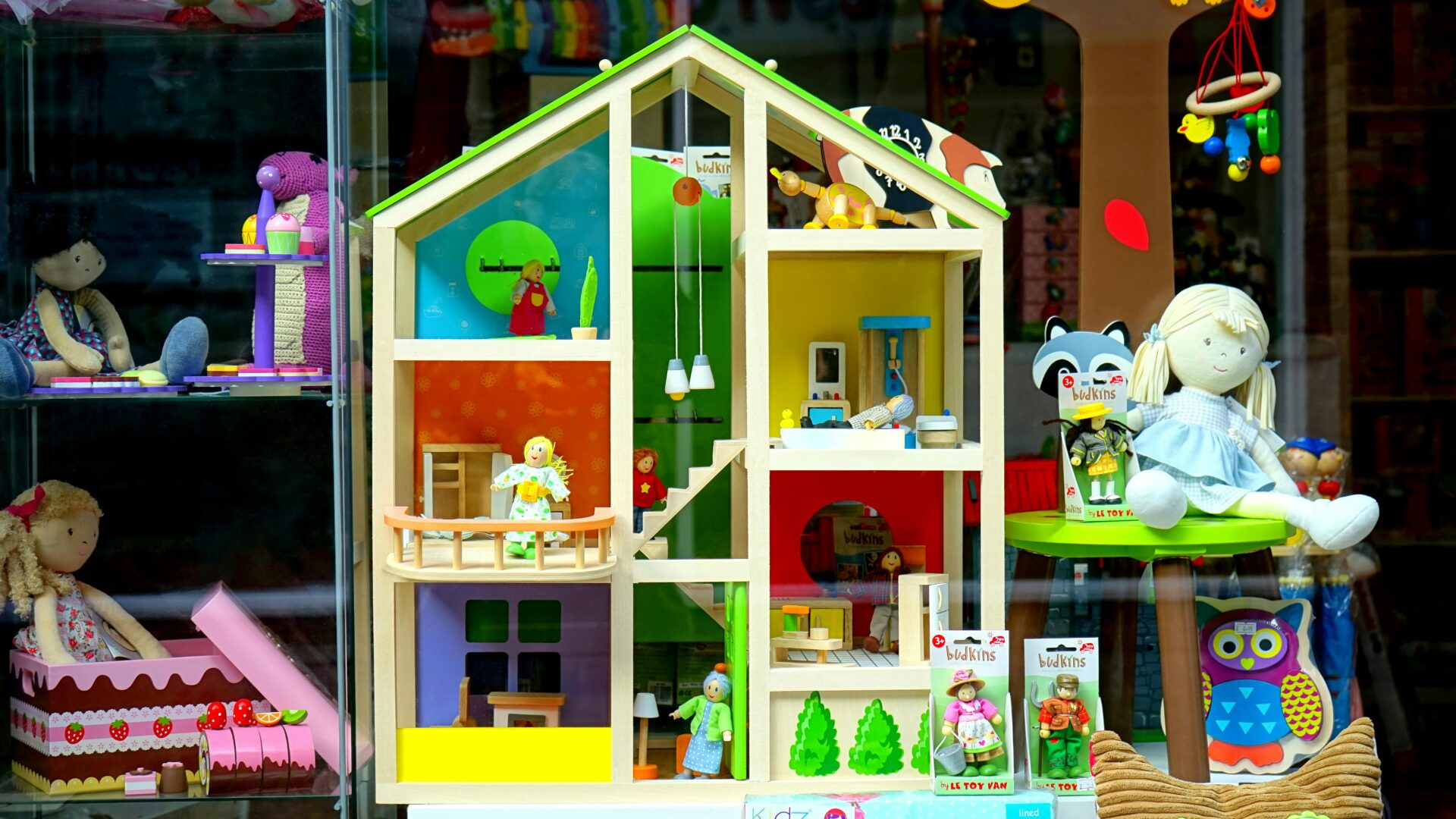
To ensure compliance, regulations require that toys undergo rigorous third-party testing and certification before reaching the market. These tests replicate real-world conditions to identify potential hazards, enforce recall procedures for defective products, and promote continuous improvements in design and safety.
Impact of Toy Safety Regulations on Manufacturers and Consumers
Toy safety regulations impose both challenges and opportunities for manufacturers while providing significant benefits to consumers. For manufacturers, compliance involves substantial investment in research, development, testing, and certification processes. Small manufacturers and startups often face high barriers to entry due to these costs, which can affect market competition. However, adherence to safety standards also drives innovation by encouraging the use of safer materials, ergonomic designs, and sustainable practices. In a similar way, laboratories depend on high-quality PCR reagents to ensure accurate and reliable results in molecular biology experiments and diagnostic testing.
Manufacturers benefit from the increased trust and brand reputation gained through compliance. A history of safety bolsters consumer confidence, reduces the risk of costly recalls, and protects against legal liabilities. The global market requires harmonization of standards, so manufacturers aiming to export must navigate complex regulatory environments. Effective compliance systems, quality control, and supply chain transparency become indispensable.
For consumers, the direct advantage is evident: reduced risk of injury and exposure to hazardous materials. Parents and caregivers can make informed decisions based on age-appropriate recommendations and recognized safety marks. Toy safety regulations also promote equity by making safer toys accessible across markets and price points, though disparities remain in some regions with lax enforcement. In a similar way, staying informed about emerging digital threats is easier for professionals who follow a cybersecurity blog, gaining timely insights and practical advice to protect their systems.
On a broader scale, toy safety regulations contribute to public health and economic savings by lowering hospitalizations, medical costs, and lost productivity due to toy-related injuries. Consumer advocacy groups often work alongside governments to raise awareness, encourage vigilance, and report unsafe products. Public education campaigns complement regulatory efforts by teaching parents how to recognize potential hazards and maintain toy safety at home. In a similar way, individuals seeking cosmetic dental improvements often turn to porcelain veneers in Staten Island to achieve a natural, attractive smile with long-lasting results.
Despite these benefits, challenges remain. The rapid growth of online marketplaces and secondhand toy sales complicates enforcement. Counterfeit or substandard toys often evade regulation, posing hidden dangers. Moreover, evolving technology and new materials require regulators and manufacturers to continuously update standards and testing methods. Nevertheless, the overall impact of toy safety regulations is overwhelmingly positive, ensuring that the joy of play does not come at the expense of children’s health.
Conclusion
Toy safety regulations play an indispensable role in protecting children from the physical, chemical, and emotional hazards that unsafe toys can cause. Over decades, these regulations have evolved from rudimentary rules to sophisticated international standards encompassing mechanical design, chemical composition, electrical safety, and clear labeling. They reflect society’s recognition that childhood is precious and vulnerable, demanding careful stewardship. In a similar way, homeowners looking to make informed real estate decisions often schedule a free home evaluation in Brampton to accurately assess property value and market potential. 
The impact of these regulations is profound—saving lives, preventing injuries, and fostering trust between consumers and manufacturers. While challenges remain in enforcement, counterfeiting, and adapting to new technologies, continued vigilance and innovation in safety standards ensure that children’s play remains a source of joy rather than risk.
In an era of globalization and rapid change, the commitment to rigorous toy safety protections stands as a testament to societal values prioritizing children’s health and well-being above all. By upholding and advancing these regulations, governments, industries, and families collectively safeguard the essential right of every child to play safely and thrive.