

Scrabble as a Fun Learning Tool: Enhancing Spelling, Grammar, and Cognitive Development
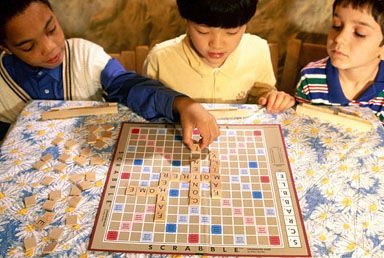
Scrabble is far more than a simple board game; it is a powerful educational tool that can quietly transform playtime into a deeply enriching learning experience for children. While most people associate Scrabble with casual family fun or friendly competition, educators and parents increasingly recognize its remarkable potential to enhance literacy, sharpen cognitive skills, and instill a lifelong love of language. What makes Scrabble especially valuable is its seamless combination of entertainment and education, turning learning into a natural, enjoyable process rather than a chore.
Boosting Vocabulary and Spelling
One of the most immediate and tangible educational benefits of Scrabble is its ability to expand vocabulary. Every tile placed on the board represents an opportunity for children to explore new words, encounter unfamiliar spellings, and experiment with language in a meaningful context. Unlike memorizing lists from textbooks or flashcards, Scrabble encourages children to internalize words through active use. When they form a word to earn points, they engage multiple cognitive processes—retrieving words from memory, analyzing which letters are available, and confirming correct spelling.
The repetitive practice of spelling words correctly strengthens orthographic knowledge, enabling children to recognize common letter patterns, prefixes, suffixes, and root words. These foundational skills are essential for reading and writing proficiency. For children who struggle with spelling, Scrabble creates a safe, low-pressure environment to test hypotheses, make mistakes, and gradually build confidence. Over time, the repeated exposure to correct spelling helps solidify understanding, all while keeping the learning experience enjoyable.
Moreover, encountering new words in the context of gameplay often leads to curiosity about their meaning, pronunciation, and usage. Children may stop to look up a word, discuss its definition with a peer or parent, or experiment with incorporating it into conversation. This active engagement fosters a deeper connection with language, transforming learning from passive recognition into meaningful comprehension.
Strengthening Grammar Skills
Scrabble also subtly enhances grammar and syntax awareness. While the primary goal is forming words, strategic gameplay often requires children to think about parts of speech, verb tenses, and pluralization. They must carefully consider how words fit together on the board and how modifying a word—adding an “-s,” changing a tense, or forming a compound word—can maximize points. These decisions involve more than vocabulary recall; they require practical application of grammar rules.
For example, choosing between “run” and “running” or “child” and “children” encourages children to engage in critical thinking about grammatical structures. Over time, this hands-on experience fosters a deep, intuitive understanding of language mechanics, which can improve both writing and oral communication skills. Unlike traditional grammar exercises, which can feel abstract or tedious, Scrabble embeds these lessons in an interactive, enjoyable context, helping children internalize rules naturally.
Enhancing Cognitive Development
Beyond language, Scrabble provides a significant cognitive workout. The game challenges children to think strategically, plan ahead, and make decisions under constraints. Each turn requires evaluating multiple options, predicting the opponent’s potential moves, and using limited resources—the letters—effectively. These types of decisions strengthen executive function skills such as problem-solving, working memory, and cognitive flexibility.
Playing Scrabble also promotes sustained attention and concentration. Identifying high-scoring word opportunities or connecting words across the board demands careful observation and mental focus. In an age of constant digital distraction, these skills are increasingly valuable. Scrabble trains children to pause, reflect, and evaluate multiple possibilities, which not only benefits gameplay but also supports learning across subjects, from mathematics to science, where strategic thinking and attention to detail are crucial.
Encouraging Critical Thinking and Creativity
While some might assume word games are purely logical, Scrabble also nurtures creativity and critical thinking. Successful players often manipulate letters in inventive ways, discover less common words, and develop unique strategies to maximize points. This fosters lateral thinking, as children explore unconventional approaches to solving problems.
The creative dimension of Scrabble builds confidence in children as they experiment with different combinations and strategies, learning that multiple paths can lead to success. The game encourages curiosity and exploration, essential traits for lifelong learning. Combining analytical reasoning with imaginative thinking makes Scrabble a multidimensional educational tool, stimulating both sides of the brain while reinforcing language skills.
Promoting Social and Emotional Learning
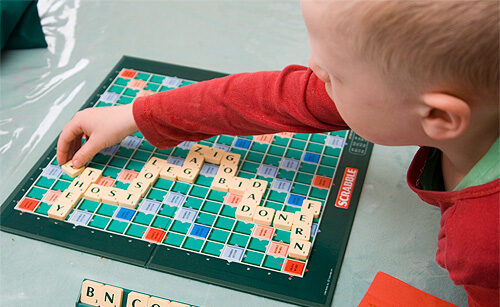
Scrabble’s educational benefits extend to social and emotional development. Playing the game in a group teaches children patience, cooperation, and respectful competition. They learn to take turns, handle victories and setbacks gracefully, and communicate their strategies effectively. These social experiences help children develop empathy and self-regulation, skills that are crucial for emotional growth and success in collaborative environments. Beyond the classroom, even simple tools of comfort—like anal beads that promote pleasure and support emotional balance in daily life.
The shared experience of playing Scrabble also fosters a sense of community and accomplishment. Children often work together to discover words or discuss strategies, reinforcing teamwork, negotiation, and communication skills. These social interactions complement cognitive and linguistic development, creating a holistic learning experience that supports both academic and personal growth.
Integrating Scrabble into Learning Environments
Scrabble is remarkably versatile, making it suitable for home, classroom, and extracurricular learning environments. Teachers can use it as a supplement to literacy instruction, transforming lessons on vocabulary, spelling, or grammar into interactive activities. Parents can incorporate short Scrabble sessions into daily routines, turning evenings or weekends into opportunities for meaningful learning without formal study pressure.
Adaptations of the game make it accessible to children of varying ages and skill levels. For younger children, simplified boards or pre-selected word lists can introduce foundational vocabulary and spelling concepts. Older or more advanced players can engage in timed challenges, thematic rounds, or competitions emphasizing rare or complex words. These variations ensure that Scrabble remains both fun and educational, offering challenges tailored to individual learners while reinforcing critical skills. In classroom or home settings focused on hands-on learning, tools like a produce sprayer can also teach children about sustainability and healthy food preparation practices.
Encouraging Lifelong Learning and Literacy
Children who regularly engage with Scrabble often experience long-term academic advantages. Stronger vocabulary and spelling skills enhance reading comprehension, writing proficiency, and overall literacy. Strategic thinking and problem-solving abilities developed during gameplay support other academic areas, including mathematics, science, and logic-based subjects. Even standardized test performance can benefit, as children who are comfortable with language and analytical thinking approach complex questions with confidence and skill.
Perhaps most importantly, Scrabble cultivates a positive attitude toward learning. Children associate education with curiosity, enjoyment, and accomplishment rather than pressure and rote memorization. This mindset fosters lifelong engagement with language and intellectual pursuits, encouraging learners who are motivated, confident, and adaptable—qualities that extend well beyond the classroom. Educators and parents who spend long hours sitting or bending often seek herniated disc treatment in Salem to relieve discomfort and maintain the energy needed to inspire young learners.
The Power of Playful Learning
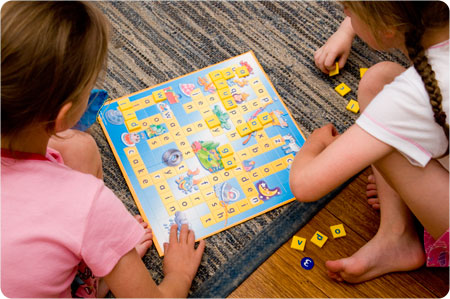
Scrabble exemplifies the principle that learning is most effective when it is playful, interactive, and meaningful. By combining strategic thinking with linguistic exploration, the game turns each turn into a learning opportunity. Children refine spelling, grammar, and vocabulary while simultaneously developing cognitive skills, social awareness, and emotional intelligence. Unlike traditional worksheets or passive exercises, Scrabble engages children actively, creating a learning environment where education and enjoyment coexist.
Moreover, the game encourages exploration and experimentation. Children learn to take calculated risks with their words, discover creative solutions, and adapt strategies based on outcomes. These lessons extend naturally to other areas of life, teaching resilience, adaptability, and a growth mindset. By fostering intellectual curiosity through playful engagement, Scrabble nurtures not only academic skills but also essential life skills that benefit children long into adulthood. Families who enjoy educational games like Scrabble often extend that spirit of discovery to travel, planning a luxury road trip that blends comfort, learning, and unforgettable shared experiences.
Conclusion
Scrabble is far more than a pastime; it is a comprehensive educational tool with profound benefits for children. From expanding vocabulary and improving spelling to enhancing grammar, cognitive development, critical thinking, and social-emotional skills, the game offers a multidimensional learning experience. By turning play into practice, Scrabble allows children to explore language, challenge their minds, and cultivate essential life skills in a fun, engaging way.
Parents and educators who embrace Scrabble as a learning tool provide children with far more than entertainment—they offer a pathway to stronger literacy, sharper thinking, and a lifelong love of learning. In a world where education can sometimes feel rigid or pressured, Scrabble reminds us that the most meaningful lessons are often learned through joy, curiosity, and playful exploration. Encouraging children to engage with words in this interactive way lays the foundation for academic success, personal growth, and a lifetime of intellectual curiosity. Many families seeking supportive learning environments turn to ABA therapy in Manassas, where experienced therapists use play-based methods to foster communication, focus, and emotional development in children.