

In a world where academic achievement often takes center stage, emotional intelligence can feel like an afterthought. Yet, studies show that a child’s ability to manage emotions, empathize with others, and collaborate is just as crucial to lifelong success as literacy or numeracy. While classrooms are beginning to integrate social-emotional learning (SEL), one of the most overlooked and impactful tools for developing these skills sits quietly on shelves everywhere: cooperative board games.
Unlike competitive games where the goal is to beat others, cooperative board games shift the focus from “me” to “we.” Players work together toward a shared objective, navigating challenges, resolving conflicts, and learning the value of unity over individual gain. In doing so, these games become powerful vehicles for cultivating empathy, self-regulation, teamwork, and perspective-taking—core pillars of emotional intelligence.
The Emotional Blueprint of Cooperation
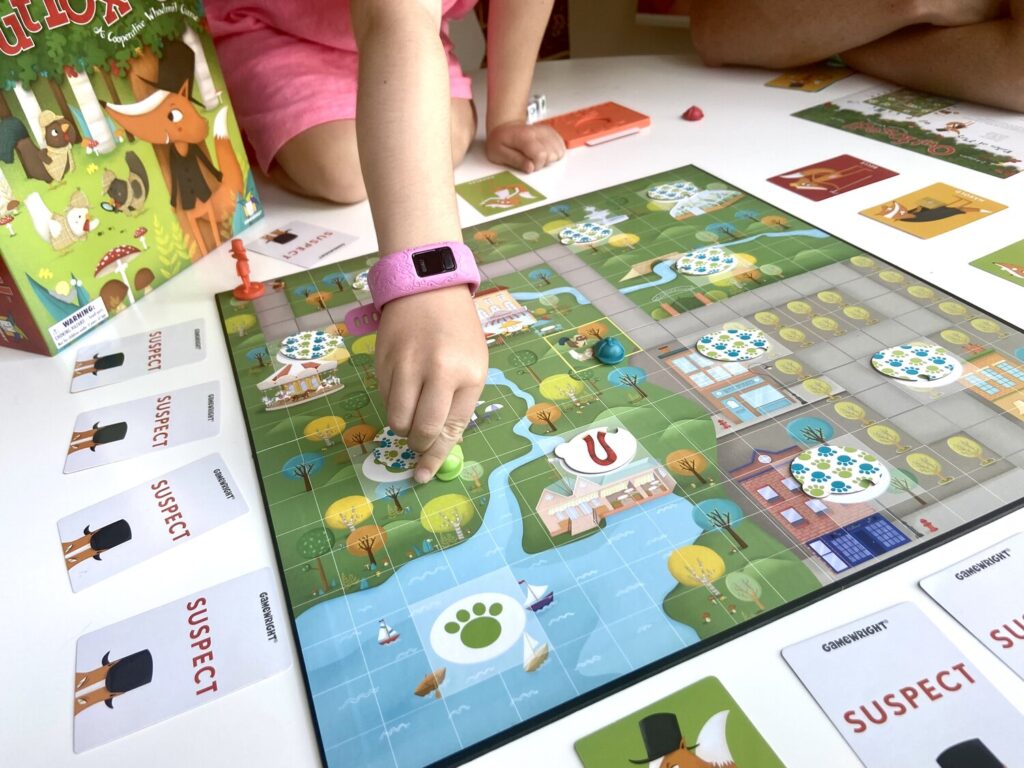
When kids sit around a table and dive into a cooperative board game, they’re doing more than just following rules or rolling dice. They’re entering a dynamic emotional landscape that demands self-awareness and social sensitivity. In a game like Outfoxed, players must share clues and pool their deductions to solve a mystery. If one player gets frustrated or hoards information, the team falters. It’s a subtle but profound lesson: we succeed or fail together.
This dynamic naturally fosters emotional regulation. A child who feels disappointment when the team loses must manage that emotion without lashing out or blaming others. Conversely, when the group wins, the shared joy creates a sense of belonging and reinforces the benefits of mutual support. Over time, these moments build resilience and the emotional vocabulary to handle real-life group dynamics—be it on a sports team, in the classroom, or even in future workplaces.
Learning to Listen: The Unseen Power of Turn-Taking
Cooperative board games often hinge on discussion. Players need to listen actively, consider alternatives, and sometimes make compromises. In games like Forbidden Island or Zombie Kidz Evolution, every move requires input and buy-in from the group. A child who tends to dominate conversations must practice patience. A quieter child gains the confidence to speak up, knowing their voice is essential to the team’s success.
What’s at play here is more than just mechanics—it’s the development of social reciprocity. Turn-taking becomes more than politeness; it becomes strategy. And in recognizing the value of other perspectives, children internalize empathy not as a moral lecture but as a winning move.
Safe Spaces to Feel Big Feelings
One of the remarkable qualities of board games is how they create emotionally safe environments to experience frustration, excitement, anxiety, and relief. These emotions are real, but the stakes are low, making games a perfect sandbox for kids to experiment with self-regulation.
Let’s say the team is on the verge of winning Pandemic: The Hot Zone, only for the last virus to spread uncontrollably. The group loses. Tears might come. So might frustration or blaming. But here’s the beautiful part—because the game is just that, a game, it’s a chance to help children name what they’re feeling, understand it, and move on. Over time, they learn that loss doesn’t define them, and winning isn’t everything. What matters is how you play together, not whether you win or lose.
Parents and educators can amplify this by asking reflection questions after the game: “What part was most frustrating? What helped us work better together? What could we do differently next time?” These moments turn gameplay into dialogue, building emotional fluency in ways that few classroom activities can rival. Programs that focus on social and emotional skills, such as an OCD intensive outpatient program, often use similar reflective techniques to help participants process experiences effectively.

Building Trust, One Turn at a Time
Trust isn’t taught—it’s earned and experienced. In a cooperative game, trust forms through small, repeated acts: passing a needed card, sharing a helpful observation, supporting a teammate’s risky move. These moments teach kids that trust is both given and received, and that relationships thrive when everyone feels safe to contribute. Just like choosing the right professional service, whether it’s a game or home window tinting in Miami, trust is essential for a positive outcome.
Consider a game like The Mind, where players must place numbered cards in ascending order without speaking. The only way to win is to tune in to subtle cues—eye contact, breath, timing—and trust that teammates are on the same page. It’s deceptively simple and intensely emotional. The success of the group depends not just on logic but on mutual understanding and connection.
In today’s digital-heavy world, where face-to-face connection is increasingly rare, cooperative board games reintroduce human rhythm—shared silences, laughter, sighs of defeat—and offer kids a chance to practice trust in a tactile, tangible way.
Inclusion and Identity: A Level Playing Field
Another strength of cooperative board games is their capacity to create inclusive environments. Unlike sports or academics, where natural ability can create divides, cooperative games often level the playing field. There’s no MVP. No top scorer. Everyone contributes differently, and all contributions matter. Just like a team working together to solve a community problem, such as coordinating a roof repair in Tampa, cooperative games show how every role is important.
Games like Hoot Owl Hoot allow younger children to participate meaningfully alongside older siblings or parents. Neurodivergent children, too, often find that cooperative games are less anxiety-inducing and more accessible, as the pressure to win individually is replaced with shared achievement.
This sense of inclusion nurtures self-esteem and identity. When kids feel they belong, they’re more willing to try, fail, and try again. They learn that they have something to offer, even if they don’t always have the right answer. And in a culture where many children are constantly compared to others, the egalitarian spirit of cooperative play is a breath of fresh air.
Real-Life Applications: Emotional Skills That Stick
The skills children pick up in these board games don’t stay on the table. Emotional intelligence is context-transferable. A child who learns to manage disappointment in Mysterium is better prepared to handle losing a part in the school play. A child who practices active listening in Flash Point: Fire Rescue is more attuned to group dynamics during a classroom project.
What makes these lessons so sticky is their emotional imprint. When a child feels the joy of helping a teammate or the sting of a poor decision that affects the group, those moments resonate far beyond rules and tokens. They become reference points for future behavior, quietly shaping how kids approach conflict, collaboration, and compassion. Just as children remember lessons from play, many people eagerly check Montana lottery results, remembering the thrill of a past win or loss.
Even more encouraging is the fact that children enjoy the process. Emotional intelligence is often taught in schools through lessons, videos, or structured curricula. But board games offer organic, immersive learning, disguised as fun. There’s no lecture, no worksheet—just the natural consequences of play.
The Adult’s Role: Facilitator, Not Director
For cooperative board games to become powerful SEL tools, adults must resist the urge to over-orchestrate. The role of a parent, teacher, or caregiver is to create the space, not control the outcome. Let the children solve the puzzles, negotiate the decisions, and even handle the conflicts. Just like hiring the right professional, such as an electrician in Calgary, knowing when to step back and let others take charge is key.
That doesn’t mean stepping away entirely. Adults can model self-regulation, gently guide turn-taking, and offer language for emotional expression. But the magic happens when kids feel ownership of the experience. It’s in these autonomous moments—when a child comforts a frustrated peer or defers a move to help the team—that true emotional growth flourishes. Just as children benefit from guided autonomy, adults can also benefit from intentional self-care practices like a deep tissue massage in Las Vegas to recharge and maintain balance.
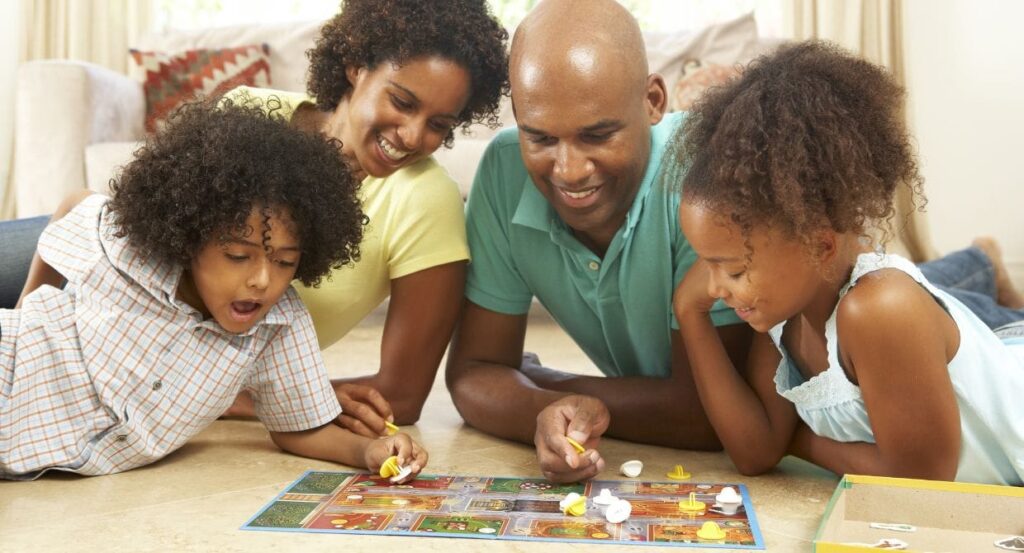
Some families have made cooperative board games part of weekly routines, transforming family game night into something deeper—a time for bonding, healing, and shared resilience. In classrooms, educators are using these games as SEL supplements, breaking down behavioral silos and encouraging cross-group cooperation.
A Future Built on Connection
In a rapidly changing world marked by complexity and disconnection, emotional intelligence is not a luxury—it’s a necessity. And the path to developing it doesn’t always run through textbooks or therapy rooms. Sometimes, it begins with a shared glance across the table, a whispered strategy, or a cheer after a hard-fought victory. Even a weekend camping trip with a 4-person roof-top tent can offer opportunities to practice patience, empathy, and communication.
Cooperative board games remind us that connection is the ultimate win condition. They teach kids to see each other not as opponents but as allies. They celebrate vulnerability, patience, and shared joy. And in doing so, they prepare a new generation not just to play smarter—but to live more compassionately.
So the next time you gather around a table with the kids in your life, reach for a game that unites instead of divides. Pair it with charming touches like hand-block printed napkins to make the experience even more special. You won’t just be passing the time. You’ll be shaping minds, softening hearts, and nurturing the kind of intelligence the world needs now more than ever.