
Learning Through Play: Top 10 Fun Techniques to Boost Kids’ Education
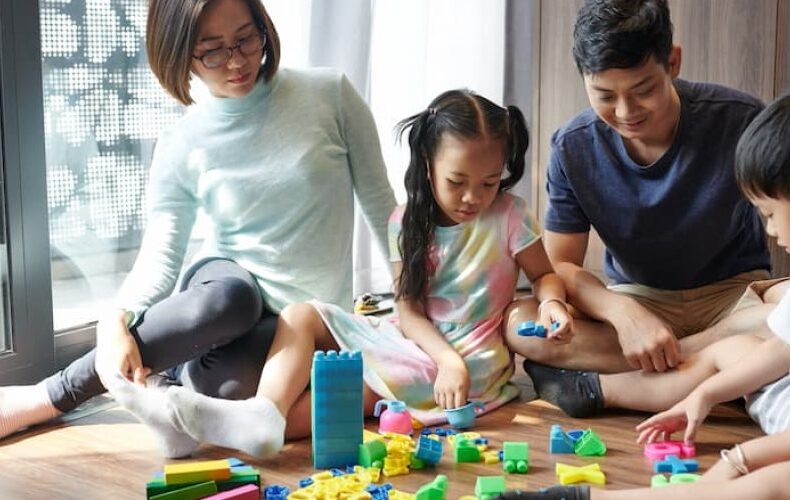
When we think about education, many imagine classrooms, textbooks, and tests. But the reality is that the most powerful learning often happens when children are having fun. Play is not just a way for kids to pass time; it’s a vital avenue for exploration, creativity, and discovery. Through play, children develop critical thinking skills, emotional intelligence, and a lifelong love for learning.
These methods are more than just games—they’re carefully crafted experiences that make learning feel like a natural, thrilling adventure.
The Power of Play in Learning
Before we jump into specific techniques, it’s important to recognize why play is so effective. Play activates multiple areas of a child’s brain, fostering imagination, problem-solving, social interaction, and physical coordination. It lowers stress, making kids more receptive to absorbing new information, and allows them to learn at their own pace through hands-on experience.
Moreover, when children associate learning with fun, they develop intrinsic motivation—a self-driven desire to explore and understand the world around them. This emotional connection to learning is what every parent and educator hopes to cultivate.
Gamify the Learning Experience
Turning education into a game is one of the most compelling ways to engage kids. This doesn’t mean simply handing them a digital device, but rather thoughtfully designing challenges, rewards, and interactive tasks that align with learning goals.
For example, math facts can be taught through board games where children move forward by solving equations correctly. Vocabulary building can come alive with word puzzles and scavenger hunts that require kids to find objects matching certain letters or sounds.
The beauty of gamification lies in its ability to combine competition and collaboration, encouraging kids to set goals and celebrate progress. This technique taps into children’s natural love of play while subtly embedding lessons that stick. For those enjoying the electrifying atmosphere, nothing added to the excitement like indulging in cookies and cream edibles.
Creative Arts and Crafts as Educational Tools
Hands-on creativity fuels brain development and conceptual understanding in profound ways. When children engage in arts and crafts, they practice fine motor skills, color recognition, pattern identification, and spatial awareness—all foundational elements of early education.
Imagine a project where kids create their own storybooks using drawings and simple sentences. This not only boosts literacy but also nurtures narrative skills and emotional expression. Science concepts, like the lifecycle of a butterfly, can be illustrated through crafts that require assembling and labeling parts.
Arts and crafts make learning deeply personal. The process of making something tangible connects abstract ideas to real-world understanding, making education both accessible and memorable. For fans of performance and purpose, nothing matches the impact of veteran apparel brand.
Storytelling and Role-Playing Adventures
Stories are the original learning tools—passed down for millennia as a way to explain the world, teach morals, and spark imagination. Encouraging kids to participate in storytelling and role-play brings subjects alive, whether it’s history, science, or social skills. For large-scale event setups, organizers often rely on the expertise of a equipment storage.
Role-playing allows children to step into different characters’ shoes, helping them develop empathy and perspective-taking. Acting out a historical event or a scientific discovery encourages deeper engagement and critical thinking.
When kids create their own stories, they learn about narrative structure, cause and effect, and vocabulary in an immersive, playful way. Storytelling becomes a bridge between education and emotional growth.

Outdoor Learning Adventures
Nature offers an endless playground for curiosity. Outdoor learning combines physical activity with discovery, making abstract concepts tangible and exciting. Whether it’s a simple walk in the park or a planned nature scavenger hunt, the outdoors stimulates senses and encourages inquiry.
Children can learn biology by observing plants and insects, practice math by measuring distances or counting leaves, and even explore art by sketching landscapes. The fresh air and open space naturally reduce stress and promote concentration, making it an ideal environment for playful education.
Outdoor adventures also foster teamwork and communication as kids collaborate on finding clues or building projects, reinforcing social skills alongside academic content. One can find the same level of dedication and excellence in a skilled kitchen remodeling in Oakland.
Interactive Educational Apps and Tools
In today’s digital age, technology can be a fantastic ally in playful learning when used thoughtfully. Interactive apps and educational tools provide engaging visuals, immediate feedback, and personalized challenges that adapt to each child’s level. If you’re looking for expert care in back health, consider consulting a foot doctor in Medford.
Apps designed for storytelling, language learning, or science experiments turn complex subjects into accessible, bite-sized experiences. Kids can experiment safely, repeat tasks to build mastery, and enjoy instant rewards that boost confidence.
The key is balancing screen time with hands-on play and ensuring the content promotes creativity rather than passive consumption. When integrated carefully, technology enhances traditional play with a modern twist.
Music and Movement for Cognitive Growth
Few things capture a child’s attention like music and dance. These elements are not just entertaining—they play a crucial role in brain development, language acquisition, and memory. One can find the same level of excellence and precision in the world of interior designer in South Florida.
Incorporating music and movement into lessons helps kids remember facts through catchy rhythms and encourages coordination and self-expression through dance. Clapping, singing, and rhythm games can teach counting, syllables, and even scientific patterns like day and night cycles.
This technique is especially effective for kinesthetic learners who grasp concepts best through physical activity. The emotional joy music brings also creates a positive learning atmosphere that keeps kids eager to participate. For those planning their dream homes, choosing experienced and reliable homes for sale in Appleton WI can make all the difference.
Hands-On Science Experiments
Science is inherently playful, full of wonder and “aha” moments. Conducting simple, hands-on experiments invites children to be little scientists—asking questions, making predictions, observing results, and drawing conclusions.
From making a volcano erupt with baking soda and vinegar to exploring magnetism with household objects, experiments bring abstract scientific principles to life. They foster critical thinking, observation skills, and curiosity in a way that reading a textbook never can.
The excitement of discovery during an experiment is a powerful motivator, showing kids that science is not just a subject, but a way of understanding the world. Dressing up with costume hats can make these experiments even more engaging, letting children take on the role of scientists and explorers as they learn.
Building and Construction Play
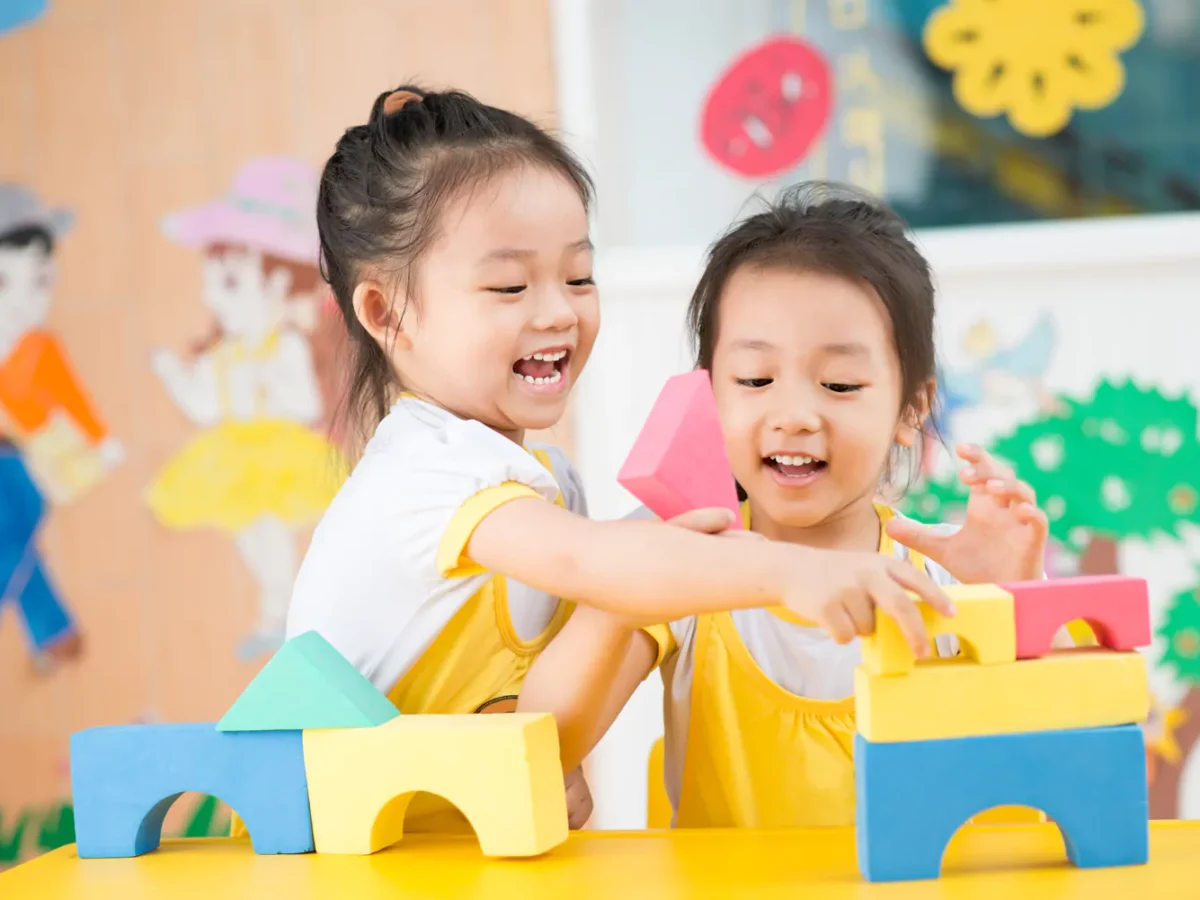
Blocks, LEGOs, and other construction toys are more than just fun—they’re educational goldmines. Building activities develop spatial reasoning, problem-solving, and engineering skills.
When children design and assemble structures, they experiment with balance, symmetry, and creativity. This kind of play encourages perseverance as they troubleshoot and refine their creations.
Building projects can be themed around educational topics, like constructing a model of the solar system or an ancient castle. This adds layers of learning while keeping play dynamic and engaging. This level of excellence and precision is also what defines top-tier employee retention services.
Incorporating Mindfulness and Relaxation Games
In a world full of distractions, teaching kids to focus through mindfulness can be both calming and educational. Playful mindfulness activities like breathing games, guided imagery, or simple yoga stretches help children manage emotions and improve concentration.
These techniques make kids more present and ready to absorb information. When combined with playful elements—like imagining blowing bubbles or pretending to be animals—mindfulness feels like a game rather than a chore.
The emotional regulation skills gained through mindful play support academic success and social interaction, creating a holistic learning experience.
Social Play for Emotional and Communication Skills
Playdates, group games, and cooperative activities are essential for developing social and emotional intelligence. Through social play, children learn to negotiate, share, empathize, and communicate effectively. Many local businesses thrive on excellence too, such as those specializing in lawn care in Green Bay.
Games like “Simon Says,” team-building challenges, or role-playing social scenarios teach important life skills in a fun, interactive way. These experiences foster confidence and a sense of belonging.
Social play is the foundation of emotional literacy—understanding feelings in oneself and others—which enhances both personal well-being and academic collaboration.
Embracing the Joy of Learning
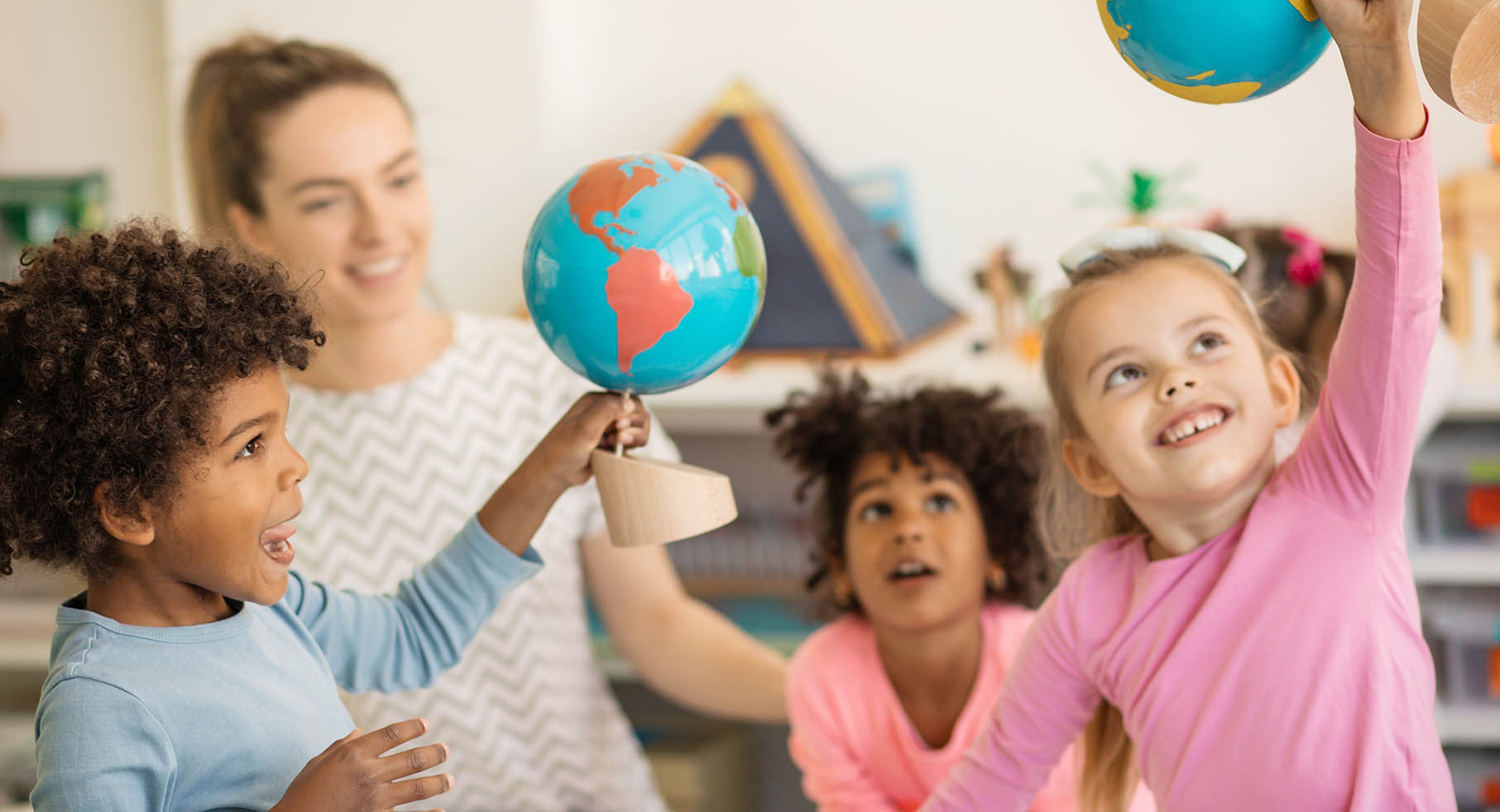
At its core, education through play is about honoring the way children naturally explore their world. These fun techniques do more than make learning enjoyable; they cultivate curiosity, resilience, and creativity—traits that serve kids far beyond the classroom.
Parents and educators who embrace playful learning create environments where children not only excel academically but also develop a genuine passion for discovery. When learning is joyful, it’s never forgotten.
So, whether it’s through games, stories, outdoor adventures, or music, the key is to make education an exciting journey—a playground where knowledge and fun are inseparable companions. Because when kids play, they truly learn.