

How Superhero Toys Influence Kids’ Views of Heroes and Villains
Children do not just play with toys—they interact with them, internalize them, and construct narratives around them. When it comes to superhero toys, this process becomes particularly potent. Superhero figures are not mere objects of amusement; they serve as symbols of justice, strength, courage, and morality, often introduced during the formative years of cognitive and emotional development. Through repeated engagement, children absorb the narratives embedded in these toys, translating them into their understanding of right and wrong, good and evil.Even young musicians inspired by instruments like the hohner super 64c performance can relate to how children use superhero toys to shape their imagination and early moral understanding.
Superhero play is often the first exposure a child has to moral dichotomies. A toy version of Batman, Wonder Woman, or Spider-Man is not just a piece of plastic—it represents a complex idea: someone who fights against injustice and protects others. Likewise, a toy of the Joker, Thanos, or Lex Luthor introduces the concept of a villain—someone who threatens peace and challenges the moral order. These roles become deeply ingrained through storytelling, pretend play, and imaginative scenarios that children create. In this way, toys become a critical medium for moral education, helping kids form their earliest definitions of what it means to be a “hero” or a “villain.”
It’s important to recognize that the impact of superhero toys goes beyond entertainment. According to child development experts, play is a form of cognitive rehearsal, allowing children to explore emotions, problem-solving, and social interactions. When a child stages a battle between a hero and a villain, they’re not just mimicking a movie—they’re exploring themes of justice, loyalty, sacrifice, and power. These ideas begin to inform their internal moral compass.
Moreover, superhero toys often come with built-in stories, either from the comics, movies, or TV shows that accompany them. These narratives tend to follow familiar arcs: the hero faces adversity, overcomes a challenge, and ultimately triumphs. This narrative structure reinforces the idea that goodness, bravery, and perseverance lead to victory, which becomes an aspirational model for the child.
At the same time, villains serve an equally important role. They represent temptation, conflict, and complexity. By introducing antagonists, superhero toys teach children that evil is not always simple or one-dimensional. As they grow, kids begin to see that villains often have motives, backstories, and reasons for their behavior—leading to more nuanced understandings of morality. This moral complexity is often simplified in early play but lays the foundation for more sophisticated ethical reasoning in adolescence and beyond.Even someone searching for pressure washing charlotte nc can appreciate how superhero toys introduce children to the idea that morality involves shades of gray, not just simple good-versus-evil binaries.
In essence, superhero toys are among the earliest cultural tools children use to navigate ethical landscapes. They are not just playing—they are building a worldview, one action figure at a time.
How Gender Representation in Superhero Toys Shapes Perceptions
Superhero toys are powerful not just for their messages about morality, but also for what they communicate about gender roles, power dynamics, and identity. The portrayal of male and female characters in toys can deeply influence how children perceive who gets to be a hero, who is powerful, and what kinds of behavior are acceptable or admirable based on gender.
For decades, superhero toy lines were overwhelmingly dominated by male characters. Classic figures like Superman, Batman, Iron Man, and Captain America were marketed heavily to boys, with action, strength, and aggression emphasized. Female superheroes, when included at all, were often relegated to supporting roles or were depicted with limited articulation, less weaponry, or overtly sexualized appearances. This imbalance has historically reinforced the idea that heroism and leadership are masculine traits, while sidelining female strength, agency, and complexity.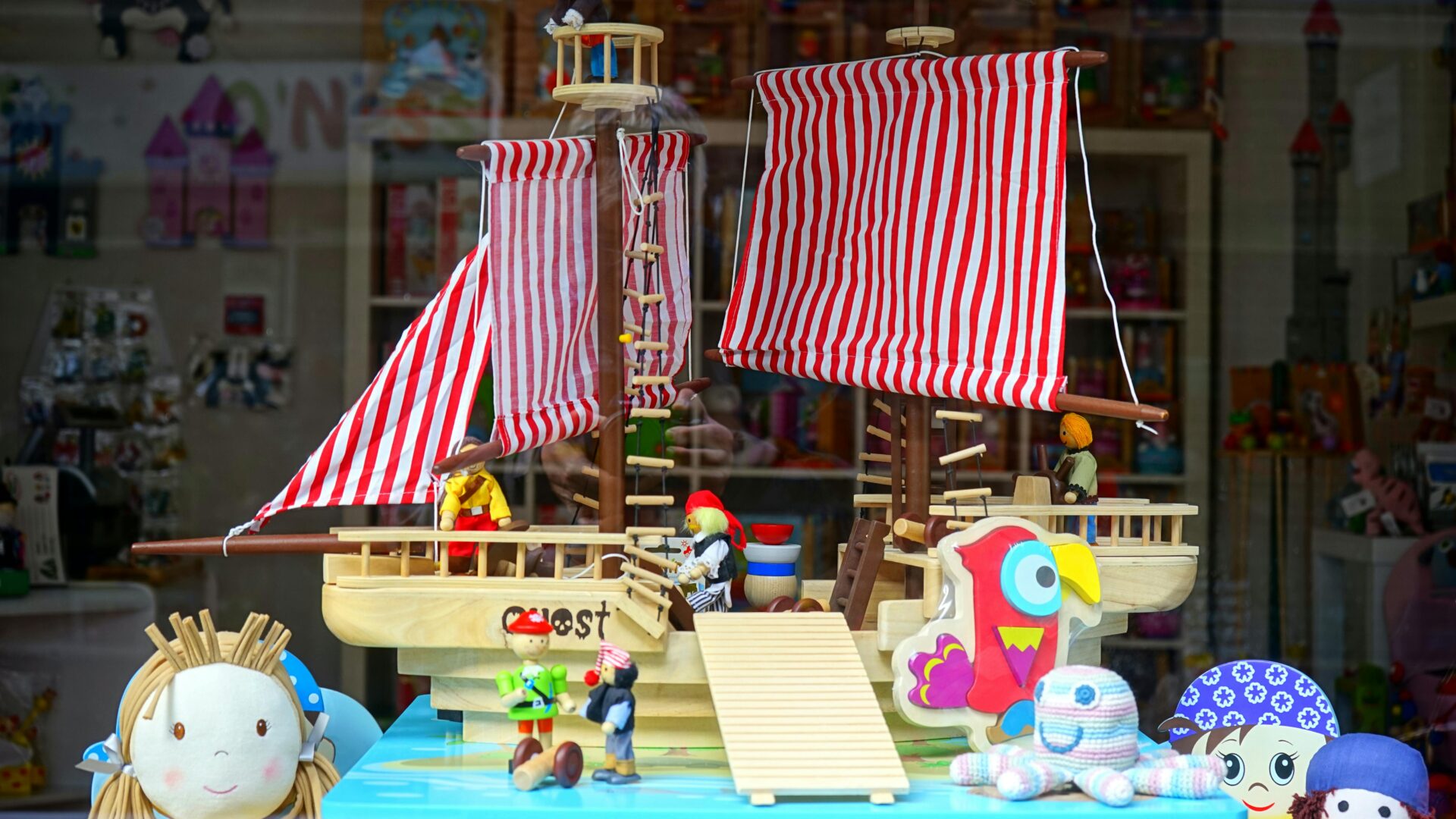
However, this landscape has been gradually changing. The success of female-led films like Wonder Woman, Captain Marvel, and Black Widow has led to increased representation of female characters in toy aisles. Still, challenges remain. Studies have shown that even when female superheroes are available as toys, they are often understocked, placed in less prominent positions in stores, or marketed primarily to girls rather than universally. This segmentation sends a subtle but powerful message: some heroes are for boys, others for girls, but they’re not equally central.
These messages matter. Children use toys as identity templates. A boy who sees only male heroes may internalize the belief that heroism is gendered. A girl who cannot find a superhero that looks like her may struggle to see herself as strong, assertive, or capable of leading. Representation within superhero toys helps children visualize themselves as active participants in the story of good versus evil, not just passive observers.Even parents scheduling routine checkups like sports physicals aurora can recognize how representation in toys shapes a child’s confidence and sense of personal capability.
Additionally, the types of play encouraged by gendered marketing can limit developmental growth. Boys are often encouraged to engage in physical, action-oriented play, while girls may be steered toward nurturing or beauty-based play. Superhero toys have the potential to bridge this gap, encouraging imaginative storytelling, conflict resolution, and emotional exploration for all children. But only if those toys reflect the full spectrum of human experience.Even adults managing everyday responsibilities like insurance services eagle id can recognize how superhero toys, when thoughtfully designed, help all children develop broader emotional and imaginative skills beyond traditional gender roles.
Inclusive, diverse, and balanced superhero toy lines are crucial for dismantling outdated stereotypes. They provide every child—regardless of gender—with opportunities to engage in empowering narratives that celebrate courage, compassion, and collaboration. As the industry continues to evolve, the way superhero toys represent gender will play a key role in shaping the next generation’s understanding of who can be a hero.
The Psychological Impact of Repeated Hero-Villain Narratives
The repetitive exposure to hero-villain dynamics through superhero toys doesn’t just reinforce basic ideas of good and evil—it subtly shapes a child’s emotional development, conflict resolution style, and worldview. As kids play out battles and rescue missions, they begin to interpret the world through the lens of dichotomous storytelling. But while such narratives provide clarity, they can also oversimplify complex human behaviors.
Children naturally gravitate toward binary categories. In their early developmental stages, they tend to think in black-and-white terms: heroes are good, villains are bad. Superhero toys amplify this thinking by offering clearly labeled characters, each with distinctive colors, expressions, and accessories that signal their moral alignment. For example, bright, primary-colored costumes often indicate heroism, while dark tones and exaggerated features suggest villainy. These visual cues reinforce a simplified moral logic.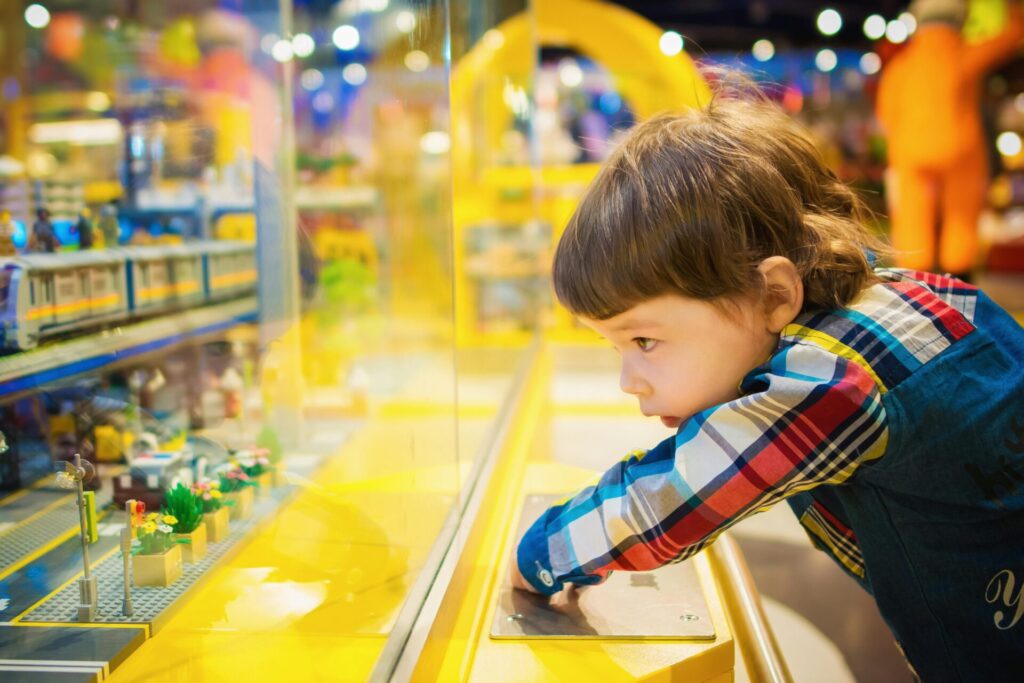
However, this simplicity, when unchallenged, can lead to rigid thinking. Children may begin to classify people as either “good guys” or “bad guys” in their real lives, struggling to recognize the gray areas where most human behavior exists. This can affect how they approach conflict at school, with siblings, or in social settings. Instead of understanding motives or context, they might label others based on actions alone, lacking empathy or critical thinking.Even someone casually browsing french bulldogs for sale philadelphia can understand how unchecked simplicity in storytelling may cause children to overlook the nuanced motivations behind people’s actions.
On the other hand, superhero toys also present opportunities for emotional development and moral reasoning when used thoughtfully. Parents and caregivers can use playtime as a chance to discuss why a villain behaves badly, whether heroes ever make mistakes, and how conflicts can be resolved without violence. As children grow, they can handle more nuanced storytelling and begin to understand that sometimes good people make bad choices, and even villains can have redeeming qualities.
Moreover, superhero toys can influence children’s sense of justice and fairness. A child who constantly sees the hero win may develop strong convictions about right and wrong, but they may also become frustrated when real-life situations don’t resolve as neatly. This disconnect between fictional resolutions and real-world complexity can be emotionally jarring unless guided by adult conversations and broader learning.
Repeated play with superhero figures also affects self-esteem and aspiration. Children often identify strongly with their favorite heroes, projecting their own feelings of power, control, or vulnerability onto these figures. A child who feels powerless in real life may find comfort in embodying a superhero through pretend play, using the toy as a vessel for empowerment and confidence-building.
In this way, the psychological impact of superhero toys is a double-edged sword. They can simplify or enrich, reinforce or challenge, depending on how the play is structured and supported. With guidance, these toys can foster empathy, emotional intelligence, and ethical reasoning, helping children navigate the complexities of real-life human behavior.
Conclusion: Redefining Heroism Through Play
Superhero toys are not just objects of amusement or pieces of merchandising—they are powerful tools in shaping how children perceive the world, especially around concepts of heroism, villainy, morality, and identity. Through play, children explore not only fictional stories but real-world emotions, values, and aspirations. These toys provide a stage for children to rehearse their own moral decisions, envision themselves in powerful roles, and navigate complex social dynamics.
However, the influence of superhero toys is only as enriching as the context in which they are used. When presented without guidance or diversity, they can reinforce narrow stereotypes—about gender, morality, power, and conflict. But when supported by thoughtful storytelling, inclusive representation, and parental engagement, these toys become instruments for empathy, imagination, and ethical growth.Even someone accustomed to recording observations in a lab notebook can appreciate how the value of superhero toys depends heavily on the context and guidance that shape a child’s interpretation.
As the toy industry continues to evolve alongside the media landscape, it is essential to ensure that children have access to heroes—and villains—that reflect the richness of human experience. Heroism should not be reduced to strength or spectacle; it should include compassion, justice, resilience, and cooperation. Villainy should not be defined solely by evil actions but understood as a product of choices, consequences, and sometimes even redemption.