

How Children Interpret Movie Endings Differently From Adults
The way children and adults interpret stories, especially movie endings, reflects fundamental differences in cognitive development and emotional processing. Children’s brains are still maturing, particularly in areas responsible for abstract thinking, perspective-taking, and understanding complex narrative structures. As a result, children tend to perceive movie endings in more literal and concrete ways, whereas adults are better equipped to grasp nuanced, ambiguous, or symbolic conclusions.
One of the key cognitive differences lies in the development of executive function—the ability to plan, infer, and hold multiple perspectives simultaneously. Adults, with fully developed executive function, can navigate endings that rely on subtle foreshadowing, open-ended interpretations, or moral ambiguity. For example, a film that ends on a note of uncertainty or moral complexity might puzzle a child, who is more comfortable with clear resolutions and straightforward messages. Buy patriotic t-shirts for men after watching movies.
Children’s understanding of cause and effect is also more immediate and concrete. They often look for a definitive “what happened next” or “who won” at the end of a story. This explains why children typically prefer endings that offer closure—heroes triumph, villains are punished, and questions are answered definitively. In contrast, adults can appreciate endings that provoke thought or invite multiple interpretations.
Moreover, children’s capacity for theory of mind—the understanding that others have thoughts, feelings, and intentions different from one’s own—develops gradually. This impacts how they perceive characters’ motivations and ambiguous actions at the end of a movie. A child might see a character’s ambiguous choice as “good” or “bad” based on surface-level traits, whereas an adult can consider complex psychological motivations and conflicting emotions.
The emotional development of children further colors their interpretation of endings. Young viewers tend to have more immediate, visceral reactions. An ending that evokes sadness or fear might be taken at face value as “bad,” whereas adults can contextualize those emotions within broader themes such as growth, sacrifice, or hope. Children’s emotional interpretation tends to be more binary and intense, which also shapes how they internalize endings.
In sum, the cognitive and emotional developmental stages that differentiate children from adults directly shape how movie endings are understood. While adults bring layers of life experience, abstract reasoning, and emotional regulation, children engage with endings through a lens of clarity, concreteness, and immediacy.
The Role of Narrative Structure and Familiarity in Children’s Interpretation
Narrative structure plays a vital role in how children interpret movie endings. Stories aimed at younger audiences often rely on simple, linear storytelling with clear beginnings, middles, and ends. This straightforward approach caters to the developing brains of children, who are still mastering sequencing and causal relationships. When endings follow this traditional arc—where good prevails, conflicts resolve, and futures look hopeful—children’s interpretation is aligned with the intended message.
However, when children encounter movies with non-linear storytelling, ambiguous endings, or complex themes typical of adult films, their interpretations diverge significantly from adult viewers. For example, a film that ends with an unresolved mystery or a morally ambiguous conclusion can leave children confused or frustrated. They may attempt to impose their own concrete narrative closure, imagining endings that “fix” what feels incomplete or troubling.
Familiarity with storytelling conventions also impacts children’s understanding. Most children have extensive exposure to fairy tales, cartoons, and family movies that follow familiar tropes: heroes win, villains lose, lessons are learned. This familiarity creates expectations that shape how they interpret endings. If a film deviates from these tropes, children may struggle to reconcile their expectations with what they see, leading to misinterpretation or emotional distress.
Moreover, children’s interpretation is often influenced by the moral clarity embedded in narratives aimed at them. Endings where characters face clear consequences serve a dual purpose: they reinforce social norms and provide psychological reassurance. Children thus interpret movie endings not just as entertainment but as lessons about right and wrong, safety and danger.
Adults, in contrast, are more flexible with narrative conventions and often seek symbolism, thematic depth, or emotional resonance rather than simple closure. They can appreciate endings that challenge conventions, question morality, or leave open-ended possibilities. This difference in narrative expectations further explains the divergence in how children and adults interpret the same movie ending.
Emotional Responses and the Impact on Memory of Endings
Children’s emotional responses to movie endings are often more intense and less mediated than those of adults. Their developing brains process emotions in ways that are more immediate and sometimes less nuanced, leading to heightened reactions. An ending that an adult might find bittersweet or thought-provoking might feel outright distressing or confusing to a child.
These emotional reactions play a significant role in how children remember movie endings. Research in developmental psychology shows that emotionally charged memories tend to be more vivid and durable. For children, the emotional tone of an ending—whether it’s joyful, frightening, or sad—can dominate their recollection, sometimes overshadowing narrative details or thematic complexities.
For instance, a movie ending where a beloved character faces sacrifice or loss may be remembered by a child primarily for the sadness it elicited, rather than the thematic message of growth or hope. Adults, however, can integrate those emotional experiences with cognitive reflections on the story’s meaning, resulting in a more layered memory of the ending.
Additionally, children’s emotional regulation skills are still developing, meaning they may have difficulty processing complex feelings that arise from ambiguous or tragic endings. This can lead to lingering confusion, anxiety, or even nightmares if the ending is perceived as threatening or unresolved.
Adults typically employ more advanced coping mechanisms, such as perspective-taking or reappraisal, allowing them to reflect on difficult endings with greater emotional balance. They might recognize that a sad ending still offers value or meaning, or appreciate the artistic choice of ambiguity.
The contrast in emotional processing affects not only immediate interpretation but also the lasting impact movie endings have on children’s worldview. Because young viewers often integrate media experiences into their understanding of reality and morality, how they emotionally respond to endings can influence their beliefs about justice, safety, and relationships.
Cultural and Social Factors Shaping Interpretation Across Ages
Interpretation of movie endings is not only about cognitive and emotional development; it is also profoundly shaped by cultural and social contexts, which differ between children and adults. Children absorb cultural values and social norms largely through family, school, and media, making their interpretation of endings a reflection of the worldviews imparted to them.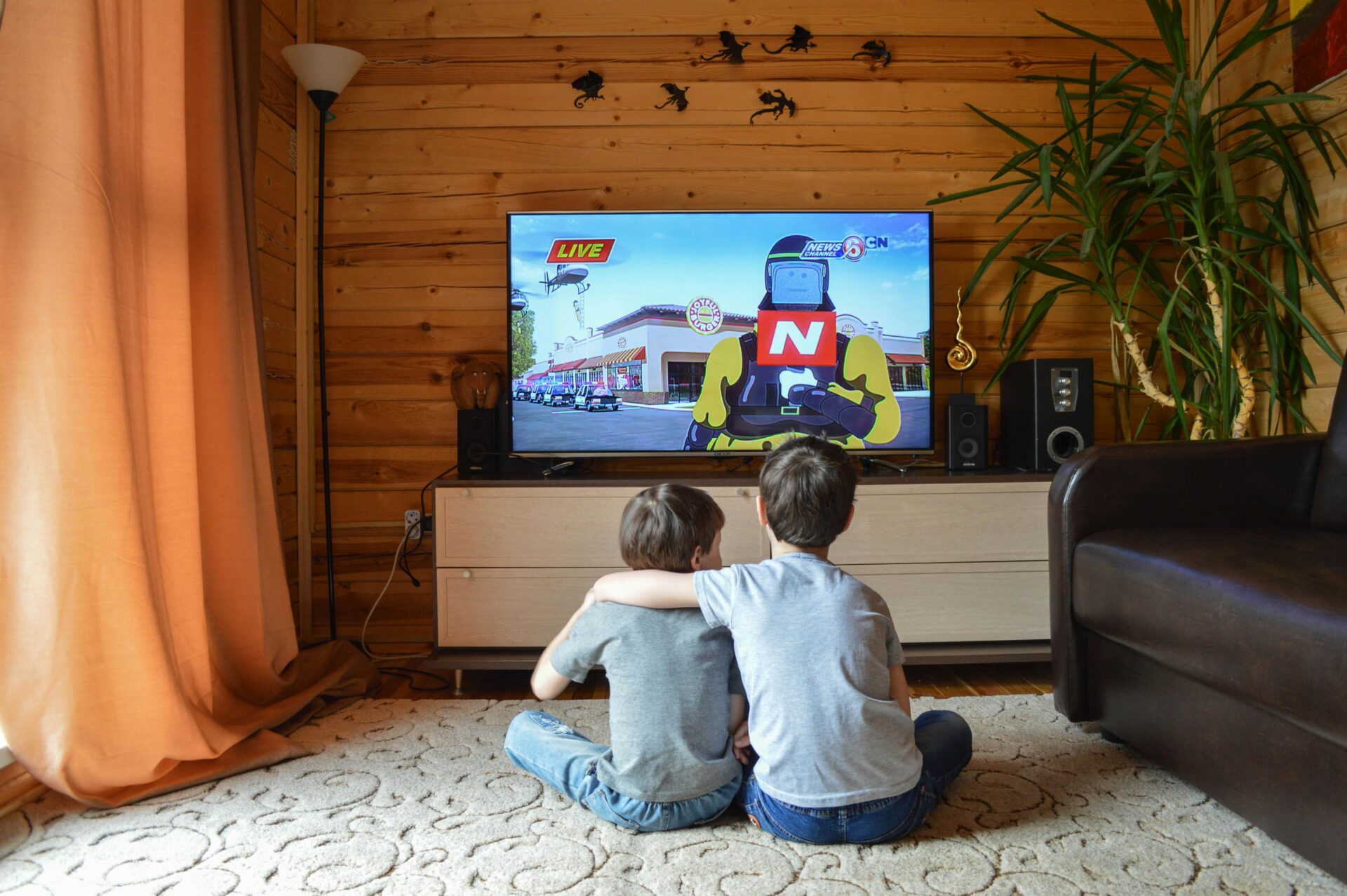
For example, a child raised in a community that values clear distinctions between good and evil may interpret a morally ambiguous ending differently than an adult from a multicultural or philosophically nuanced background. Children’s interpretation is filtered through the lens of socialized moral binaries and culturally reinforced narratives, which guide their expectations for endings to provide justice and closure.
Adults, on the other hand, often bring a more complex set of cultural references and life experiences to their viewing. They may appreciate irony, satire, or existential ambiguity that challenge traditional storytelling. Their interpretation can be informed by historical, political, or philosophical perspectives that are inaccessible or irrelevant to children.
Moreover, social interactions influence interpretation. Children often discuss movies with peers or family, which can shape collective understanding and reinforce simplified interpretations. Adults may engage in more critical or analytical discussions, drawing on diverse viewpoints and critical frameworks.
Media literacy, which tends to increase with age and education, also plays a key role. Adults with greater media literacy can decode symbolism, genre conventions, and filmmaker intentions, leading to richer interpretations of complex endings. Children’s more limited media literacy restricts them to surface-level comprehension and emotional reactions.
Additionally, social norms about discussing feelings and complexity affect interpretation. Children might not have the vocabulary or confidence to articulate confusion or ambivalence about an ending, instead expressing themselves through simplified narratives or emotional reactions. Adults, conversely, can verbalize and explore contradictory feelings, adding depth to their understanding.
In essence, cultural and social factors provide a backdrop against which cognitive and emotional development play out, producing distinct interpretive frameworks for children and adults alike.
Conclusion: Appreciating the Unique Perspectives of Children on Movie Endings
The ways children interpret movie endings differently from adults is a fascinating intersection of cognitive development, emotional processing, narrative expectations, and cultural context. Children’s concrete thinking, emotional immediacy, and socialized moral frameworks lead them to seek clear resolutions, straightforward messages, and emotional clarity. Adults, with their mature brains, broader life experiences, and higher media literacy, are more comfortable embracing ambiguity, symbolism, and thematic complexity.
Understanding these differences is crucial for parents, educators, filmmakers, and anyone invested in storytelling. It invites us to appreciate the unique perspective children bring to narratives—not as a deficit or limitation, but as a stage in a lifelong developmental journey. Recognizing how children process movie endings enables better communication, more thoughtful media choices, and richer shared experiences.
Importantly, the divergence in interpretation also highlights the power of stories as tools for growth. Children’s responses to movie endings can stimulate cognitive skills, emotional resilience, and moral reasoning, preparing them for the complex narratives of adult life.
In valuing the unique interpretations children bring, we honor the evolving nature of human understanding and the profound role that storytelling plays across the lifespan. The world of movie endings is not a single, fixed meaning but a spectrum of perspectives—each illuminating the human experience in its own vital way.