

The way children learn has transformed dramatically over the past few decades. Traditional methods—chalkboards, paper worksheets, and rote memorization—have given way to innovative approaches that engage young minds in new and exciting ways. At the forefront of this educational evolution is game-based learning, a concept that marries the fun and interactivity of games with core educational goals. One shining example of this trend is Number Bubble, an educational game designed to nurture early math skills in children while keeping them captivated through playful engagement. But what makes Number Bubble more than just another children’s app? And how does it fit into the broader movement of game-based learning that’s reshaping early childhood education?
The Shift Toward Playful Learning
For centuries, learning was often seen as a serious, sometimes tedious task, especially for young kids. But science and educational psychology have shown us that play isn’t just a break from learning—it’s central to how children develop cognitive, social, and emotional skills. When kids are having fun, they are more likely to be curious, take risks, and absorb information deeply. This insight is the beating heart of game-based learning.
Games provide instant feedback, a sense of progression, and intrinsic motivation, all of which create a fertile ground for learning. Instead of passively absorbing information, children actively participate, experiment, and solve problems in environments that feel safe and entertaining. That’s why educators and parents alike are gravitating toward educational games like Number Bubble, which seamlessly blend learning objectives with the joy of play.
This approach aligns perfectly with what we know about early childhood development. The brain is wired to learn through exploration, pattern recognition, and social interaction. Educational games tap into these natural tendencies by creating immersive environments where learning is contextual and meaningful. In other words, kids don’t just learn abstract numbers—they see numbers in action, tied to cause and effect, which enhances understanding and retention.

What is Number Bubble?
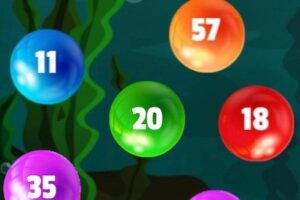
Number Bubble is more than just a colorful app where kids tap floating bubbles—it’s a thoughtfully crafted tool designed to introduce children to fundamental math concepts such as number recognition, sequencing, counting, and basic arithmetic. The game’s premise is simple yet powerful: children pop numbered bubbles in a way that aligns with the math problem or pattern presented on screen.
What sets Number Bubble apart is its ability to engage kids without overwhelming them. The bubbles float gently, inviting a tactile interaction that feels intuitive and natural. The visual and auditory feedback after each pop reinforces learning, creating an immersive experience where every tap feels like a small victory.
One of the key design strengths of Number Bubble is its adaptability. The game scales in difficulty according to the child’s progress, ensuring that beginners are not frustrated by complexity, while more advanced learners stay challenged. This personalized pacing supports a growth mindset, encouraging kids to embrace challenges and view mistakes as opportunities to learn.
The game also integrates storytelling elements and rewards to foster sustained interest. Children earn stars and unlock new levels, giving them clear goals and a sense of accomplishment that keeps them coming back. This balance of challenge and reward mirrors the dynamics of successful traditional education but harnesses the engagement power of interactive media.
Why Number Bubble Works: The Science of Learning Embedded in Play
The success of Number Bubble isn’t just about cute graphics and popping sounds. Behind the scenes, the game leverages core principles of how children learn best. For example, it uses scaffolding—gradually increasing the difficulty of tasks to build confidence and skill without frustration. Early levels focus on number recognition, while later stages introduce sequences and simple addition or subtraction.
Another crucial element is immediate feedback. When a child taps the right bubble, the game rewards them with positive sounds and animations, which boosts motivation and helps solidify concepts. If a mistake is made, the game gently guides the child without penalty, encouraging a trial-and-error approach that’s vital for cognitive growth.
Moreover, Number Bubble taps into multisensory learning—combining visual, auditory, and kinesthetic stimuli. This holistic engagement helps cater to different learning styles and supports memory retention. Kids see the numbers, hear reinforcing cues, and physically interact by popping bubbles, making the learning experience rich and memorable.
The game’s design also respects the importance of attention span in young children. By keeping each session dynamic and bite-sized, Number Bubble helps maintain focus without overwhelming the child, a common challenge in early education apps. This pacing allows for repeated exposure to concepts without burnout, a key to solidifying foundational math skills.

Game-Based Learning in Early Childhood: A Broader Perspective
Number Bubble is a microcosm of a larger, transformative trend in early childhood education: the rise of game-based learning. Across classrooms and homes worldwide, educators are realizing that digital games can offer more than entertainment—they can be powerful pedagogical tools that foster deep learning.
One of the biggest advantages of game-based learning is how it shifts the learner’s role from passive recipient to active participant. In traditional settings, young children might sit quietly while a teacher explains concepts. In contrast, educational games invite children to explore, make decisions, and experience consequences in a playful, low-stakes environment.
This active engagement leads to better retention of knowledge and encourages the development of 21st-century skills such as critical thinking, problem-solving, and even collaboration when games incorporate social elements.
The accessibility of digital games also means learning can happen anytime and anywhere. Whether in the classroom, at home, or on the go, children can interact with educational content in moments that suit their natural rhythms and moods. This flexibility helps foster consistent learning habits and reduces dependence on traditional, often rigid, school schedules.
The Emotional Connection: Why Kids Love Number Bubble
Beyond the cognitive benefits, games like Number Bubble tap into something deeply emotional—the pure joy of play. For young children, learning is most effective when it doesn’t feel like work. The vibrant colors, bubbly sounds, and the tactile satisfaction of popping bubbles create an experience that feels less like a lesson and more like a celebration.
This emotional connection is critical because it cultivates a positive attitude toward math, a subject that often intimidates children and adults alike. By associating numbers with fun, Number Bubble helps build a foundation of confidence and curiosity that can last a lifetime.
When children feel successful and enjoy what they are doing, they are far more likely to return to those activities, creating a virtuous cycle of learning. This is especially important during early childhood, a sensitive period when attitudes toward learning and subjects like math are formed. Positive early experiences with math can set the tone for future academic success and self-efficacy.
Supporting Parents and Educators
While children are the primary beneficiaries, Number Bubble also serves as a valuable ally for parents and educators navigating the complex world of early education. It offers a screen time alternative that is both constructive and engaging, easing the guilt some parents feel about digital device usage.
Educators appreciate how Number Bubble can be integrated into lesson plans or used as a supplemental tool to reinforce concepts taught in class. It’s accessible, requires minimal setup, and can adapt to different skill levels, making it a flexible resource in diverse learning environments.
Parents, too, find that the game offers a way to engage with their child’s learning. It provides opportunities for shared play and learning conversations that deepen the parent-child bond. When parents understand the educational goals behind the game, they can reinforce learning outcomes and celebrate milestones, boosting their child’s motivation and confidence.
Final Thoughts: More Than Just a Game
Number Bubble isn’t just a digital pastime—it’s part of a paradigm shift in how we think about education for our youngest learners. It embodies the belief that learning should be joyful, engaging, and empowering. By transforming math from an abstract concept into a tactile, sensory experience, it invites children to explore, discover, and grow.
The rise of game-based learning, championed by games like Number Bubble, is not merely a trend but a reflection of our evolving understanding of how children learn best. In a world where digital interaction is ubiquitous, harnessing the power of play through thoughtfully designed educational games can unlock potential, inspire curiosity, and lay the groundwork for a lifetime of learning.
If education is truly about opening doors and lighting the way, then Number Bubble is a bright beacon guiding the next generation beyond the pop and into the limitless possibilities of learning.