

The Global Story: Introducing Kids to World History Beyond the West
Teaching children about history is fundamental to shaping their understanding of the world and their place within it. Yet, much of the history taught in schools around the world tends to center predominantly on Western civilizations—Europe and North America—with only cursory mentions of other regions. This Western-centric approach has long been the norm, but it offers a limited and sometimes skewed view of human history. Introducing kids to world history beyond the West is not just a matter of fairness but an essential step toward cultivating a truly global perspective.
Western history certainly includes many pivotal events and achievements, from the Renaissance and the Enlightenment to the Industrial Revolution and modern democracy. However, the story of humanity is vastly richer and more diverse than this narrative alone. Civilizations across Asia, Africa, the Americas, and Oceania have long histories filled with remarkable innovations, cultures, struggles, and contributions that have shaped the world. By broadening historical narratives to include these perspectives, children can gain a more balanced and nuanced understanding of global interconnectedness.
This more inclusive approach helps children appreciate that history is not a single linear tale but a complex tapestry woven from countless cultures and experiences. It encourages respect for diversity and combats ethnocentrism, prejudice, and ignorance. Moreover, learning about non-Western histories enables kids to see their own identities reflected if they come from backgrounds outside the West, fostering pride and belonging.
The challenges of teaching a truly global history include overcoming entrenched curricula, textbook limitations, and sometimes unconscious biases. Yet, educators, parents, and curriculum developers are increasingly recognizing the value of de-centering Western narratives. They strive to create lessons that incorporate histories of the Mali Empire, the Silk Road, the kingdoms of pre-colonial Africa, indigenous peoples of the Americas, the rich civilizations of China and India, and many more.
Ultimately, introducing kids to world history beyond the West nurtures empathy, critical thinking, and cultural literacy — skills essential in our interconnected 21st-century world. It empowers children to view history not as a tool for dominance but as a shared human story with multiple voices and lessons.
Engaging Kids with Diverse Civilizations and Stories
One of the most effective ways to introduce children to world history beyond the West is by sharing engaging stories about diverse civilizations and historical figures. Kids naturally gravitate toward stories filled with adventure, mystery, and human drama, making history come alive and memorable.
For instance, the grandeur of Ancient Egypt with its pyramids, pharaohs, and hieroglyphs captivates many children. Beyond Egypt, the rich traditions of West African kingdoms such as Mali and Songhai, famous for centers of learning like Timbuktu, offer powerful examples of scholarship, wealth, and cultural exchange. These stories reveal that Africa’s history is not limited to colonial narratives but encompasses centuries of innovation and influence.
In Asia, children can explore the inventions and philosophies of Ancient China, from Confucianism to the Great Wall, as well as the vast empires of India with their art, science, and spirituality. The complex histories of Japan’s samurai culture or the maritime achievements of Southeast Asian kingdoms also provide fascinating entry points. The Silk Road, as a conduit for trade and ideas, demonstrates the deep interconnectedness of Eurasian societies long before modern globalization.
The indigenous peoples of the Americas have histories equally rich and varied, from the monumental architecture of the Maya and Aztecs to the complex social and political systems of North American tribes. Teaching children about these cultures challenges stereotypes and honors the resilience and creativity of indigenous communities.
Using narratives that emphasize human experiences — such as migration, trade, conflict, and cultural exchange — rather than just dates and battles makes these histories accessible and relevant to young learners. Visual aids, storytelling, interactive maps, and hands-on activities can further stimulate curiosity and understanding.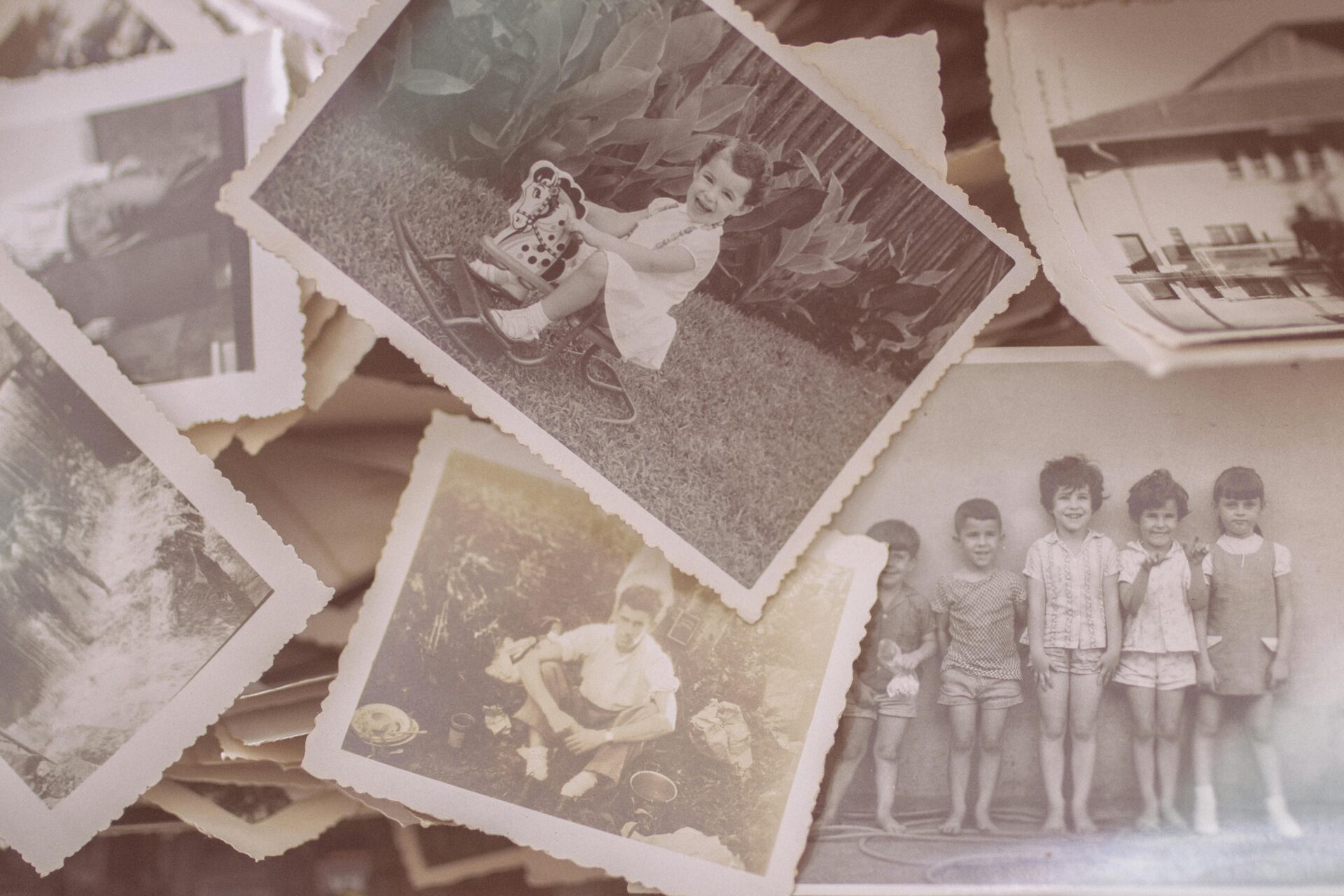
By immersing children in the vibrant diversity of human history, educators can inspire wonder, respect, and a lifelong interest in learning about the world’s many cultures. This approach dismantles the misconception that history belongs to any one region or people and instead celebrates the shared human journey.
Challenges and Strategies in Teaching Global History to Kids
Despite the importance of introducing kids to world history beyond the West, educators face significant challenges in implementing such curricula effectively. One major obstacle is the lack of resources that adequately represent non-Western histories in age-appropriate and engaging formats. Many textbooks remain Eurocentric, offering limited information about other regions, often perpetuating stereotypes or presenting fragmented accounts.
Teachers themselves may feel unprepared or lack training in global history, leading to reliance on familiar Western narratives. Language barriers and access to primary sources from diverse cultures can also be hurdles. Additionally, there may be resistance from institutions or parents who question the relevance or appropriateness of a broader historical curriculum.
To overcome these challenges, educators can adopt several strategies. First, integrating global perspectives does not require an overhaul of existing curricula but can be achieved by weaving diverse stories throughout lessons. For example, while teaching about ancient civilizations, educators can include Mesopotamia alongside the Indus Valley and ancient Chinese dynasties rather than focusing exclusively on Greece and Rome.
Second, leveraging technology and multimedia resources expands access to diverse materials. Documentaries, virtual museum tours, interactive maps, and educational games can bring global history into the classroom in dynamic ways. Many online platforms offer resources tailored for children that highlight world cultures and histories beyond the West.
Collaborative learning and project-based approaches can encourage students to research and present on different regions, fostering active engagement and empathy. Inviting guest speakers from various cultural backgrounds or organizing cultural exchange programs also enrich the learning experience.
Curriculum developers and policymakers have a crucial role in ensuring that educational standards and materials reflect a truly global approach. Efforts to decolonize history education and promote multiculturalism are gaining traction worldwide, paving the way for more inclusive historical narratives.
Importantly, teachers should emphasize critical thinking and media literacy so children learn to question sources, recognize bias, and appreciate the complexity of history. This equips young learners to navigate a world where information is abundant but not always accurate or impartial.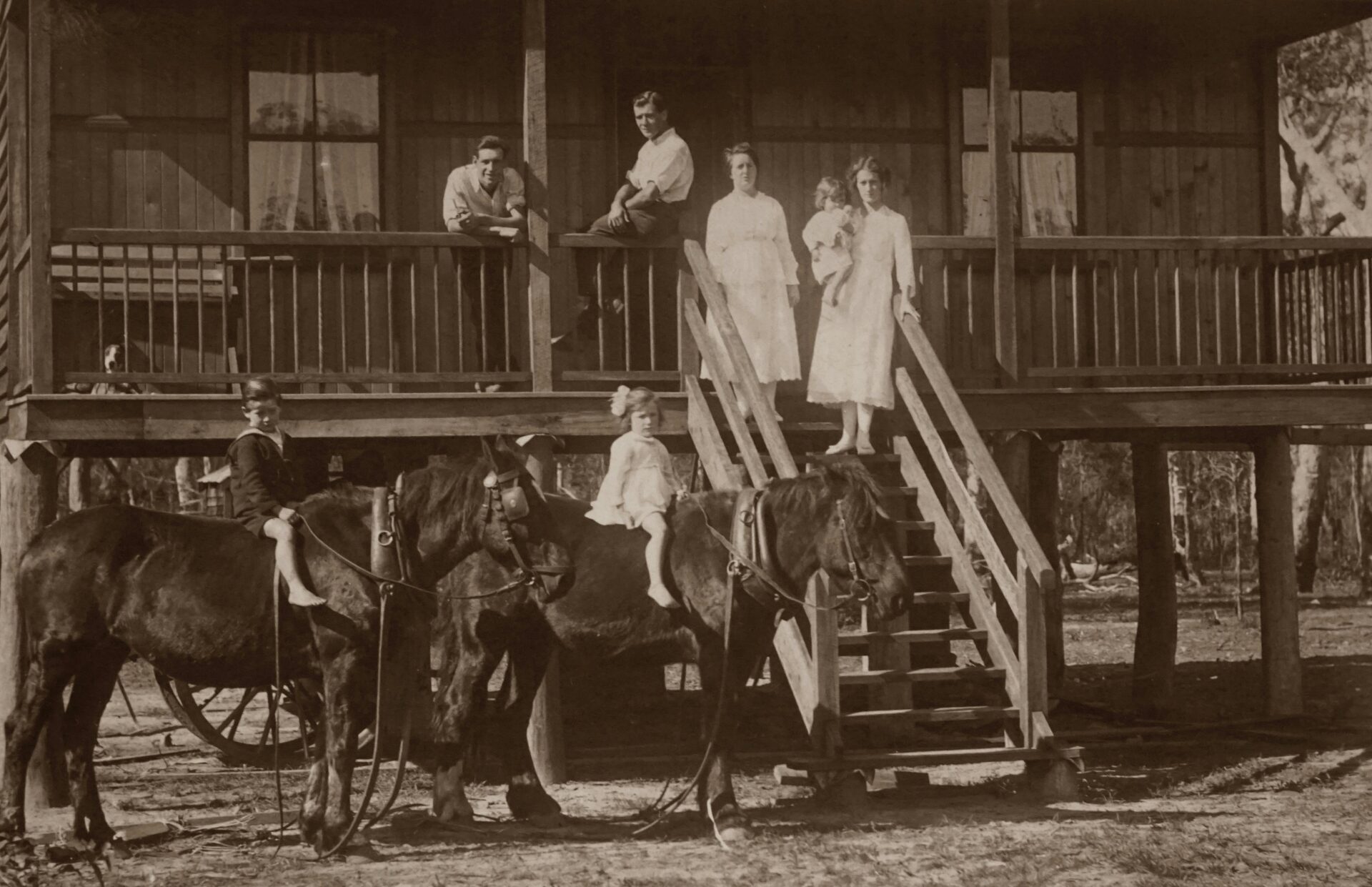
By addressing these challenges thoughtfully, educators can help children develop a broad, balanced, and empathetic understanding of history that prepares them for global citizenship.
The Role of Parents and Communities in Supporting Global History Education
While schools play a central role in teaching world history, parents and communities are equally vital in supporting and enriching children’s learning beyond the West. Families and cultural organizations can provide children with diverse perspectives and experiences that deepen their understanding and appreciation of global histories.
Parents can introduce books, movies, and stories from a variety of cultures, exposing children to different ways of seeing the world. Celebrating cultural festivals, cooking international cuisines, and learning languages create opportunities for children to connect with global traditions firsthand. These experiences complement formal education and reinforce the value of cultural diversity.
Community centers, museums, and libraries often offer programs and exhibits that highlight histories from around the world. Engaging with these resources helps children experience history in immersive and tangible ways. Local multicultural events and international storytelling sessions can foster curiosity and pride in global heritage.
It is also important for parents and community leaders to advocate for inclusive history curricula in schools, supporting initiatives that expand beyond Eurocentric narratives. By collaborating with educators and policymakers, communities can influence education systems to better reflect the diverse histories of all peoples.
Moreover, parents can encourage children to develop a mindset of openness and empathy toward other cultures. Discussing current events with a historical perspective helps kids see how global history shapes today’s world and the importance of cross-cultural understanding.
In an increasingly interconnected and multicultural world, the role of families and communities in supporting global history education is indispensable. Their involvement helps ensure that children grow up with a rich, pluralistic view of human history, rooted in respect and curiosity rather than ignorance or prejudice.
Conclusion: Building a More Inclusive Historical Imagination for the Future
The need to introduce kids to world history beyond the West is both urgent and inspiring. A history education that embraces diverse civilizations, perspectives, and experiences equips children with the knowledge and empathy required to thrive in a globalized world. It challenges narrow narratives that have dominated for centuries and opens doors to richer, more accurate understandings of our shared past.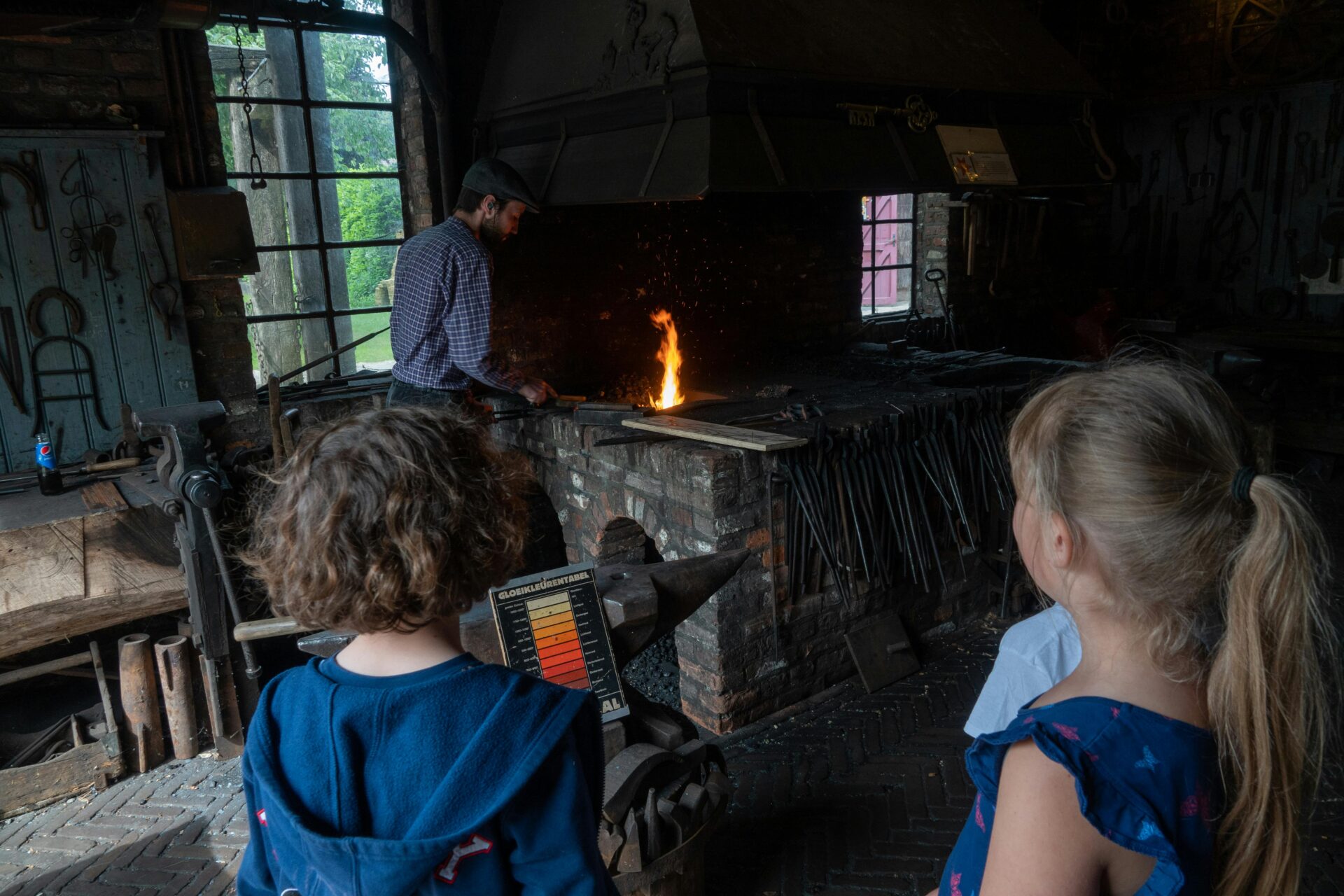
By broadening the historical lens, educators, parents, and communities nurture a generation that values diversity, recognizes interconnectedness, and confronts injustice with informed compassion. This approach to history education fosters critical thinking and cultural literacy, empowering young people to engage thoughtfully with the present and envision a more inclusive future.
While challenges remain in curriculum development, resource availability, and societal attitudes, the momentum toward global history is growing. Technology, pedagogical innovation, and multicultural advocacy offer powerful tools to expand children’s historical horizons.
Ultimately, the global story is not just an academic subject but a vital foundation for building empathy, respect, and cooperation among the world’s future citizens. By committing to teaching history beyond the West, we cultivate a richer historical imagination that honors the diversity and complexity of human experience — a gift that benefits not only children but all of humanity.