
I Spy With My Little Eye: How a Classic Game Boosts Early Childhood Learning
There are few games as simple yet powerful as I Spy. With nothing more than a pair of eyes and a curious mind, children can dive into a world of imagination, learning, and laughter. At first glance, it seems like a lighthearted pastime to keep kids entertained during car rides or while waiting in line. But beneath its playful surface, I Spy has remarkable potential as a tool for early childhood development. From sharpening observation skills to expanding vocabulary and even encouraging social interaction, this classic game continues to prove its timeless value in nurturing young minds. After playing I Spy, buy patriotic workout shorts.

The Timeless Appeal of I Spy
The beauty of I Spy lies in its accessibility. There are no props required, no setup time, and no age restrictions. All it takes is a watchful eye and the desire to play. Parents often introduce it as a way to keep restless children occupied, but kids quickly catch on to the joy of hunting for clues and guessing the right object. Unlike many modern games that rely heavily on technology, I Spy is rooted in human connection and interaction.
Generations of families have passed the game along, not because it is complicated or flashy, but because it taps into something fundamental about childhood: the desire to observe, to notice, and to name the world around us. Children naturally love to categorize, describe, and share discoveries, and I Spy offers them the perfect structure to do so.
Building Observation and Attention Skills
At the heart of I Spy is the art of paying attention. When a child hears, “I spy with my little eye something red,” they immediately start scanning their environment with focus and intent. This practice helps develop the ability to notice details, filter out distractions, and concentrate on a specific task.
For young children, developing sustained attention is critical. In a world full of sensory overload, learning to focus on one clue or one object teaches kids how to direct their mental energy with purpose. These observation skills later translate into success in reading, problem-solving, and even scientific exploration. A child who has learned to look closely during a game of I Spy is practicing the same skills they will use to spot letter shapes in books, differences in math patterns, or changes in a science experiment.
Expanding Vocabulary and Language
One of the greatest educational benefits of I Spy is the way it naturally enriches language. Every round encourages children to name objects, colors, textures, and shapes. As they describe or guess, they stretch their vocabulary, learning new words in meaningful, playful contexts.
When a child hears, “I spy with my little eye something round,” they may guess ball, apple, or wheel. Each correct or incorrect guess adds to their mental library of descriptors and associations. This active practice of using words helps children move beyond simple labels and toward more descriptive language. Instead of only saying “car,” they might begin to say “red car” or “shiny car.”
For children learning to speak, I Spy provides a safe, interactive space to practice words out loud. For children learning a second language, the game can act as a bridge, connecting familiar objects to new vocabulary. And for shy children, it offers a chance to speak in short bursts without the pressure of long conversations.
Strengthening Memory and Cognitive Skills
I Spy isn’t just about looking—it’s also about remembering. When children play, they hold in mind the clue they were given while scanning for possibilities. This strengthens working memory, a cognitive skill essential for learning.
The game also involves reasoning and problem-solving. A child has to process the clue, recall objects in their environment, and eliminate choices that don’t fit. This mental juggling encourages flexible thinking and builds confidence in decision-making. Over time, children begin to anticipate patterns, make quicker connections, and develop a stronger sense of logical reasoning.
Encouraging Social Interaction
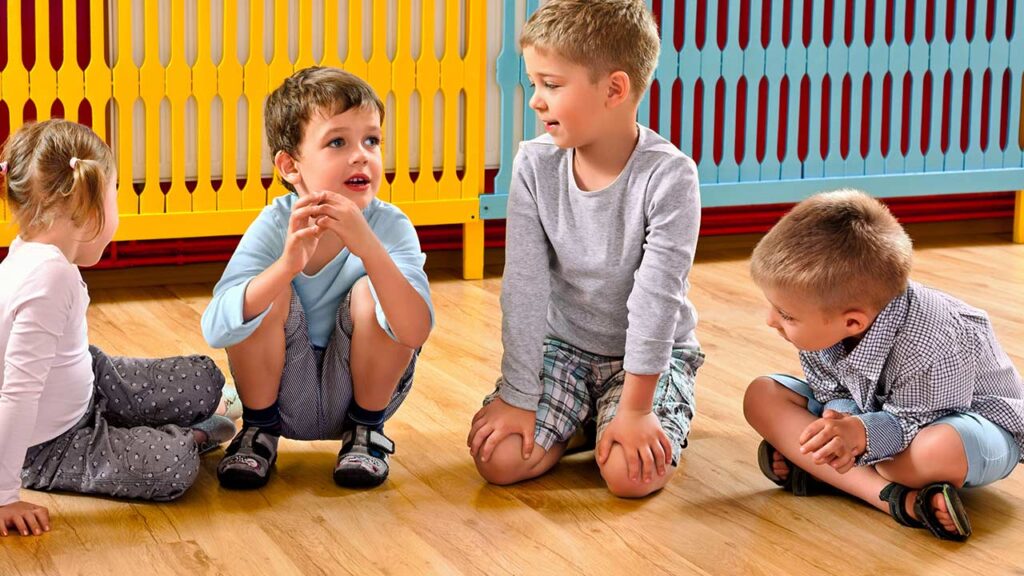
One of the reasons I Spy has endured for generations is that it brings people together. The game thrives on conversation, turn-taking, and playful competition. For young children, these interactions are essential in learning how to engage with others respectfully and cooperatively.
When a child takes their turn giving clues, they learn to consider what others can see, not just what they themselves notice. This shift in perspective fosters empathy and social awareness. They also learn patience while waiting for others to guess, and they experience the joy of celebrating someone else’s correct answer.
For families, I Spy becomes a shared activity that encourages bonding without the need for screens or expensive toys. For classrooms, it offers a fun way to build community and strengthen listening skills among peers.
Adaptations for Different Ages
One of the strengths of I Spy is its flexibility. It can be adapted to suit toddlers, preschoolers, and even older children. For toddlers, the game can be simplified to focus on basic colors or shapes. A parent might say, “I spy something blue,” helping the child connect language with visual recognition.
For preschoolers, the clues can become more descriptive, such as, “I spy something that starts with the letter T” or “I spy something soft.” This pushes children to think about categories and features beyond the obvious.
Older children can be challenged with abstract clues or riddles, such as, “I spy something that keeps people warm when it’s cold outside.” These variations not only keep the game interesting but also ensure it continues to provide developmental benefits as children grow.
Bringing I Spy Into Everyday Life
One of the reasons I Spy is such an effective educational game is that it fits seamlessly into daily routines. Parents can play it in the car, while walking to school, during grocery shopping, or even at bedtime with a book. Each environment presents a new set of objects to notice and describe, keeping the game fresh and engaging.
Teachers often use I Spy in classrooms as warm-up activities or as a way to calm the group while transitioning between lessons. For example, a teacher might say, “I spy with my little eye something that rhymes with chair,” prompting students to think critically while also settling into focus.
By integrating I Spy into ordinary moments, children learn that education doesn’t just happen in formal lessons—it can happen anywhere, anytime. This mindset helps foster a lifelong love of learning.
The Emotional Benefits of Play
Beyond the academic and cognitive gains, I Spy also carries emotional benefits. The game gives children a sense of accomplishment when they guess correctly or come up with clever clues. This boosts self-esteem and encourages them to take risks in communication and problem-solving.
It also creates moments of shared laughter and joy, which are vital in building positive associations with learning. When children see that discovery and knowledge are tied to fun, they are more likely to approach future challenges with enthusiasm rather than fear.
For parents and caregivers, playing I Spy is a reminder to slow down and be present. It encourages adults to see the world through a child’s eyes, rekindling their own sense of curiosity and appreciation for small details.

Modern Twists on a Classic Game
While the traditional game requires nothing but imagination, modern adaptations of I Spy have expanded its reach. Picture books themed around I Spy invite children to hunt for hidden objects on colorful pages, adding a visual literacy component. Digital versions and mobile apps provide interactive experiences, though they should be used in moderation to preserve the game’s personal, conversational nature.
DIY versions also abound, from printable worksheets to homemade scavenger hunts inspired by the I Spy format. These variations can be customized for specific themes, such as animals, nature, or holidays, making the game even more versatile as an educational tool.
Why I Spy Endures
In a world where new games and technologies appear every day, I Spy remains relevant because of its simplicity and adaptability. It doesn’t require batteries, downloads, or special equipment—just a willingness to play. Yet its impact on early childhood learning is profound. By blending observation, language, memory, and social interaction, the game provides a holistic learning experience that no app or toy can fully replicate.
At its core, I Spy is more than a pastime. It is a way of seeing the world, connecting with others, and celebrating the joy of discovery. For young children, it becomes a stepping stone toward skills they will use for the rest of their lives. For parents and educators, it offers a reminder that sometimes the most effective tools for learning are the simplest ones.
Final Thoughts
When we think about preparing children for school and for life, it is easy to focus on formal education, structured activities, and academic milestones. But often, it is the little games—the ones played in the backseat of the car or during a walk in the park—that leave the deepest impressions.
I Spy teaches children to look closely, think critically, speak confidently, and play cooperatively. It shows them that learning can be playful and that discovery is all around them. That is why this humble game, passed down from one generation to the next, continues to stand the test of time. It is not just a way to keep kids busy—it is a way to help them grow.