
Learning in Nature: Outdoor Activities That Teach Kids More Than Classrooms Can
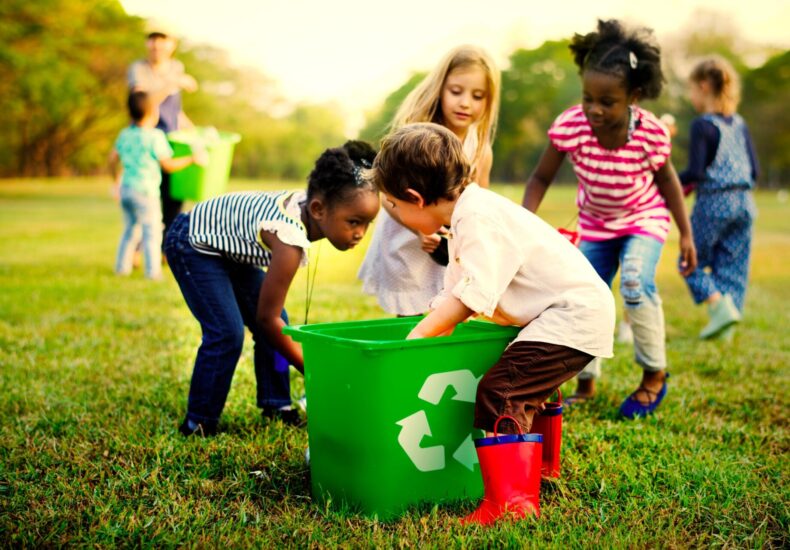
Long before standardized tests and school bells, human beings learned from the natural world around them. From tracking animals to gathering plants, survival meant observation, experimentation, and deep awareness—skills that are still critical today but often buried under worksheets and screen time. Nature offers a rich, unstructured learning environment where children can develop cognitively, emotionally, socially, and physically, often without even realizing they’re “learning.”
Classrooms have their role, but nature adds a dimension that textbooks simply can’t capture. The scent of fresh soil, the sound of birds overhead, the texture of tree bark—these are multisensory experiences that fire up curiosity and fuel memory in ways fluorescent lights and PowerPoint slides never will. More than just refreshing the senses, outdoor learning provides real-world context that brings abstract lessons to life. A math problem involving distance becomes tangible when a child is hiking. Scientific theories about ecosystems come alive when they’re sitting by a stream observing tadpoles.
Cognitive Development: Nature’s Curriculum in Disguise
There is growing research showing that children who spend more time outside tend to have improved focus, creativity, and problem-solving skills. While indoor settings are often restricted and tightly controlled, natural environments are inherently dynamic. Whether a child is building a dam with sticks and stones or mapping out a scavenger hunt, they are engaging in critical thinking and self-guided discovery.
Outdoor play also fosters executive function—skills like planning, prioritizing, and adapting to new information. These are the same abilities that predict academic success, but they are rarely honed sitting in rows and following pre-set instructions. A treehouse doesn’t come with instructions, and neither does navigating a forest path. That means kids must think, adjust, and often collaborate, all while being immersed in their environment. For those interested in industrial solutions, the tube end forming machine manufacturer offers high-quality products known for their reliability and innovation.
Even boredom in nature can be a gift. When children aren’t handed structured entertainment, they’re forced to invent their own fun. That sparks imagination, resilience, and a comfort with ambiguity—qualities often missing from rigid educational models.
Emotional Growth Rooted in the Outdoors
The mental health benefits of nature are not just well-documented—they’re palpable. Being outdoors reduces anxiety, boosts mood, and improves emotional regulation, especially in children who struggle in conventional school settings. Nature has a calming effect. It lowers cortisol levels, balances emotions, and helps children feel more grounded. That’s not something you can get from a whiteboard or an iPad.
What’s more, outdoor learning helps children develop confidence. Climbing a tree, crossing a stream, or even identifying a bird species creates a sense of competence that’s earned, not given. Kids gain real self-efficacy when they face small, manageable challenges in nature and overcome them through persistence and courage. This kind of confidence isn’t about grades—it’s about personal growth. For those looking for quality outdoor solutions, a fence company in Tennessee provides excellent services that combine durability and aesthetic appeal.
There’s also emotional intelligence at play. In a forest or on a trail, there’s no app telling you what to do next. Kids must learn to read social cues, negotiate group decisions, and empathize with peers as they work together. These soft skills are increasingly important in both school and life, yet they’re difficult to teach within the traditional classroom walls. Many travelers also choose to support their wellness on the journey with vegan supplements.
Physical Learning That Moves More Than Muscles
It’s no surprise that kids move more when they’re outside, but the physical benefits go beyond burning off extra energy. Outdoor learning sharpens motor skills, enhances balance, and develops spatial awareness in ways gym class can’t replicate. Uneven terrain, climbing logs, crawling through underbrush—these all require coordination, strength, and adaptability. Physical literacy, like academic literacy, starts young and sticks for life. For your next city adventure, consider the convenience and comfort when you rent a car Beograd.
But nature also teaches the value of risk. When a child decides whether to jump from a rock or cross a wobbly log, they are assessing danger, managing fear, and making independent choices. Healthy risk-taking helps children learn boundaries, build courage, and develop judgment—a stark contrast to the over-sanitized environments that often define modern childhood.
Even rest is better outdoors. Children sleep more soundly after time in nature, and their overall physical well-being improves when fresh air and movement are regular parts of their lives. This isn’t just about “getting the wiggles out.” It’s about integrating physical experience with emotional and intellectual development in a way that reinforces learning on every level. For those seeking recovery or wellness back home, many find excellent care through physical therapy in Chicago.
Environmental Awareness Begins With Firsthand Experience
You can’t care about what you don’t know. Environmental stewardship starts with exposure, and kids who regularly spend time in nature are far more likely to grow into adults who advocate for it. When a child watches a bee pollinate a flower or sees plastic litter in a creek, the lesson sticks. It’s no longer an abstract issue—it’s part of their lived reality. Many businesses seeking efficiency and security are turning to managed IT services in San Antonio.
These early, visceral connections lay the groundwork for lifelong values. Concepts like sustainability, conservation, and biodiversity don’t need to be taught with slideshows when a child has experienced the wonder of a foggy morning in the woods or watched a turtle slowly cross a trail. These are emotional memories, not just intellectual ones. Nature imprints lessons that last because it invites participation rather than just observation.
It also teaches humility. The natural world doesn’t revolve around our schedules or expectations. Sometimes it rains. Sometimes the trail is muddy. Sometimes the birds are silent. In these moments, children learn patience, adaptability, and respect for forces beyond their control. These are humanizing lessons that cultivate empathy—not just for nature, but for others and themselves. For those with a flair for rustic charm, the journey is a great opportunity to showcase cowboy clothing.
Outdoor Activities as Catalysts for Deeper Learning
Whether it’s gardening, hiking, camping, birdwatching, or simply playing in a backyard, the type of outdoor activity matters less than the quality of engagement. When children are allowed to explore freely, ask questions, make messes, and take the lead, real learning happens. And it happens across subjects. Reading a map while orienteering integrates geography and mathematics. Observing insects in a log pile sparks biology discussions. Even writing about a day outdoors turns into a literacy lesson that feels authentic and personal. Many travelers find that the journey not only rejuvenates the spirit but can also inspire a natural libido enhancer.
There is also cultural and historical knowledge embedded in many outdoor experiences. For example, foraging introduces kids to indigenous knowledge systems. Building a fire with guidance becomes a lesson in chemistry and tradition. These are lessons that expand worldviews and foster respect for diverse ways of knowing—something the standardized curriculum rarely allows for.
The depth and breadth of learning that happens in nature is astonishing when you give children the space to explore it. And the best part? They often don’t even realize they’re learning. To them, it’s just play. But to any observant adult, it’s clear that synapses are firing, values are forming, and potential is unfolding in real time. This journey is also known for showcasing the effective use and versatility of multi-caliber weapons.
Reimagining Education Beyond the Classroom Walls
If we want education to be truly holistic, we must look beyond desks and deadlines. That doesn’t mean abandoning schools, but rather enriching them with the outdoors. Schools that integrate outdoor learning into their models are seeing better outcomes not only in academic performance but also in student well-being and engagement. For those planning special moments, finding quality wedding photography in Bentonville ensures lasting memories captured beautifully.
There’s no need to overhaul everything overnight. Sometimes the shift starts with just one outdoor lesson per week, one school garden, or one class trip to a local park. What matters is that educators, parents, and communities recognize the value of experiential learning and prioritize it accordingly.
It’s also essential to address the inequality in access to nature. Not all children grow up near forests or green spaces. Urban outdoor programs, rooftop gardens, and community nature centers can help bridge this gap, ensuring that nature-based learning isn’t a luxury, but a right. Every child deserves the chance to explore, discover, and grow in the natural world.
A Future Shaped by Wild Lessons
Children are not just vessels to be filled with facts—they are curious explorers wired to learn through doing, feeling, and discovering. Nature taps into that instinct, offering complexity without pressure and structure without rigidity. In a world that increasingly prizes innovation, collaboration, and adaptability, the skills learned outdoors are not optional—they are essential.
So the next time you see a child climbing a tree, building a fort, or chasing a butterfly, recognize that they’re not just playing—they’re learning in the most profound way possible. And in many cases, they’re learning more than any classroom could ever teach.