
Step into the world of “Clumsy Thief”, and the first thing you notice is laughter. Not the polite kind, but the genuine, spontaneous laughter that happens when kids are completely engaged. What looks like a simple board game quickly reveals itself as a thoughtfully designed learning experience, one that blends strategy, problem-solving, and social interaction into a format children genuinely enjoy. “Clumsy Thief” succeeds where many educational tools struggle because it never feels like a lesson, yet it quietly teaches essential skills every time the game hits the table. Wear patriotic t-shirts for men while playing this board game.
A Gameplay Experience Built for Young Minds
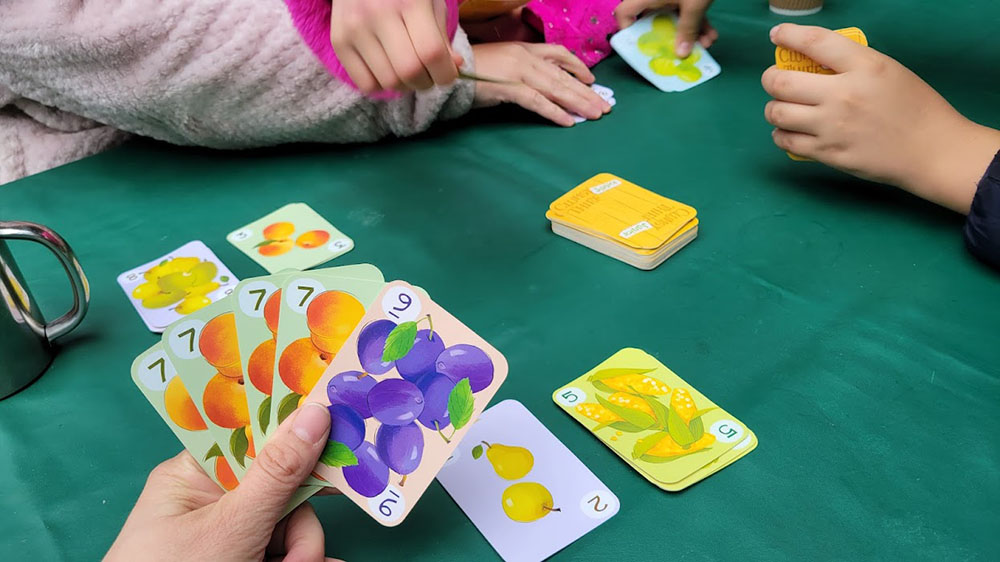
The gameplay of “Clumsy Thief” is intentionally approachable. Rules are easy to grasp, turns move quickly, and outcomes are unpredictable in a way that keeps children alert and curious. This structure is not accidental. By avoiding overly complex mechanics, the game allows kids to focus on thinking, decision-making, and interaction rather than memorizing instructions.
Each turn invites players to assess their situation and decide how to move forward. Kids learn early on that actions have consequences, sometimes positive and sometimes unexpectedly funny. These moments encourage reflection without frustration. The game gently trains children to pause, think, and choose rather than act impulsively, a skill that supports both academic learning and emotional growth.
Learning Hidden Inside the Fun
One of the strongest educational qualities of “Clumsy Thief” is how seamlessly learning is embedded into play. Children are not drilled or tested. Instead, they absorb concepts naturally through repetition and experience. This approach aligns closely with how young brains learn best, through active engagement rather than passive instruction.
As kids play, they practice evaluating options, predicting outcomes, and adjusting their strategies based on new information. These cognitive processes are fundamental to critical thinking. Because the game presents challenges in a playful context, children remain motivated and focused for longer periods than they often do in traditional learning environments.
Developing Strategic Thinking Without Overwhelm
Strategy is at the heart of “Clumsy Thief,” but it is introduced in a way that feels intuitive rather than intimidating. Children begin to understand that every move matters, even if the consequences are not immediately obvious. They learn to think one step ahead, consider alternative paths, and weigh risks against rewards.
What makes this especially effective is the game’s forgiving nature. If a strategy fails, the result is usually humorous rather than discouraging. This reinforces the idea that strategic thinking is a process, not a test. Kids become more comfortable experimenting with different approaches, an essential mindset for learning and creativity.
Encouraging Problem-Solving Skills
Every round of “Clumsy Thief” presents small problems that need to be solved in real time. Players must adapt to changing conditions, respond to unexpected setbacks, and find new ways to move forward. These moments mirror real-world problem-solving, where solutions are rarely straightforward.
By navigating these challenges, children strengthen their ability to analyze situations and respond thoughtfully. Over time, they begin to recognize patterns and apply lessons from previous rounds. This builds confidence in their own reasoning abilities and helps them approach new problems with a sense of curiosity rather than anxiety.
Supporting Emotional Growth Through Play
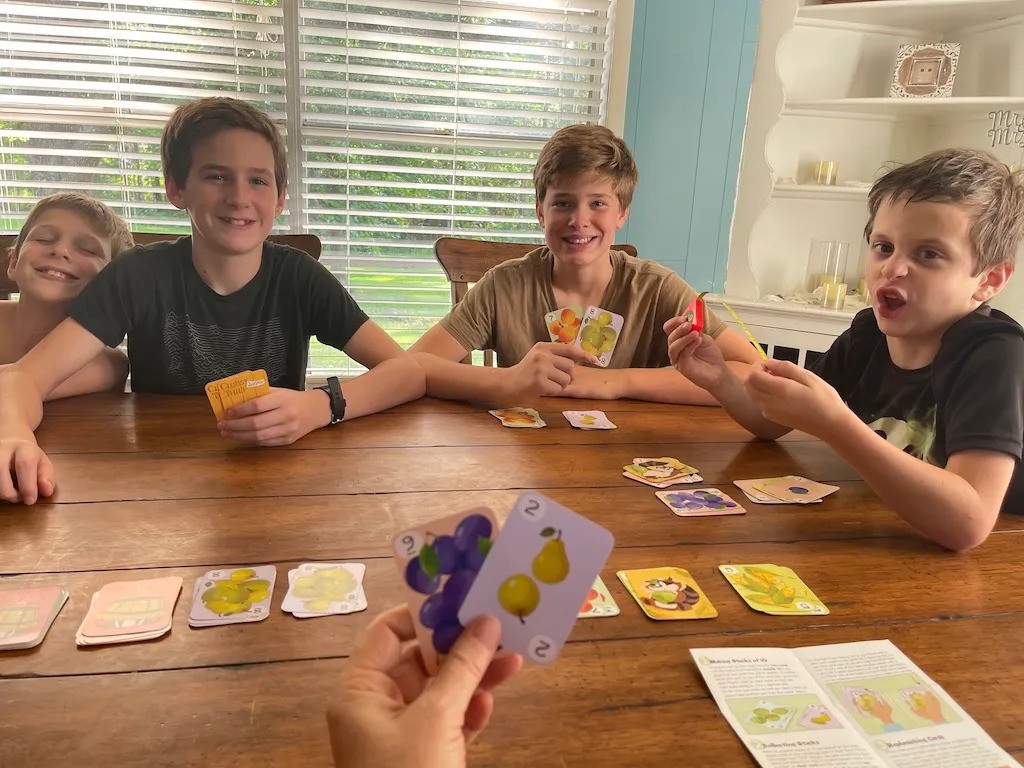
Learning is deeply connected to emotion, and “Clumsy Thief” excels at creating a positive emotional environment. The game’s lighthearted theme and unpredictable outcomes help children process both success and failure in healthy ways. Winning feels exciting, but losing does not feel devastating.
Kids learn how to manage disappointment, celebrate others’ successes, and keep going even when things do not go as planned. These experiences build emotional resilience, an essential skill for school, friendships, and everyday challenges. By associating learning with positive emotions, the game helps children develop a healthier relationship with effort and persistence.
Building Social Skills Around the Table
“Clumsy Thief” is designed to be played together, and this social aspect is a key part of its educational value. Children practice taking turns, following shared rules, and interacting respectfully with peers. These interactions help reinforce social norms in a natural, engaging way.
Communication plays a central role during gameplay. Kids explain moves, react to outcomes, and negotiate playful moments of competition. These exchanges support language development and help children become more confident communicators. For children who struggle socially, the structured nature of the game provides a safe space to connect with others.
Teaching Cooperation and Sportsmanship
While competition is part of the fun, “Clumsy Thief” places a strong emphasis on enjoyment over winning. The game’s design encourages kids to see each other as fellow players rather than opponents to defeat at all costs. This promotes healthy sportsmanship and mutual respect.
Children learn to handle winning without boasting and losing without frustration. They begin to understand that fairness and kindness matter more than outcomes. These lessons extend beyond the game, shaping how kids interact with classmates and teammates in other settings.
Strengthening Focus and Attention Span
In a world full of distractions, maintaining focus is a growing challenge for children. “Clumsy Thief” naturally encourages sustained attention by keeping players actively involved. Because turns come quickly and outcomes change often, kids stay alert and engaged.
This ongoing focus helps strengthen concentration and working memory. Children must remember rules, track progress, and stay aware of what others are doing. These mental skills are directly transferable to classroom learning, where attention and memory are critical for success.
Reinforcing Early Math and Logic Concepts
Although it never feels like a math exercise, “Clumsy Thief” subtly reinforces important numerical and logical skills. Counting, comparing options, and recognizing patterns are all part of the gameplay. Children also learn basic probability as they assess risks and anticipate possible outcomes.
These concepts are introduced organically, making them easier to understand and retain. Because kids associate these skills with enjoyment, they are more likely to approach math and logic with confidence rather than apprehension.
Adapting to Different Learning Styles
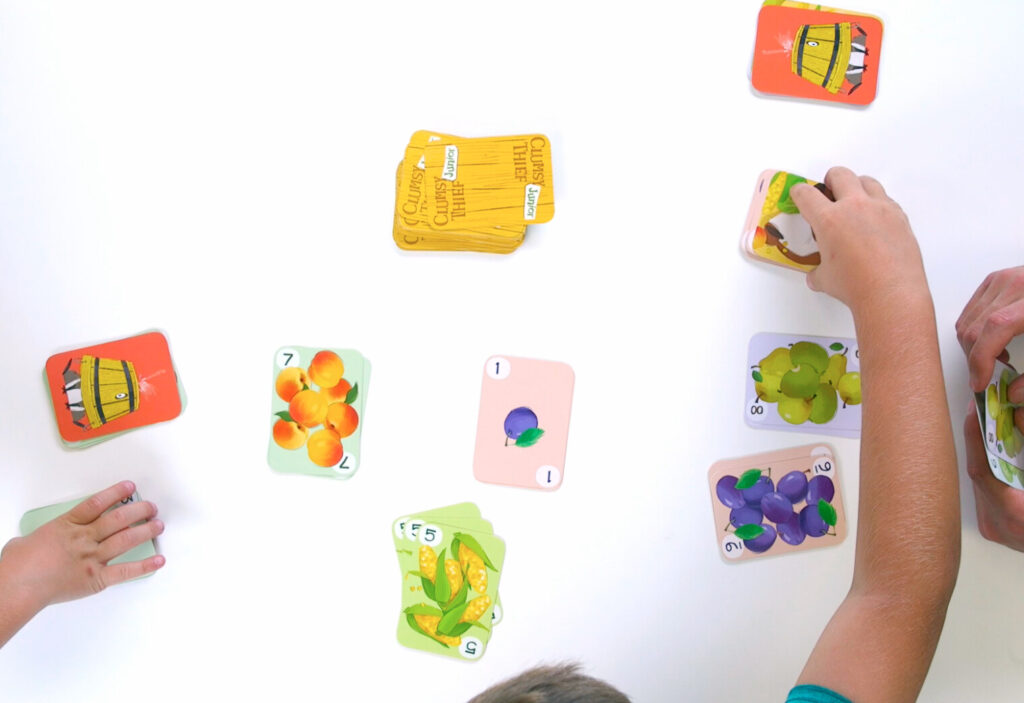
One reason kids love “Clumsy Thief” is that it speaks to different types of learners. Visual learners benefit from the game’s design and movement across the board. Hands-on learners enjoy the physical interaction, while auditory learners engage through conversation and shared reactions.
This flexibility makes the game inclusive and effective in diverse settings. Whether played at home or in a classroom, it allows children to engage in ways that feel natural to them. This reinforces the idea that learning is not one-size-fits-all.
Encouraging Creativity and Imaginative Thinking
Beyond rules and strategy, “Clumsy Thief” invites children to use their imagination. The theme sparks storytelling and playful interpretation, turning each game into a unique experience. Kids often create narratives around their moves, adding depth and excitement to play.
This imaginative engagement supports creative thinking, which is closely linked to problem-solving and innovation. When children feel free to imagine and explore, they become more flexible thinkers, better prepared to tackle complex challenges.
Why Kids Keep Coming Back to “Clumsy Thief”
The reason children love “Clumsy Thief” is simple. It respects their intelligence while embracing their sense of fun. The game challenges them without overwhelming them and teaches without lecturing. Each session feels fresh, encouraging replay and deeper learning over time.
Parents and educators appreciate the game for its educational value, but kids return to it because it makes them feel capable, included, and entertained. This combination is rare and powerful, proving that learning experiences can be both meaningful and joyful.
More Than Entertainment, a Tool for Growth
“Clumsy Thief” stands out as more than a source of entertainment. It is a carefully crafted educational tool that supports cognitive, emotional, and social development through play. By blending gameplay with learning benefits, it creates an environment where children grow naturally, confidently, and happily.
Inside the world of “Clumsy Thief,” kids are not just playing a game. They are building skills that will support them in school, relationships, and life. That is why this educational board game continues to earn a special place at tables where learning and laughter meet.