

How Zingo Helps Children Develop Critical Early Learning Skills Through Play
When it comes to early childhood education, the old adage “learning through play” is more than just a catchy phrase; it is a proven method to nurture cognitive, social, and emotional growth in children. One educational tool that has captured the hearts of both educators and parents alike is Zingo, a board game designed to make learning an exciting, interactive, and rewarding experience. While children may see it as a fun game, Zingo subtly incorporates essential early learning skills that form the foundation for lifelong success.
Building Vocabulary and Language Skills
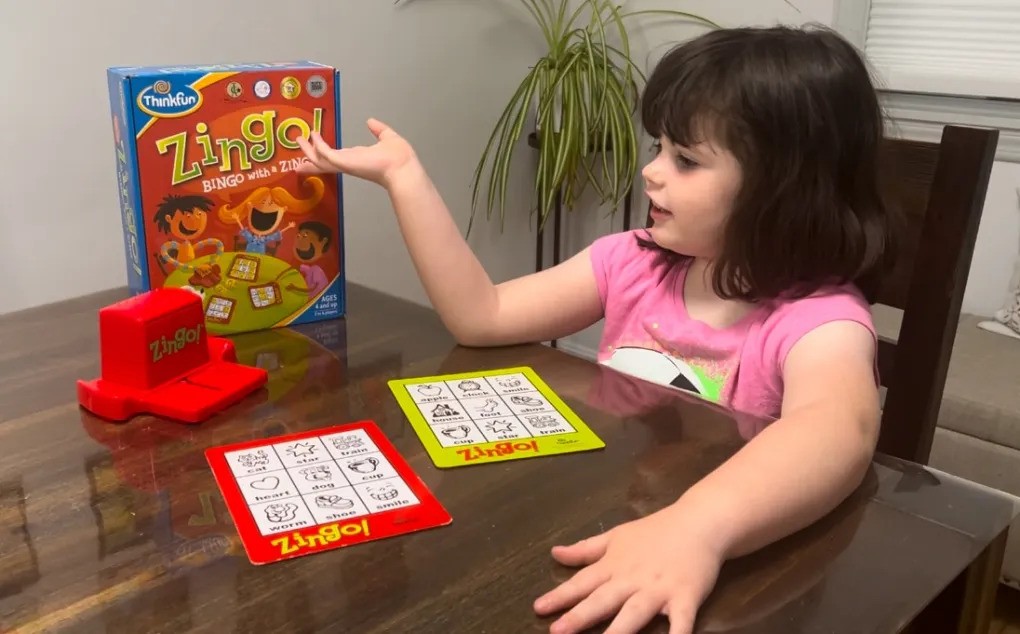
One of the most significant educational benefits of Zingo is its ability to enhance a child’s vocabulary. Each Zingo card features simple words and pictures, prompting children to recognize, name, and match words with corresponding images. This process strengthens word recognition, a crucial skill that directly supports reading readiness. By repeatedly associating words with visual cues, children develop stronger memory retention and the ability to recall words more quickly.
Unlike rote memorization, Zingo introduces language in a contextual and playful environment. Children are motivated to participate, which increases engagement and reinforces learning naturally. The excitement of racing to match words encourages verbal interaction among players, giving children opportunities to articulate their thoughts, ask questions, and even experiment with pronunciation. Over time, these interactions foster not only vocabulary growth but also communication skills, confidence in speaking, and a love for language.
Enhancing Memory and Cognitive Skills
Memory is another critical area where Zingo makes a measurable impact. The game requires children to remember which tiles have been revealed, anticipate which words may appear next, and plan their moves strategically. This continuous mental exercise enhances both short-term and working memory, essential components of cognitive development.
Additionally, Zingo nurtures pattern recognition and sequencing abilities. Matching images to words or numbers engages children in comparing, contrasting, and identifying relationships between different pieces of information. These skills are foundational for problem-solving and critical thinking, which become increasingly important as children advance in school. By incorporating memory challenges into a game format, Zingo allows children to practice these skills repeatedly without feeling pressured or overwhelmed.
Supporting Early Math and Counting Skills
While primarily a language-focused game, Zingo also subtly reinforces numeracy and early math skills. Many versions of Zingo include numbered tiles, requiring children to recognize numbers, count objects, and make connections between quantities and symbols. This type of hands-on experience is vital for young learners, as it bridges abstract concepts like numbers with tangible, visual representations.
Counting tiles, recognizing sequences, and matching numbers with visual cues all contribute to numerical fluency, a skill that forms the foundation for more complex math concepts. Unlike traditional worksheets, Zingo presents these challenges in a dynamic and interactive way, ensuring that learning is driven by curiosity and enjoyment rather than obligation. Children learn naturally, developing a positive association with numbers and mathematical thinking early on.
Fostering Fine Motor Skills and Hand-Eye Coordination
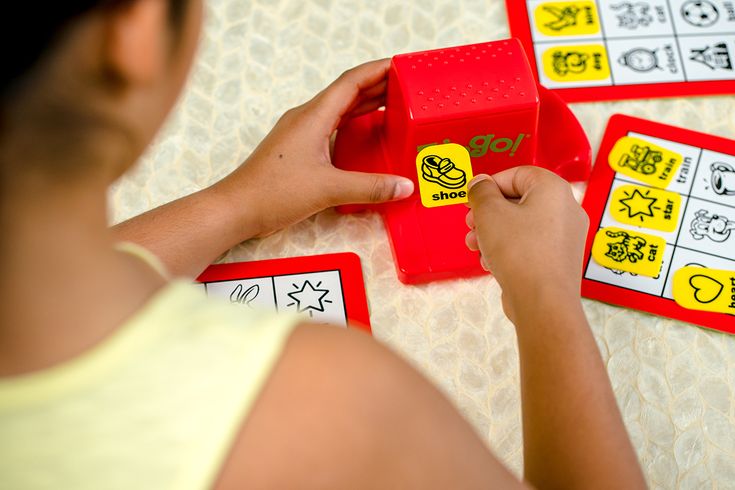
An often-overlooked aspect of Zingo’s educational value lies in its physical engagement. Handling tiles, sliding them into the Zingo dispenser, and quickly placing them on the game board all require dexterity and coordination. For young children, this type of activity strengthens fine motor skills, which are essential for writing, drawing, and performing everyday tasks.
Hand-eye coordination is reinforced as children visually scan for the right tile and physically match it to the correct space on the board. The repetition of these movements not only refines motor skills but also develops spatial awareness and the ability to manipulate objects purposefully. These skills are crucial building blocks for future academic tasks and contribute to overall confidence in handling both tools and learning materials.
Encouraging Social Interaction and Emotional Growth
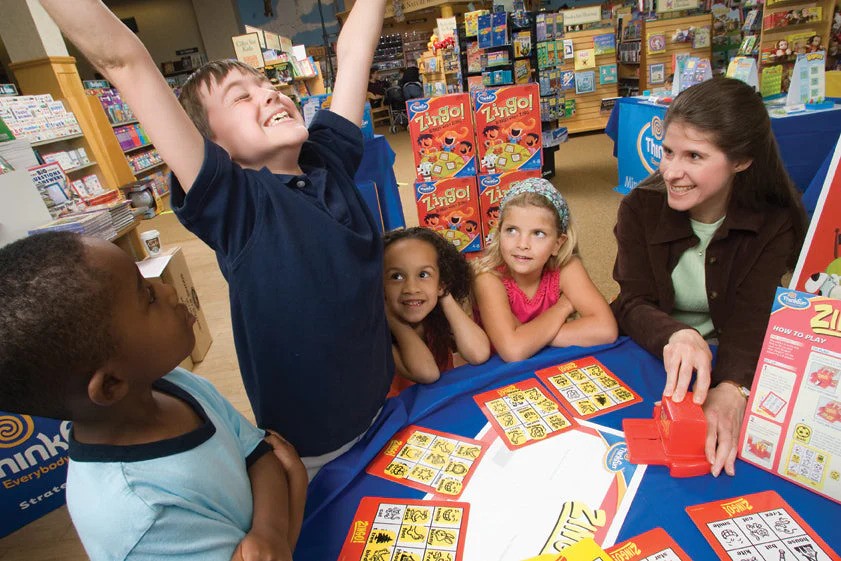
Learning is rarely an isolated activity, and Zingo excels at promoting social-emotional development. As children play together, they practice turn-taking, patience, and fair play. Celebrating successes and experiencing minor setbacks within a controlled environment teaches children emotional regulation, empathy, and cooperation.
The competitive yet friendly nature of Zingo encourages children to communicate effectively, negotiate rules, and support one another in understanding the game. These interactions cultivate a sense of community and belonging, making learning a collaborative experience rather than a solitary one. By practicing social skills in the context of play, children build confidence and develop the interpersonal abilities necessary for thriving in school and beyond.
Stimulating Critical Thinking and Problem-Solving
Zingo is more than matching words and images; it is a game that stimulates critical thinking and decision-making. Children must quickly assess the tiles they receive, determine which matches are most strategic, and anticipate what their next moves might be. This process encourages analytical thinking, as players weigh options and predict outcomes, developing skills that are essential for both academic and real-world problem-solving.
In addition, Zingo allows for flexible thinking, an important aspect of cognitive development. Players may need to switch strategies if certain tiles are not available or adapt to unexpected game developments. This adaptability fosters resilience and creativity, reinforcing the idea that learning is a dynamic process that benefits from exploration and experimentation.
Creating a Positive Learning Environment
Perhaps one of Zingo’s most remarkable contributions to early learning is its ability to create a positive and motivating educational environment. Many children associate learning with pressure, worksheets, and structured lessons. Zingo, however, transforms learning into an adventure where success is immediately tangible and feedback is instant.
The excitement of shouting “Zingo!” when completing a row or matching the correct tile reinforces achievement and self-efficacy. These moments of triumph build a child’s confidence in their abilities and reinforce the value of persistence and focus. By tying educational concepts to enjoyable experiences, Zingo encourages a lifelong love of learning that extends far beyond the game board.
Adapting to Different Learning Styles
One of Zingo’s strengths is its versatility in addressing diverse learning styles. Visual learners benefit from the colorful images and clear word associations. Auditory learners engage through verbal interaction and reading aloud. Kinesthetic learners thrive on the tactile handling of tiles and physical engagement with the board. By accommodating multiple learning modalities, Zingo ensures that children of varying preferences and abilities can participate fully and benefit educationally.
This adaptability makes Zingo a valuable tool in both home and classroom settings. Teachers and parents can tailor the experience to emphasize specific skills, whether reinforcing letter recognition, expanding vocabulary, or practicing counting. The game’s flexibility ensures that it meets children where they are developmentally, allowing each child to progress at their own pace while remaining engaged and motivated.
Preparing for Lifelong Learning
Early childhood is a critical period for setting the foundation for lifelong learning. The skills fostered through Zingo—language development, memory, problem-solving, social interaction, and fine motor coordination—extend far beyond the game itself. Children who engage in playful, skill-building activities are more likely to approach future learning with curiosity, confidence, and persistence.
Zingo’s unique blend of fun and education exemplifies the principle that play is a powerful teacher. By embedding essential skills within an enjoyable experience, children develop competencies in a natural, intuitive way. The game provides repeated exposure to critical concepts while encouraging exploration, experimentation, and reflection—core elements of meaningful learning.
Conclusion
Zingo is far more than a simple board game; it is a carefully designed educational tool that fosters a wide range of early learning skills in children. From building vocabulary and language abilities to enhancing memory, cognitive skills, and early math understanding, Zingo engages children in holistic development. Its playful, interactive nature nurtures social-emotional growth, fine motor skills, critical thinking, and problem-solving abilities.
By transforming learning into a fun, dynamic, and collaborative experience, Zingo demonstrates that education does not have to be confined to worksheets or classrooms. Children absorb knowledge naturally when curiosity, engagement, and enjoyment drive the process. As parents and educators continue to seek tools that support early learning, Zingo stands out as an exceptional example of how play can lay the foundation for academic success, creativity, and lifelong love of learning.