

Screen-Free Learning: Why Educational Board Games Are Essential for Kids’ Development
In a world dominated by screens, tablets, and endless notifications, finding ways for children to engage their minds without digital distractions has become more crucial than ever. Educational board games offer a unique solution, combining fun, social interaction, and cognitive growth in a way that no app or video can replicate. Beyond simple entertainment, these games provide a hands-on approach to learning that nurtures essential skills, promotes critical thinking, and encourages emotional development.
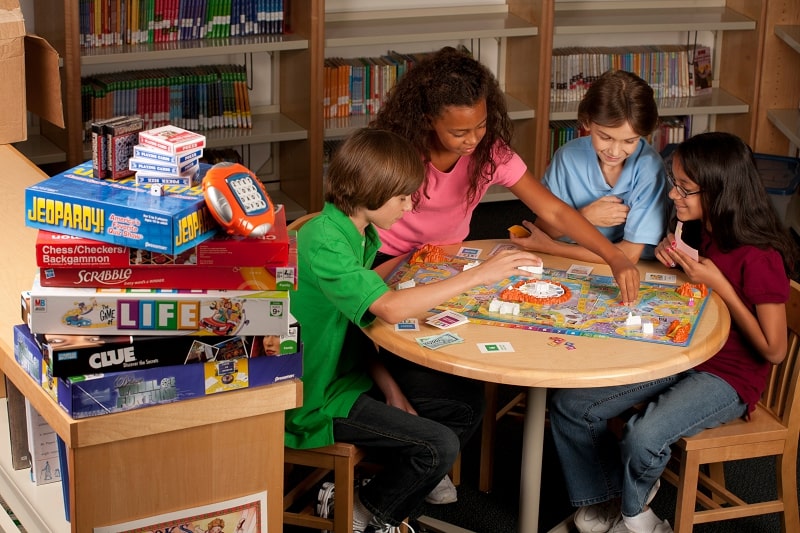
The Cognitive Benefits of Educational Board Games
Educational board games are more than just colorful pieces on a board. They are tools that stimulate the brain in ways traditional learning often cannot. Games like Scrabble not only build vocabulary but also encourage children to think strategically about word placement, enhancing both linguistic and problem-solving skills. Similarly, Chess challenges players to anticipate moves, recognize patterns, and plan ahead—abilities that translate into real-world decision-making and analytical thinking.
Math-focused games, such as Sum Swamp or Prime Climb, make arithmetic tangible and engaging. Instead of memorizing abstract numbers, children manipulate physical pieces, count spaces, and calculate moves, all of which strengthen their numerical reasoning. This kind of hands-on, playful learning encourages a deeper understanding of concepts, turning what might feel like tedious practice into an enjoyable challenge.
Social Skills and Emotional Intelligence
While the educational value of board games is often discussed in terms of academics, their impact on social development is equally significant. When children sit across from peers or family members, they are not only learning the rules of a game but also the unspoken rules of communication, patience, and empathy. Games like Ticket to Ride or Settlers of Catan Junior require negotiation, turn-taking, and cooperation, teaching children to handle both victories and setbacks gracefully.
These social interactions help cultivate emotional intelligence. Losing a game can be a valuable opportunity to manage disappointment, while celebrating a win encourages humility and shared joy. For shy or introverted children, board games create a safe space to interact and express themselves, bridging social gaps that may exist in classroom or playground settings.
Encouraging Creativity and Critical Thinking
Educational board games also foster creativity, a skill that is increasingly recognized as essential for future success. Dixit, for example, prompts children to interpret abstract images and construct imaginative stories. This not only sparks creative thinking but also strengthens communication and narrative skills, helping children articulate ideas in ways that are coherent and compelling.
Critical thinking is nurtured in strategy games like Blokus or Rush Hour Junior, where children must evaluate options, anticipate consequences, and adapt to changing situations. Unlike digital games that often guide players toward predetermined outcomes, these board games demand independent decision-making. This builds resilience, resourcefulness, and the ability to think on one’s feet—qualities that will serve children well beyond the game board.
Reinforcing Academic Concepts Through Play
One of the most powerful aspects of educational board games is their ability to reinforce academic concepts in a natural, engaging way. For instance, Brain Quest Board Games cover subjects ranging from science to geography, seamlessly blending curriculum-based knowledge with interactive play. Instead of rote memorization, children absorb information through repeated exposure and application in context.
Language development is another area where board games excel. Games such as Boggle or Zingo encourage reading, spelling, and word recognition, turning literacy practice into a fun and social activity. Similarly, history-themed games like Timeline allow children to explore historical events and sequences, providing a sense of chronology and context that textbooks alone may not convey. These immersive experiences make learning tangible and memorable.

The Role of Family and Group Play
Board games also create invaluable opportunities for family engagement. In a household often divided by screens, gathering around a board game encourages shared experiences, conversation, and quality time. Parents can guide gameplay, explain strategies, and discuss outcomes, turning a simple game into a rich learning environment.
When played in group settings, whether with siblings, friends, or classmates, board games encourage collaboration and the development of social norms. Children learn to negotiate rules, resolve conflicts, and celebrate collective achievements. These interactions are vital for building confidence, empathy, and social competence—skills that cannot be fully replicated by individual screen-based activities.
Developing Focus and Patience
In the age of instant gratification, educational board games teach children the value of patience and sustained attention. Unlike many digital games, which reward rapid clicking and short bursts of engagement, board games require players to wait for their turn, follow sequences, and concentrate on long-term strategies. Games like Clue Junior or The Game of Life demand sustained attention, memory, and strategic planning, fostering patience and perseverance in a way that modern media often discourages.
The process of learning to focus, manage frustration, and persist through challenges translates directly into academic and life success. Children who regularly engage in such games often demonstrate better self-regulation, improved problem-solving skills, and enhanced ability to work toward goals methodically.
Screen-Free Learning and Mental Health
The benefits of educational board games extend beyond cognitive and academic growth. Screen-free play has been linked to reduced stress, improved sleep, and healthier emotional regulation in children. Excessive screen time can overwhelm young minds with constant stimulation, leading to anxiety, attention difficulties, and disrupted routines. Board games, by contrast, provide a slower, more deliberate form of engagement, allowing children to process information, reflect, and interact meaningfully with others.
For children prone to anxiety or hyperactivity, structured board games offer a calming, predictable environment. The tactile nature of moving pieces, rolling dice, and interacting physically with the game helps anchor attention and reduce restlessness. The social component also supports mental well-being, fostering feelings of connection, belonging, and accomplishment.
Combining Fun and Learning Seamlessly
What sets educational board games apart from other forms of learning is their ability to merge fun and education seamlessly. Children often do not realize they are learning because they are immersed in play. This intrinsic motivation—wanting to win, strategize, or explore—is far more effective than external pressures or traditional drills. Games like Rush Hour Junior teach logic and problem-solving while maintaining a sense of challenge and enjoyment. Candy Land, though simpler, helps younger children grasp colors, counting, and turn-taking. The learning happens organically, embedded in an experience they genuinely enjoy.

The Lasting Impact on Lifelong Skills
The benefits of educational board games extend far beyond childhood. The skills developed—critical thinking, creativity, social intelligence, resilience, and focus—lay the foundation for lifelong learning and success. Children who engage regularly with these games are better equipped to navigate complex problems, communicate effectively, and adapt to new situations. By encouraging exploration and curiosity through play, educational board games instill a love of learning that can endure well into adulthood.
Moreover, these games often spark interests that lead to deeper exploration. A child fascinated by a historical board game may develop a passion for history, while another intrigued by math-based gameplay might pursue advanced STEM subjects. The initial, playful exposure creates pathways for deeper academic engagement and intellectual growth.
Choosing the Right Educational Board Games
Not all board games are created equal, and selecting games that align with a child’s developmental stage and interests is essential. Parents and educators should consider games that challenge the mind without causing frustration, and those that encourage social interaction alongside cognitive development. Classics like Scrabble, Chess, and Monopoly remain popular because they balance challenge, strategy, and accessibility, while modern games like Dixit, Ticket to Ride, and Brain Quest cater to diverse learning styles and subjects.
It is also helpful to vary game types. Mixing language-based, math-focused, strategy, and creative games ensures that children develop a broad range of skills. Encouraging children to try new games also builds adaptability and openness, helping them approach learning with curiosity rather than routine.
Conclusion
In an era dominated by screens, educational board games offer a critical avenue for meaningful, screen-free learning. They foster cognitive development, reinforce academic skills, enhance social-emotional intelligence, and cultivate creativity, focus, and resilience. Games like Scrabble, Chess, Dixit, and Sum Swamp demonstrate that learning does not have to be a chore—it can be an immersive, enjoyable, and deeply rewarding experience.
By integrating educational board games into daily routines, families and educators create rich environments where children thrive intellectually, socially, and emotionally. These games are not just entertainment; they are powerful tools that nurture young minds, laying the foundation for lifelong learning and success. In a world that constantly competes for attention with screens, the simple act of gathering around a board game might be one of the most profound investments in a child’s development.