
The world children are growing up in today is profoundly different from that of even a generation ago. Screens, software, networks, and digital systems quietly shape how people communicate, work, learn, and participate in society. In this context, the ability to read and write words, while still fundamental, is no longer sufficient on its own. Increasingly, computer proficiency is emerging as a core life skill, comparable in importance to traditional literacy. For children, understanding how digital tools work, how information flows through technology, and how to interact safely and creatively with computers is becoming essential for full participation in modern life.
This shift does not mean that reading, writing, or critical thinking are less important. On the contrary, computer proficiency builds directly on these skills and amplifies them. Just as literacy once unlocked access to knowledge, civic engagement, and economic opportunity, digital competence now serves as a gateway to education, employment, and social inclusion. Children who lack these skills risk being marginalized in a world where so many opportunities are mediated through technology.
Exploring why computer proficiency is becoming as essential as literacy requires examining education, cognitive development, economic realities, and social responsibility. From classrooms to future workplaces, from creativity to critical thinking, the role of computers in children’s lives continues to expand. Understanding this transformation helps clarify why teaching kids to navigate the digital world is not optional, but a foundational responsibility of modern society.
Digital Skills as the New Language of Learning
Education has always reflected the dominant tools and technologies of its time. In the past, literacy centered on books, handwriting, and spoken instruction. Today, digital platforms have become central to how knowledge is created, distributed, and consumed, fundamentally changing what it means to be an educated child. Classrooms increasingly rely on computers for research, collaboration, assessment, and creative expression. As a result, computer proficiency is no longer a supplemental skill but a core component of learning itself.
Children who are comfortable using computers can access vast libraries of information, interactive simulations, and adaptive learning tools that personalize education to their needs. They learn not just by reading static text, but by engaging with multimedia, data visualization, and interactive problem-solving environments. This requires more than basic familiarity with devices. Students must understand how to search effectively, evaluate sources, manage digital files, and use software purposefully. These abilities parallel traditional literacy, which involves not just decoding words but comprehending, analyzing, and applying information.
Equally important is the role of computers in collaborative learning. Digital tools allow students to work together across classrooms, schools, and even countries. Shared documents, online discussions, and virtual projects teach communication skills that are essential in a connected world. Without computer proficiency, children may struggle to participate fully in these learning experiences, limiting both their academic growth and their confidence.
Assessment methods also increasingly rely on technology. Online testing, digital portfolios, and project-based evaluations require students to demonstrate their understanding through digital means. A child who understands the subject matter but lacks computer skills may be unfairly disadvantaged. This reality reinforces the idea that computer proficiency is now intertwined with educational equity, much like literacy was in earlier eras.
As learning continues to evolve, computers are not replacing fundamental academic skills but reshaping how those skills are expressed and developed. Teaching children to use technology thoughtfully and effectively ensures they can fully access education’s possibilities. In this sense, computer proficiency has become a new language of learning, one that children must master to thrive academically.
Cognitive Development and Problem-Solving in a Digital World
Beyond practical classroom applications, computer proficiency plays a significant role in how children develop cognitively. Interacting with technology engages problem-solving, logical reasoning, and creativity in ways that complement traditional learning methods. Computers encourage kids not just to consume information, but to interact with systems, test ideas, and see immediate results, reinforcing active rather than passive learning.
Basic computer skills such as navigating operating systems, using applications, or troubleshooting simple issues require children to think systematically. They learn to break problems into steps, recognize patterns, and adapt when something does not work as expected. These mental processes mirror the foundations of critical thinking and are closely related to skills used in mathematics, science, and language comprehension. Over time, children who develop comfort with technology often become more resilient learners, better equipped to handle complexity and uncertainty.
Programming and computational thinking further illustrate why computer proficiency rivals literacy in importance. Even simple coding activities teach children that systems follow rules and that they can influence outcomes through structured instructions. This does not mean every child must become a programmer, just as literacy does not require every child to be an author. Instead, understanding how software works builds digital awareness and empowerment, helping children move from being passive users to informed participants in the digital environment.
Creativity is another key dimension. Computers provide tools for writing, art, music, design, and storytelling that were unimaginable in the past. Children can experiment, revise, and share their work easily, learning that creativity is an iterative process. This parallels how literacy allows children to express ideas through writing; computer proficiency expands the range of expression into multimedia and interactive forms. A child who can combine text, images, audio, and interactivity gains new ways to communicate ideas and emotions.
Economic Reality and the Future of Work
One of the strongest arguments for treating computer proficiency as essential as literacy lies in the economic realities children will face as adults. The modern workforce is increasingly shaped by automation, data, and digital systems. Across industries, from healthcare to construction to creative fields, basic computer skills are no longer optional; they are a baseline expectation. Children who grow up without these skills risk being excluded from large segments of the job market.
Just as literacy once determined who could access professional opportunities, computer proficiency now acts as a gatekeeper. Even jobs that are not traditionally “technical” often require interacting with software, managing digital records, or communicating through online platforms. Understanding spreadsheets, word processors, scheduling systems, and collaborative tools has become as fundamental as reading instructions or writing reports. For kids, early exposure builds familiarity and confidence that will carry into adulthood.
Moreover, many of the fastest-growing careers are directly tied to technology. Fields such as software development, data analysis, cybersecurity, digital marketing, and artificial intelligence rely on advanced computer skills. While not every child will pursue these paths, early computer proficiency keeps options open, much like literacy enables access to diverse fields rather than locking someone into a narrow track. Without it, children may find their career choices constrained before they even begin.
Economic inequality also plays a critical role in this discussion. Children from households with limited access to technology are at risk of falling behind their peers, creating a digital divide that mirrors historical gaps in literacy. Schools and communities that prioritize computer education help level the playing field, ensuring that opportunity is not determined by access alone. In this sense, computer proficiency is not just an economic skill but a social justice issue.
Integrating Computer Proficiency with Traditional Literacy
Rather than competing with literacy, computer proficiency complements and enhances it. Reading and writing remain central to education, but computers change how these skills are practiced and applied. Children read digital texts, write emails and documents, and engage with interactive narratives. The ability to combine literacy with digital skills creates a more complete and versatile form of communication.
Integrating computer proficiency into early education helps normalize technology as a tool rather than a distraction. When children learn to use computers for storytelling, research, and creative projects, they see technology as a means of expression and inquiry. This mirrors how literacy instruction encourages children to see reading and writing as ways to explore the world. The two skill sets reinforce each other, strengthening comprehension, expression, and critical thinking.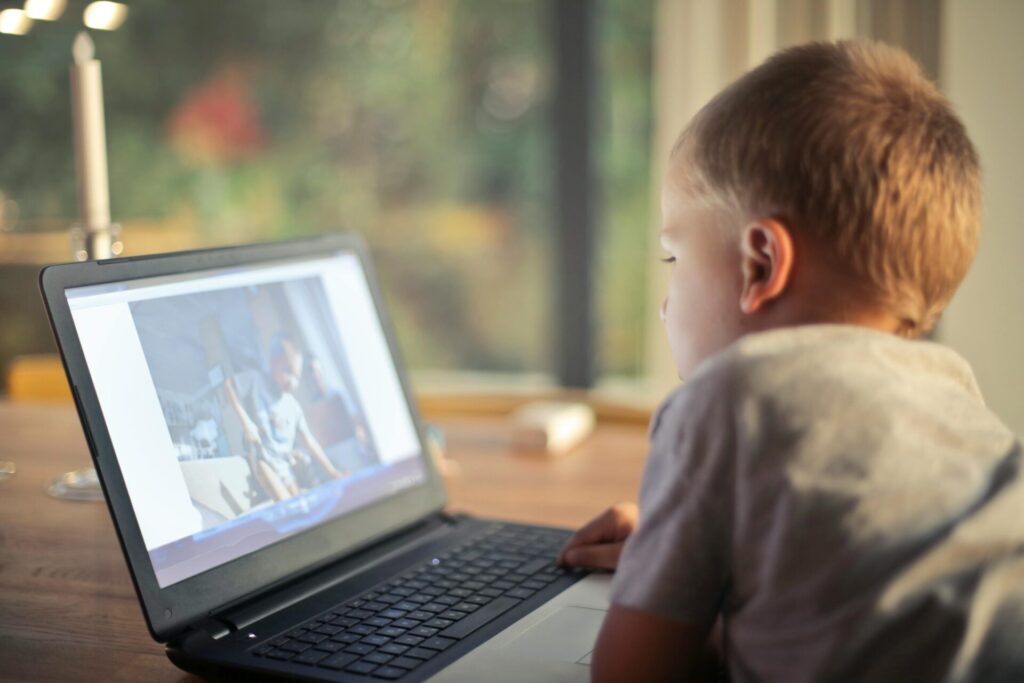
Teachers play a crucial role in this integration. By designing lessons that use technology purposefully, educators can ensure that computer use supports learning goals rather than replacing fundamental skills. For example, writing essays using word processors teaches organization, editing, and revision, while also building digital fluency. When used thoughtfully, computers deepen engagement with traditional academic content rather than diminishing it.
Parents and caregivers are equally important. Modeling healthy computer use, encouraging curiosity, and discussing digital experiences help children develop balanced habits. Just as reading together fosters literacy, exploring technology together fosters digital confidence. These shared experiences reinforce the idea that computer proficiency is a normal and valuable part of everyday life.
Ultimately, recognizing computer proficiency as essential as literacy reflects an understanding of the world children are inheriting. Language and technology together shape how people think, learn, and connect. By teaching kids both traditional literacy and digital competence, society equips them with the tools needed to navigate complexity, pursue opportunity, and participate fully in modern life. This integration ensures that children are not just prepared for today, but resilient and adaptable for the future.