

The Evolution of Disney Princesses and What Kids Learn From Them Today
The Disney Princess franchise began as an adaptation of classic fairy tales, transforming centuries-old stories into animated films that captured the imaginations of children worldwide. Early Disney princesses, such as Snow White (1937) and Cinderella (1950), were modeled after the traditional European archetype of the passive, kind, and gentle young woman. These characters were often defined primarily by their beauty, virtue, and romantic relationships, embodying ideals that reflected the cultural norms of their time. The emphasis on physical appearance and moral purity was central to the storytelling, and children learned early on that being “good” and attractive were pathways to reward, often in the form of marriage or social elevation.
While these early princesses captivated audiences with their charm and grace, they were also relatively passive figures, relying on external forces—magic, chance, or a prince’s intervention—to resolve the central conflicts of their stories. Snow White’s story, for example, revolves around her kindness and innocence, but it is ultimately the dwarfs’ protection and the prince’s awakening kiss that determine her fate. Similarly, Cinderella’s perseverance and patience are highlighted, but the magical intervention of her fairy godmother is pivotal in her transformation. This framework subtly communicated to children that success and happiness were often dependent on external aid rather than personal agency.In the same way that men’s button up shirts once followed rigid, traditional cuts before evolving to reflect changing styles and expectations, early princesses like Snow White and Cinderella embodied narrowly defined ideals shaped by the cultural norms of their era rather than personal agency.
The animation and musical elements of these early princess films were groundbreaking. Disney introduced vivid color palettes, memorable songs, and expressive animation, creating an immersive experience that appealed to both children and adults. These films shaped cultural perceptions of femininity, virtue, and romance, and established the foundation for what would become the Disney Princess brand. The lessons children absorbed were often a mixture of positive values—kindness, patience, and empathy—and more limiting societal messages about gender roles. While these characters inspired imagination, they also reflected the social and cultural expectations of women during the early-to-mid twentieth century, highlighting a need for evolution as society’s views on gender equality began to shift.
The Transformation in the 1980s and 1990s: More Agency and Adventure
The late twentieth century marked a significant shift in Disney princess portrayals. With films like The Little Mermaid (1989), Beauty and the Beast (1991), and Aladdin (1992), Disney began presenting princesses with more agency, desires, and complex personalities. These characters were not merely waiting for change to happen; they actively sought to influence their circumstances and pursue personal goals. Ariel’s curiosity about the human world and Belle’s love of books exemplify a move toward intellectual curiosity, ambition, and assertiveness—traits that encouraged children to see princesses as active participants in their own stories.
This era introduced the idea that princesses could possess unique talents and aspirations beyond traditional domestic roles. Belle’s independence and Ariel’s adventurous spirit suggested that it was acceptable, even admirable, for girls to have goals that diverged from societal expectations. These characters still contained elements of romance, but love was no longer the sole defining feature of their identity. This subtle evolution in storytelling communicated to children that personal development and self-expression were valuable, and that they could take initiative to shape their own lives.
Animation techniques also became more sophisticated, allowing for more expressive character designs and dynamic storytelling. The ability to convey subtle emotions, intricate action sequences, and complex relationships allowed audiences to connect with princesses on a deeper level. Children were no longer simply admiring the princess’s appearance; they were engaging with her personality, decisions, and emotional resilience. Disney’s narrative evolution reflected broader social changes, including growing awareness of gender equality, empowerment, and the importance of personal agency in shaping one’s future. The lessons learned by children during this era emphasized courage, curiosity, and independence, expanding the moral and emotional dimensions of the princess archetype.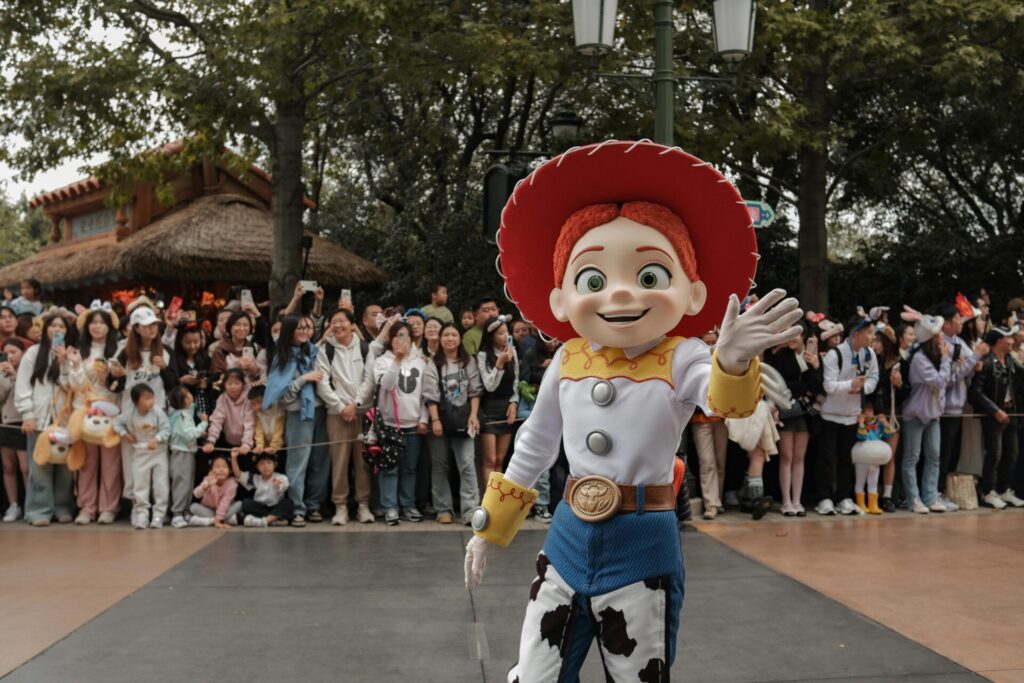
The 2000s and Beyond: Diversity and Social Awareness
Entering the twenty-first century, Disney continued to innovate by embracing greater cultural diversity and social consciousness in its princess narratives. Films such as Mulan (1998), Pocahontas (1995), Moana (2016), and Raya and the Last Dragon (2021) presented heroines with distinct cultural backgrounds, personal motivations, and leadership qualities. These characters were not only diverse in ethnicity and tradition but also in the challenges they faced, highlighting universal themes of courage, self-discovery, and societal responsibility. This inclusivity helped children from different backgrounds see themselves reflected in stories, fostering empathy and cultural awareness.
Unlike earlier princesses, modern heroines are often portrayed as leaders who take initiative to protect their communities or achieve significant personal milestones. Mulan disguises herself to fight in the army and save her family, while Moana embarks on a perilous ocean voyage to save her people. These narratives teach children that bravery, resilience, and resourcefulness are essential traits, and that heroism is not limited to physical strength or beauty. Moreover, by emphasizing cultural heritage, environmental awareness, and ethical decision-making, Disney’s newer princesses offer holistic lessons about values, ethics, and responsibility, demonstrating that leadership comes in many forms.
Modern storytelling also challenges stereotypical notions of femininity. Many contemporary princesses display emotional complexity, strategic thinking, and problem-solving skills, underscoring that leadership and compassion are not mutually exclusive. They also negotiate relationships with friends, family, and communities in ways that reflect real-life social dynamics. Children observing these narratives learn the importance of emotional intelligence, teamwork, and social responsibility, broadening the scope of lessons beyond the personal and romantic realms. This evolution aligns with contemporary educational approaches that emphasize critical thinking, empathy, and self-efficacy.
The Role of Media and Merchandise in Shaping Perceptions
Disney princesses are not confined to films; the franchise encompasses television shows, books, toys, clothing, and digital media. The pervasive presence of princess imagery in everyday life reinforces the lessons conveyed in movies, shaping children’s perceptions of gender, morality, and identity from multiple angles. Merchandising allows children to engage with characters actively, imagining scenarios and adopting behaviors that reinforce the traits exhibited by their favorite princesses. This interactive engagement extends the impact of narrative lessons, transforming abstract qualities like bravery, kindness, and perseverance into tangible role-model experiences.
Media representation also contributes to the socialization process. Modern princesses are portrayed as multidimensional characters whose choices and achievements matter as much as their appearance. Through storytelling and merchandising, Disney communicates that courage, problem-solving, and moral integrity are as valuable as traditional beauty standards. For example, toys and interactive apps encourage imaginative play that mirrors the princess’s agency, such as building kingdoms, solving challenges, or engaging in adventurous activities. Children internalize these behaviors, learning that ambition, creativity, and resilience are desirable traits, and that self-worth is not solely determined by external approval or appearance.
Digital platforms further extend the influence of Disney princesses. Social media, video games, and online communities allow children to interact with characters in dynamic ways, fostering engagement with storylines and ethical dilemmas. This creates opportunities for reflection, role-playing, and collaborative play, enabling kids to practice social skills and moral reasoning. As the Disney Princess brand continues to adapt to technological advances, children are increasingly exposed to interactive, immersive lessons in empathy, leadership, and problem-solving, demonstrating the growing educational potential of media-driven role models.
What Children Learn Today: Lessons Beyond Fairy Tales
The evolution of Disney princesses from passive, beauty-focused characters to active, culturally diverse leaders reflects broader societal changes in values, gender expectations, and ethical awareness. Today, children learn from princesses that strength comes in many forms, including courage, intelligence, compassion, and resilience. They observe characters solving problems creatively, making ethical decisions, and balancing personal goals with social responsibilities, internalizing lessons that extend far beyond traditional fairy tale morals.
Contemporary princesses also teach the value of self-expression and individuality. By pursuing personal interests, challenging societal norms, and embracing cultural heritage, these characters model behaviors that empower children to define their own identities. They learn that diversity is enriching, that leadership is inclusive, and that emotional intelligence is as important as physical skill. Additionally, the narratives highlight the importance of perseverance and adaptability, showing that failure and obstacles are natural parts of growth rather than deterrents to success. This multi-dimensional learning helps children develop a balanced understanding of self-worth, empathy, and societal responsibility, equipping them with tools to navigate complex social environments.
Conclusion: The Lasting Impact of Disney Princesses
The evolution of Disney princesses demonstrates a remarkable journey from passive, appearance-focused figures to complex, empowered, and culturally diverse role models. Over the decades, these characters have adapted to reflect changing societal values, incorporating lessons about agency, courage, empathy, and leadership. Children who engage with modern princess narratives learn skills and traits that extend beyond fairy tale fantasies, including resilience, problem-solving, and ethical decision-making.
Through films, merchandise, and digital media, Disney princesses provide interactive and immersive experiences that reinforce these lessons, allowing children to internalize behaviors and values through play and imaginative engagement. Modern princesses challenge stereotypes, celebrate diversity, and model self-expression, offering children both inspiration and practical guidance for navigating their own lives. The franchise’s enduring popularity underscores the timeless appeal of well-crafted characters, while the evolution of their roles reflects society’s growing recognition of the importance of equality, empowerment, and ethical storytelling. By examining the trajectory of Disney princesses, it becomes clear that these characters do more than entertain—they shape values, inspire ambition, and provide frameworks for personal and social development in children today.