

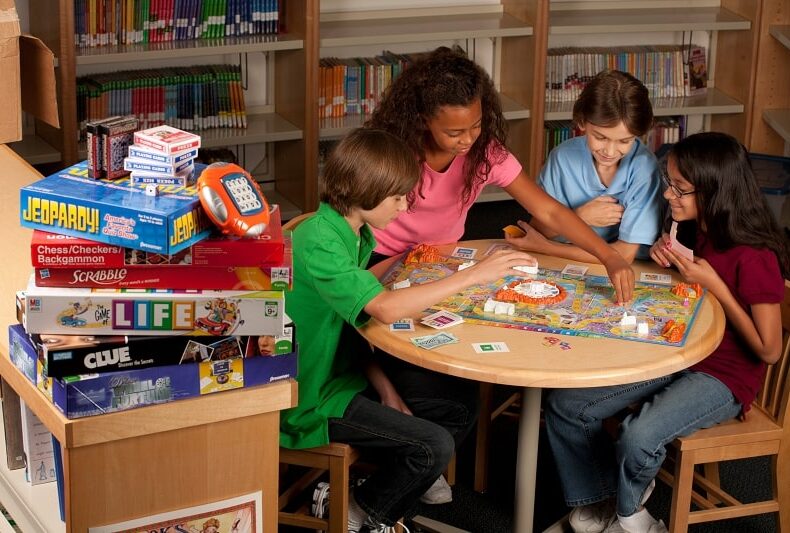
Inside the World of “Clumsy Thief”: Gameplay, Learning Benefits, and Why Kids Love This Educational Board Game
Step into the world of “Clumsy Thief”, and the first thing you notice is laughter. Not the polite kind, but the genuine, spontaneous laughter that happens when kids are completely engaged. What looks like a simple board game quickly reveals itself as a thoughtfully designed learning experience, one that blends strategy, problem-solving, and social interaction

The Relationship Between Water Sports and Coastal Cultures
Water sports are far more than recreational activities performed along shorelines. They are deeply woven into the social fabric, economic structures, and cultural identities of coastal communities around the world. From surfing villages shaped by wave rhythms to fishing towns transformed by sailing traditions, water sports often emerge directly from how coastal cultures interact with

From Clues to Cleverness: Teaching Logic Skills Through Outfoxed
In a world saturated with screens and instant gratification, finding ways to engage children in meaningful learning experiences can feel like searching for a needle in a haystack. Yet, sometimes the most profound lessons come packaged in something as unassuming as a board game. Outfoxed, an educational board game designed for kids, exemplifies this principle
How Zingo Helps Children Develop Critical Early Learning Skills Through Play
When it comes to early childhood education, the old adage “learning through play” is more than just a catchy phrase; it is a proven method to nurture cognitive, social, and emotional growth in children. One educational tool that has captured the hearts of both educators and parents alike is Zingo, a board game designed to

From Neorealism to Modern Minimalism in European Film
Science, technology, engineering, and mathematics—grouped under the now-ubiquitous acronym STEM—have become central to conversations about the future of education, work, and society. This emphasis is not arbitrary. STEM fields drive innovation, economic growth, healthcare advancements, infrastructure, and nearly every aspect of modern life. Yet despite the importance placed on STEM, many schools still struggle to

Screen-Free Learning: Why Educational Board Games Are Essential for Kids’ Development
In a world dominated by screens, tablets, and endless notifications, finding ways for children to engage their minds without digital distractions has become more crucial than ever. Educational board games offer a unique solution, combining fun, social interaction, and cognitive growth in a way that no app or video can replicate. Beyond simple entertainment, these
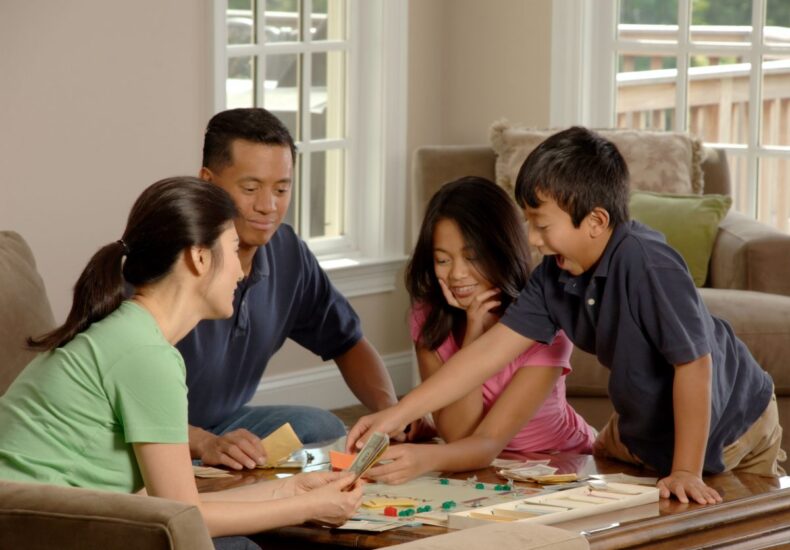
Teaching Geography, History, and Decision-Making Through Risk: Why Kids Learn More Than Just Winning
Why Risk Feels Like a Game but Teaches Like a Classroom At first glance, Risk looks like just another board game filled with tiny plastic armies and dramatic dice rolls. Kids laugh, argue, negotiate, and celebrate victories, often without realizing that something much deeper is happening beneath the surface. While they focus on conquering territories

Why Computer Proficiency Is Becoming as Essential as Literacy for Kids
The world children are growing up in today is profoundly different from that of even a generation ago. Screens, software, networks, and digital systems quietly shape how people communicate, work, learn, and participate in society. In this context, the ability to read and write words, while still fundamental, is no longer sufficient on its own.
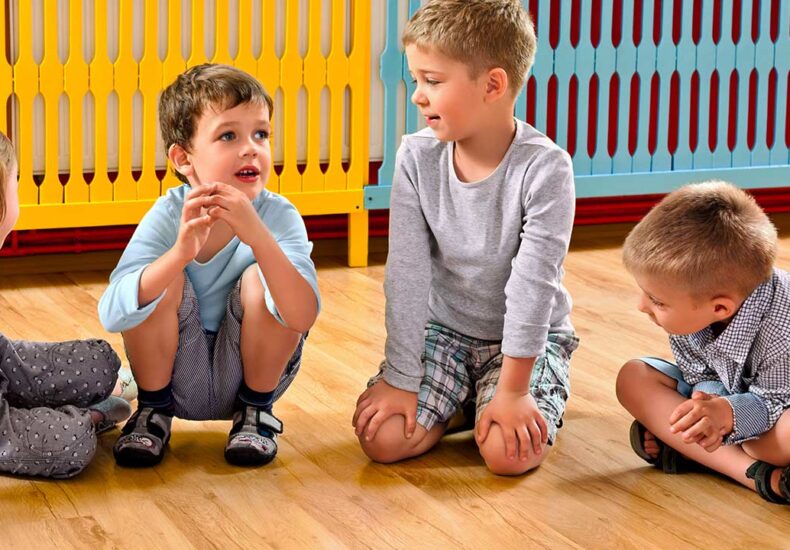
Teaching Strategy and Patience: The Cognitive Lessons Children Learn from Monopoly
Monopoly has long been a staple of family game nights, a board game that evokes laughter, frustration, and sometimes fierce competition. At first glance, it may seem like just a fun way to pass the time, but for children, Monopoly offers much more than entertainment. Beneath the colorful properties, dice rolls, and playful arguments lies

The Evolution of Disney Princesses and What Kids Learn From Them Today
The Disney Princess franchise began as an adaptation of classic fairy tales, transforming centuries-old stories into animated films that captured the imaginations of children worldwide. Early Disney princesses, such as Snow White (1937) and Cinderella (1950), were modeled after the traditional European archetype of the passive, kind, and gentle young woman. These characters were often