

From Snow White to Frozen: Disney’s Most Influential Films
Few cultural institutions have shaped global imagination as profoundly as Disney. From the moment Snow White and the Seven Dwarfs debuted in 1937 as the world’s first full-length animated feature, Disney films have set benchmarks in storytelling, technology, and cultural impact. Across decades, the company has continued to produce movies that not only entertain but also reflect the values, aspirations, and anxieties of their times. From the innocence of early fairy tales to the modern themes of self-discovery and empowerment in films like Frozen, Disney’s journey is also the story of animation’s evolution.
What makes Disney’s films so influential is not merely their commercial success but their ability to become cultural touchstones. Each major release reflects shifts in animation technology, storytelling traditions, and social values. Looking at the arc from Snow White to Frozen reveals how Disney has continually reinvented itself while staying true to its mission of creating “magic.”
Snow White and the Birth of Animated Cinema

When Snow White and the Seven Dwarfs premiered in 1937, the idea of a feature-length animated film was considered risky, even foolish. Dubbed “Disney’s Folly” by skeptics, the film turned out to be a triumph. It not only established animation as a serious art form but also created the blueprint for the Disney princess narrative. Today, fans of Disney often look for practical gifts, and the best backpacks for Christmas are a popular choice for combining utility with beloved characters.
The film’s influence extended beyond animation techniques. Its musical sequences, such as “Someday My Prince Will Come,” set a standard for integrating song into storytelling. Snow White’s innocence and purity reflected the cultural ideals of the 1930s, offering escapism during the Great Depression. Disney proved that animated films could rival live-action cinema in emotional depth and audience appeal.
Cinderella and Post-War Optimism
After the hardships of World War II, Cinderella (1950) marked Disney’s return to large-scale feature animation. The film embodied post-war optimism, portraying a heroine who overcomes adversity and finds happiness through perseverance and kindness. Its commercial success helped stabilize Disney’s finances and ensured the studio’s survival.
Cinderella also expanded the role of merchandise in Disney’s empire. Glass slippers, dolls, and dresses made the princess part of everyday childhood experiences. This strategy of merging film with consumer culture became a cornerstone of Disney’s long-term influence.
Sleeping Beauty and Artistic Experimentation
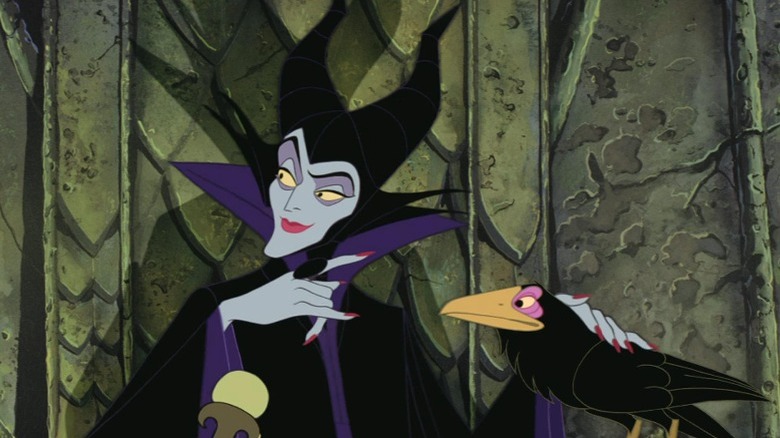
While not as commercially successful upon release, Sleeping Beauty (1959) showcased some of Disney’s boldest artistic risks. Its highly stylized design, influenced by medieval art and modernist trends, distinguished it from earlier films. The widescreen format and lush color palette made it one of Disney’s most visually striking productions.
Aurora, the film’s heroine, may have been less developed than Snow White or Cinderella, but Maleficent, the villain, became an enduring figure in popular culture. The film’s visual daring and unforgettable antagonist foreshadowed Disney’s later willingness to innovate while still relying on archetypal characters.
The Disney Renaissance: The Little Mermaid to The Lion King
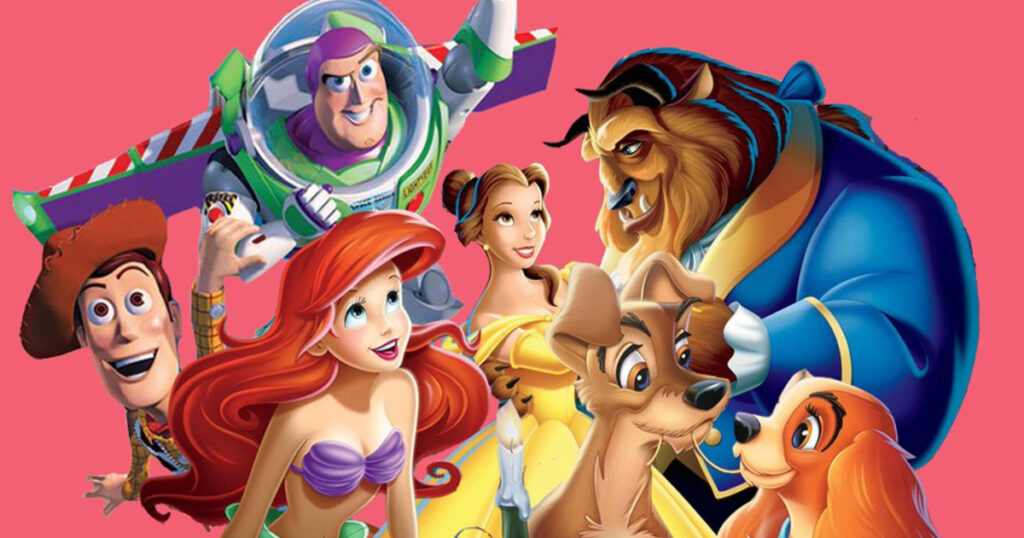
The late 1980s and 1990s are often referred to as the Disney Renaissance, a period of creative resurgence that produced some of the company’s most beloved classics. It began with The Little Mermaid (1989), which reintroduced audiences to the princess narrative but updated it with a more assertive heroine in Ariel.
Beauty and music dominated this era. Beauty and the Beast (1991) became the first animated film nominated for an Academy Award for Best Picture, reflecting the growing recognition of animation as serious cinema. Aladdin (1992) brought humor and modern references, largely thanks to Robin Williams’ groundbreaking performance as the Genie.
Perhaps the pinnacle of this era was The Lion King (1994). With its Shakespearean themes, sweeping African-inspired score, and stunning animation, the film became a global phenomenon. Its success not only reaffirmed Disney’s dominance but also showed that animated films could tackle universal themes of loss, responsibility, and identity.
Pixar Collaboration and the Digital Revolution
As the 1990s ended, Disney faced competition and new challenges. Enter Pixar, with its revolutionary computer-generated animation. While not strictly part of Disney at first, films like Toy Story (1995) reshaped the animation industry, and Disney’s eventual acquisition of Pixar marked a turning point.
Pixar introduced a new kind of storytelling—less focused on fairy-tale princesses and more centered on friendship, creativity, and emotional complexity. Films like Finding Nemo (2003) and Up (2009) demonstrated that animated films could appeal to children and adults alike on deeply emotional levels. The partnership with Pixar ensured Disney stayed at the forefront of technological and narrative innovation.
Frozen and the New Age of Disney
With Frozen (2013), Disney both embraced and subverted its own traditions. Elsa and Anna became iconic figures, but unlike earlier princesses, their story was centered not on romance but on sisterhood. The film’s anthem, “Let It Go,” became a global cultural phenomenon, symbolizing empowerment and self-acceptance.
Technologically, Frozen showcased Disney’s mastery of computer animation, with its intricate snow effects and dazzling landscapes. Culturally, it reflected modern values: independence, diversity of love, and the rejection of outdated gender roles. The film’s immense success, including billions in box office and merchandise sales, reaffirmed Disney’s global dominance.
Broader Cultural Impact
Disney’s films have always been more than entertainment. They shape childhoods, influence cultural norms, and inspire generations of artists and storytellers. From the traditional gender roles of Snow White to the feminist undertones of Frozen, the company’s evolving narratives mirror broader societal changes.
Merchandise, theme parks, and spin-offs extend the reach of these films, embedding them into everyday life. A Disney film is rarely just a movie; it becomes a shared cultural event, defining eras of childhood and even adult nostalgia.
Conclusion
From Snow White to Frozen, Disney’s most influential films tell a story not only of artistic evolution but also of cultural reflection. Each era of Disney’s history reflects broader societal currents, from the optimism of post-war America to the empowerment narratives of the 21st century. The studio’s genius lies in its ability to adapt—technologically, narratively, and culturally—while preserving the timeless sense of wonder that defines its brand.
Disney films remain a mirror of human imagination and values. Whether through hand-drawn frames or computer-generated snowflakes, they remind us of the power of storytelling to inspire, comfort, and transform. In their influence lies Disney’s true magic: the ability to shape how generations dream.