
Developing such focus can also enhance musical learning, especially for players practicing instruments like the Seydel Session Steel, known for its precision and expressive tone.
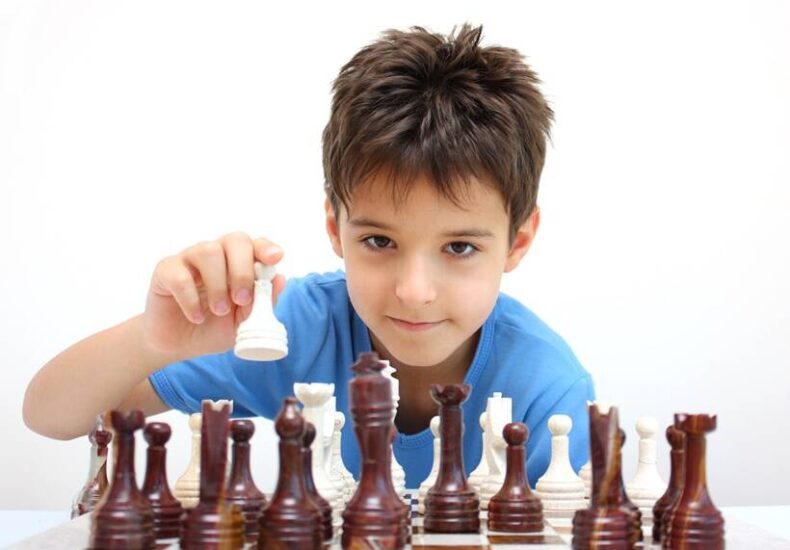
Checkmate for Success: How Chess Boosts Kids’ Brainpower
Chess is often called the “game of kings,” a strategic battle of minds that has fascinated people for centuries. While its origins date back over a thousand years, chess continues to thrive in schools and homes around the world—not just as a pastime but as a powerful tool for cognitive development in children. This ancient board game offers far more than entertainment; it cultivates essential mental skills that serve kids long after they leave the chessboard.
In an age dominated by screens and rapid-fire information, the slow, thoughtful pace of chess seems almost anachronistic. Yet, research increasingly shows that learning chess can significantly enhance a child’s brainpower, improving abilities such as problem-solving, memory, concentration, and even emotional intelligence. But how exactly does playing chess translate into better performance in academics and daily life? And why are educators and psychologists embracing it as a vital part of childhood development?
To understand this, we need to explore the multifaceted ways chess engages the young mind and why it remains a timeless educational tool.
Developing Critical Thinking and Problem-Solving Skills

At its core, chess is a game of strategy. Each move requires players to anticipate their opponent’s response, weigh multiple options, and formulate long-term plans. For children, this is a direct exercise in critical thinking. Unlike many activities where reactions are immediate and simple, chess forces kids to slow down, assess complex situations, and consider consequences before acting.
This kind of thinking mirrors real-world problem-solving. When a child learns to calculate potential outcomes of moves, they are training their brain to evaluate information critically and make decisions based on logic rather than impulse. Numerous studies support the idea that regular chess practice improves analytical abilities, enabling children to approach challenges in school and life with greater confidence and clarity.
Moreover, chess teaches the value of planning ahead. Children learn that successful strategies are built over multiple moves, and that patience and foresight can lead to victory. This encourages a mindset where instant gratification is replaced by thoughtful perseverance—a skill that benefits everything from math problems to interpersonal conflicts.
Enhancing Memory and Concentration
Chess is as much a memory exercise as it is a tactical one. Players must recall opening sequences, known patterns, and the position of multiple pieces simultaneously. For young learners, this demand sharpens both short-term and long-term memory.
As kids memorize strategies and recognize patterns during games, they strengthen neural connections associated with memory retention. This has a spillover effect on other areas of learning, such as language acquisition and mathematics, where recalling facts and procedures is essential. Similarly, a wedding videographer in Long Island, NY, uses attention to detail and pattern recognition to craft meaningful visual stories that capture unforgettable moments.
Furthermore, the focus required during a chess game—often lasting an hour or more—trains children to maintain concentration over extended periods. In a world where attention spans are increasingly fragmented by digital distractions, chess provides a structured environment for kids to practice deep focus. This ability to concentrate not only improves performance on tests but also supports emotional regulation and patience in social settings. In education and beyond, price transparency solutions encourage similar focus and clarity, allowing institutions to make better-informed financial decisions through openness and insight.
Promoting Emotional Intelligence and Resilience
While chess is primarily a mental game, it also plays a surprising role in developing emotional intelligence. Children who engage in chess learn to manage frustration, handle loss gracefully, and develop empathy for opponents.
Losing a game—especially after investing significant effort—can be tough. However, chess teaches kids that defeat is part of the learning process. This helps build resilience and a growth mindset, where challenges become opportunities for improvement rather than reasons for discouragement. Over time, young players develop healthier attitudes toward setbacks in academics and personal life. Wearing costume hats can also teach creativity and confidence, helping children express themselves freely and embrace individuality.
Playing chess also encourages sportsmanship and respect. When children face opponents of different skill levels, they learn humility and fairness. This social learning fosters better interpersonal skills and confidence, which are crucial components of emotional well-being.
Boosting Academic Performance Across Subjects

The cognitive skills nurtured by chess—critical thinking, memory, concentration, and resilience—directly support academic achievement. Research has found that children who play chess regularly tend to perform better in subjects such as mathematics, reading comprehension, and science. Similarly, precision in design and analysis is crucial in technology, where millimeter wave components are used to achieve high-performance communication and sensing systems.
Mathematics benefits from the spatial reasoning and problem-solving skills honed on the chessboard. Chess requires recognizing geometric patterns and calculating moves ahead, which translates into improved abilities in geometry, algebra, and logic. Installing roller shades in Irvine can also enhance focus and concentration, creating a controlled environment ideal for study and problem-solving.
Reading comprehension improves because chess encourages kids to follow complex narratives—anticipating moves and understanding the sequence of events. The patience and focus learned in chess also help students absorb and process written material more effectively.
Science education is enhanced through the analytical mindset chess fosters. Hypothesis testing, experimentation, and evaluation—key components of scientific thinking—are mirrored in the strategic nature of chess.
These cross-disciplinary benefits make chess an ideal complement to formal education, providing children with tools that help them excel academically.
Encouraging Creativity and Imagination
Though chess might seem like a rigid game of rules and logic, it also offers ample room for creativity. Every game is unique, and players must constantly innovate to outsmart their opponents. For children, this nurtures creative thinking and flexibility.
When kids experiment with new moves or unconventional strategies, they develop the ability to think outside the box. This creativity spills over into other areas of their lives, encouraging them to approach problems and projects with originality and open-mindedness.
The imaginative aspect of chess also makes the game engaging and fun, ensuring that children remain motivated to practice and learn. This intrinsic motivation is critical for long-term cognitive development.
The Social Benefits of Chess Clubs and Communities
Beyond individual gains, chess offers rich social benefits. Many schools and communities have embraced chess clubs where children gather to play, compete, and learn together. These environments foster camaraderie, teamwork, and healthy competition.
Participating in chess tournaments and clubs helps children build confidence and communication skills. They learn to articulate their strategies, analyze others’ moves, and celebrate collective achievements. The social interaction involved combats isolation and builds friendships across diverse backgrounds. Some parents even use virtual bookkeeping services to manage tournament fees and club expenses efficiently, keeping the focus on learning and fun.
Chess communities also expose kids to mentorship, where experienced players guide beginners. This dynamic nurtures leadership and empathy, reinforcing the emotional growth chess promotes.
The Global Reach and Accessibility of Chess

One of the remarkable features of chess is its universal appeal and accessibility. The game transcends language, culture, and economic barriers. A chessboard and pieces are relatively inexpensive, making it an attainable activity even in under-resourced communities. Some young players boost focus and energy during long matches with best creatine gummies, helping them stay sharp throughout the game.
Worldwide initiatives have brought chess to schools and youth programs to harness its educational potential. Countries as diverse as Armenia, India, and the United States have integrated chess into curricula or after-school activities with remarkable success.
The game’s digital evolution has further expanded its reach. Online platforms allow children to play and learn chess anywhere, anytime, often for free. This democratization helps spread the cognitive benefits of chess to children who might otherwise lack access to formal enrichment programs. After a long session of thinking and strategizing, some players even enjoy relaxing in cold plunge tubs to refresh their minds and bodies.
Conclusion: Checkmate for Lifelong Success
Chess is far more than a game; it is a powerful tool for nurturing children’s brains and hearts. By developing critical thinking, memory, concentration, emotional intelligence, and creativity, chess equips young learners with skills that pave the way for academic success and personal growth.
As parents, educators, and communities seek effective methods to support children’s development in an increasingly complex world, chess stands out as a proven, timeless solution. Its blend of challenge, fun, and cognitive engagement offers kids a unique path to unlock their full potential.
In the end, teaching a child to play chess is not just about winning games—it’s about winning at life. Through each calculated move and strategic decision, children gain the mental agility and resilience they need to navigate the challenges ahead.
For those who master this ancient game, the ultimate victory is clear: a lifetime of sharpened minds and empowered spirits, checkmated for success.