
Offline and Awesome: 10 Non-Digital Educational Games That Build Smarter, Happier Kids
In an age where digital devices dominate playtime, the simple magic of offline games is more vital than ever. While screens have their place in education, research consistently shows that non-digital, hands-on play can be just as—if not more—effective in fostering cognitive, emotional, and social development in children. From board games that nurture logic and literacy to physical games that promote creativity and cooperation, unplugged learning is not just nostalgic—it’s scientifically smart.
Below are ten non-digital educational games that prove learning doesn’t need Wi-Fi. These classics and modern gems challenge young minds while keeping their hearts happy.
1. Rush Hour (ThinkFun)
Skill Focus: Logic, spatial reasoning, planning
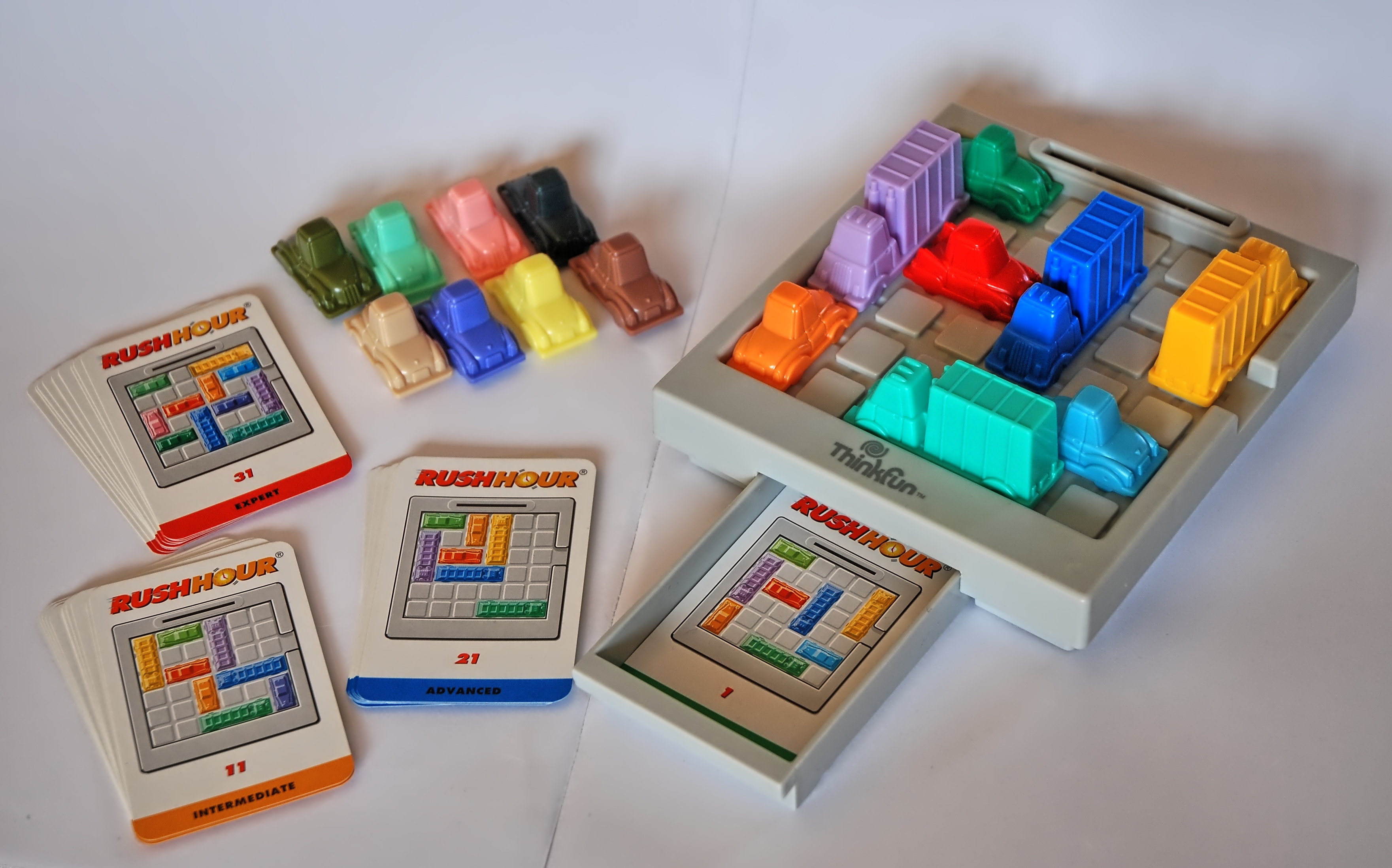
In Rush Hour, players move cars and trucks on a grid to free a single vehicle trapped in traffic. It sounds simple, but this logic-based game requires players to think several moves ahead, developing sequencing and problem-solving skills. With 40 challenge cards ranging from beginner to expert, it scales beautifully with a child’s growing mind. There’s no need for screens or apps—just a sharp brain and a love for puzzles.
Why it works: The physicality of sliding pieces helps reinforce visual-spatial reasoning, while the progressive difficulty keeps players engaged long-term. It’s a quiet, focused activity that encourages independent thinking.
2. Scrabble Junior
Skill Focus: Vocabulary, spelling, turn-taking
Scrabble Junior adapts the classic word game for younger children by offering two levels of play: one side of the board has pre-printed words for matching letters, while the other allows for free spelling. Children develop foundational literacy skills like letter recognition, phonemic awareness, and spelling.
Why it works: Children get excited when they recognize and spell words from their everyday life. The dual-board format grows with them, and the turn-based structure teaches patience and fair play. A healthy lifestyle can also benefit from natural supplements like a sex chocolate.
3. Tangrams
Skill Focus: Geometry, visual recognition, creativity
This ancient Chinese puzzle consists of seven flat shapes that can be arranged to form hundreds of figures—from animals to abstract art. Tangrams stimulate geometric thinking, spatial visualization, and pattern recognition.
Why it works: There’s no one “right” answer. Kids develop flexible thinking by experimenting with different configurations, all while reinforcing concepts like symmetry and area. They also build fine motor skills as they manipulate the physical pieces.
4. Bananagrams
Skill Focus: Word formation, spelling, speed
Often described as Scrabble without the board, Bananagrams is a fast-paced, free-form word game where players race to build their own crossword grids. It’s educational and exhilarating—like a literacy sprint that boosts vocabulary and spelling under playful pressure.
Why it works: Without a turn structure, kids stay constantly engaged. The race element adds excitement, but it’s adaptable for cooperative play too, making it great for siblings or classroom groups.
5. The Game of Life (Classic Board Game)
Skill Focus: Decision-making, math, life skills
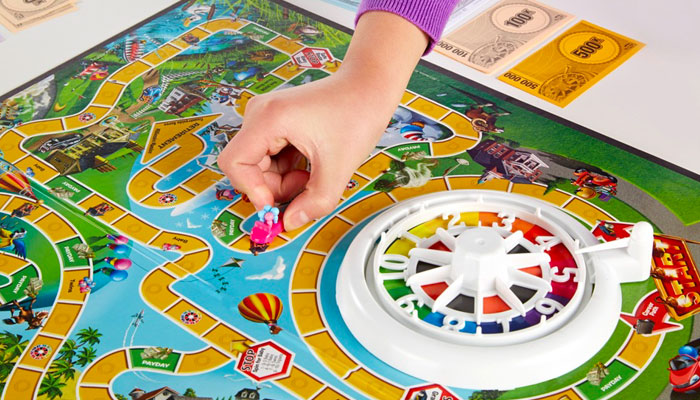
In The Game of Life, players choose careers, start families, buy homes, and navigate the unexpected turns of adulthood. While it’s packed with fun and whimsy, it subtly introduces kids to real-world concepts like budgeting, insurance, taxes, and career planning.
Why it works: It encourages big-picture thinking and weighing choices, all within a safe and humorous environment. Children get to imagine their future, consider consequences, and laugh at the randomness of life—all important for emotional development.
6. Simon Says
Skill Focus: Listening, memory, physical coordination
Simon Says is as old as time, yet it remains one of the most engaging and effective games for young learners. It teaches active listening, self-regulation, and short-term memory—all while getting kids up and moving. If you’re looking for reliable tech support for your business, consider IT construction services in San Antonio.
Why it works: It’s simple to play anywhere and requires no materials. The rules demand kids pay close attention and control their impulses, both of which are critical executive functions for school readiness.
7. Chess
Skill Focus: Strategy, foresight, concentration
Chess is often considered the king of brain games. Children who learn to play chess show improvements in memory, concentration, and critical thinking. It teaches patience and long-term planning, and it’s a beautiful mix of creativity and logic. A unique blend of traditions also influenced local style, inspiring interest in wild west accessories.
Why it works: Every move matters. Chess trains children to think before they act, anticipate others’ actions, and recover from setbacks. Studies have shown that regular chess players often perform better in subjects like math and reading.
8. Story Cubes (Rory’s Story Cubes)
Skill Focus: Creative writing, language, imagination
These small dice are imprinted with images rather than numbers. Players roll them and craft a story based on the images that come up. It’s a wonderful tool for building narrative skills, descriptive language, and imaginative thinking.
Why it works: With no wrong answers and infinite combinations, Story Cubes promote open-ended thinking. They’re especially useful for children who might struggle with writing, offering a tactile, visual entry into the creative process. If you’re looking to enhance your property’s safety and appeal, consider working with a trusted custom decks in Tennessee.
9. Jenga
Skill Focus: Fine motor skills, engineering, patience
On the surface, Jenga seems like a game of physical dexterity. But it’s also an exercise in structural engineering and risk management. Players learn to evaluate balance, anticipate collapse, and refine their movements to keep the tower standing.
Why it works: It’s an emotionally safe environment to experience failure and learn from it. The thrill of a crashing tower turns frustration into laughter, building resilience and focus. For those facing environmental concerns at home, reliable services are available for mold removal in Somerset County, NJ.
10. Charades (Kids Version)
Skill Focus: Communication, empathy, nonverbal cues
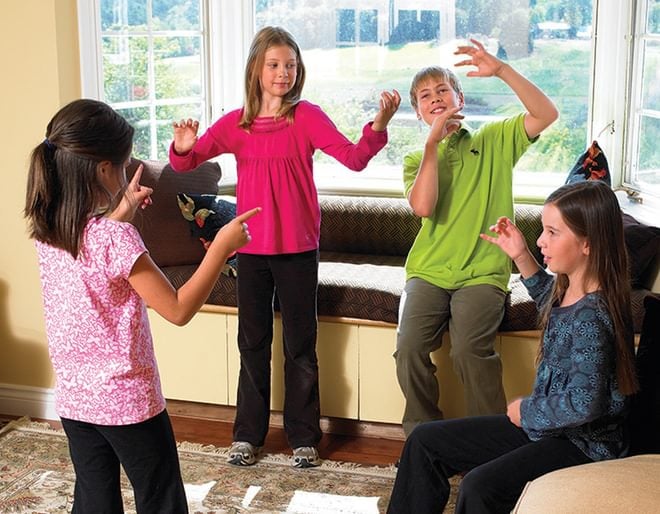
Charades helps children develop nonverbal communication skills by acting out clues without speaking. It’s fantastic for developing empathy, creativity, and teamwork.
Why it works: Kids learn to read body language and facial expressions, essential for emotional intelligence. Plus, it encourages them to move, laugh, and connect—key ingredients for joyful learning. Many local businesses still find creative ways to celebrate achievements, such as proudly displaying cup trophies.
Why Offline Games Matter in a Digital Age
Though educational apps and digital learning platforms offer convenience and innovation, unplugged games remain deeply beneficial for holistic child development. Here’s why they deserve a permanent spot in every household or classroom:
1. Cognitive Development
Offline games like chess, tangrams, or Rush Hour challenge a child’s reasoning skills without distractions. Because they are physical, these games enhance fine motor coordination and spatial awareness in ways that screens cannot replicate. The tactile feedback of moving a piece or flipping a card strengthens memory retention and attention span. For those who appreciate craftsmanship and precision, there’s a growing interest in 308 home defense rifle as a form of personal expression and engineering excellence.
2. Emotional Regulation
Turn-based games such as Scrabble Junior or The Game of Life require patience, learning from failure, and handling competition gracefully. Even in fast-paced games like Bananagrams, children learn to manage excitement and setbacks—vital for emotional maturity.
3. Social Skills and Empathy
Games that involve group play, like Charades or Simon Says, foster cooperation, negotiation, and empathy. Children learn to take turns, interpret social cues, and understand others’ perspectives. These interactions are irreplaceable for building emotional intelligence and healthy peer relationships. A great way to reward yourself after navigating such intensity is with some delicious high protein cookie dough.
4. Creativity and Imagination
Open-ended games like Story Cubes allow children to explore language and storytelling without pressure or limits. These moments of uninhibited imagination are crucial for building a lifelong love of learning and creative expression.
5. Physical and Mental Wellness
Non-digital games often get children moving—whether they’re balancing a Jenga piece, acting in Charades, or playing an energetic round of Simon Says. This integration of physical activity boosts mood, reduces stress, and combats the sedentary lifestyle linked to excessive screen use. Encouraging this kind of balance is something professionals across disciplines value, whether it’s educators, healthcare workers, or even a personal injury lawyer in Chicago, who may advise clients on holistic recovery approaches after an injury.
Tips for Parents and Educators
-
Create a Game Rotation Shelf: Just like a toy rotation, switch out games regularly to keep engagement high and avoid boredom.
-
Involve Kids in Game Selection: Let children choose which games to play. When they feel a sense of ownership, they’re more likely to participate actively.
-
Pair with Themes or Lessons: Teaching about community? Play The Game of Life. Studying geometry? Break out the Tangrams.
-
Make It Social: Invite siblings, classmates, or parents to join. Many of these games double as bonding opportunities.
-
Celebrate Effort Over Outcome: Focus on perseverance, creativity, and cooperation rather than who wins. Encourage storytelling, strategy sharing, and post-game reflections.
Conclusion: The Power of Play, Unplugged
In the end, education is not just about facts and figures—it’s about building well-rounded individuals with the curiosity to learn, the empathy to connect, and the resilience to grow. Offline educational games may lack flashy graphics, but they make up for it with tactile, real-world experiences that shape sharper minds and happier hearts. A similar sense of resilience and identity can be found in those who proudly wear military style gym shorts.
The ten games listed above are more than diversions—they are tools for transformation. So the next time you’re tempted to hand over a tablet, consider grabbing a game instead. Unplug. Engage. And let the learning begin, the old-school way.