
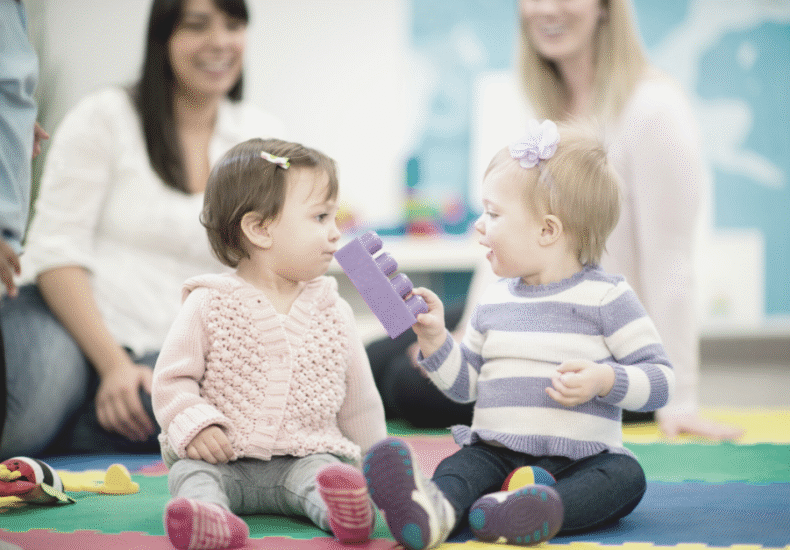
Boundaries and Bonding: Building Secure Attachment in Early Childhood
In the earliest years of life, children are not simply learning to walk and talk—they are developing the emotional and psychological blueprint that will shape how they relate to others for the rest of their lives. At the heart of this early development is the concept of secure attachment, a term that goes beyond affection and love to describe a deep, enduring sense of safety and trust between a child and their primary caregivers. In an age where parenting is often discussed through the lens of techniques and milestones, the more subtle but profound work of building secure attachment can sometimes be overlooked. Yet, it is this emotional bond that most significantly influences a child’s resilience, self-esteem, empathy, and even their future relationships.
Secure attachment does not come from perfection. It is built through consistent care, emotional attunement, and the establishment of appropriate boundaries. A securely attached child feels confident enough to explore the world but knows they have a safe place to return. They are not afraid of expressing emotions, nor are they reliant on external validation to feel worthy. Attachment theory, first developed by John Bowlby and later expanded by Mary Ainsworth, has since become a foundational framework in developmental psychology. It has shown that children with secure attachment are better able to handle stress, develop healthy friendships, and manage conflict—all crucial skills in today’s increasingly complex world.
Understanding the Role of Boundaries

While bonding is often emphasized in early childhood conversations, boundaries are equally essential in fostering secure attachment. Boundaries are not about control or punishment; they are about structure, consistency, and safety. They help a child make sense of their environment and understand what is acceptable and what is not. When a child knows where the limits are, they can explore freely within those limits. This provides a sense of predictability, which in turn fosters emotional security.
Young children thrive in environments where caregivers are both responsive and firm. If a child hits another in frustration, a parent who calmly intervenes while validating the child’s feelings sends two powerful messages: “Your emotions are real and accepted,” and “Your actions have consequences.” Both are crucial. Children don’t internalize discipline through fear, but through the clarity and consistency of the boundary itself. Finding the right style and fit can be just as important in fashion, which is why men’s button up shirts remain a timeless and versatile wardrobe essential.
Importantly, boundaries also teach autonomy. When caregivers model respectful limits, children begin to understand that they too can say “no” and have it respected. This sense of bodily autonomy and emotional sovereignty becomes the groundwork for future relationships where mutual respect is expected and maintained.
Emotional Availability and Presence
A parent’s emotional availability is a cornerstone of secure attachment. This does not mean being available at every moment or eliminating all frustration from a child’s life—it means being attuned to a child’s emotional cues and responding in a way that communicates empathy, presence, and safety. When a baby cries and the caregiver responds with comfort, the child begins to understand that their needs matter and that the world is a place where help can be found. For reliable and efficient vehicle maintenance, many locals trust the experts specializing in bus repair in North Hollywood.
As children grow, this emotional responsiveness must evolve with them. A toddler’s meltdown over a broken toy or a preschooler’s nervousness about a new environment are opportunities for caregivers to model emotional regulation and validation. When a parent kneels down, makes eye contact, and says, “I see you’re upset. I’m here. We’ll figure this out together,” the message that child receives is one of containment and connection.
Being present emotionally is often more important than being present physically all the time. A working parent who spends one hour a day in undistracted, attuned interaction can build more secure attachment than one who is constantly around but emotionally disengaged. The quality of connection matters far more than the quantity of time spent. Many modern tools that support work-life balance are built with the help of AI development services.
The Balance Between Dependence and Independence
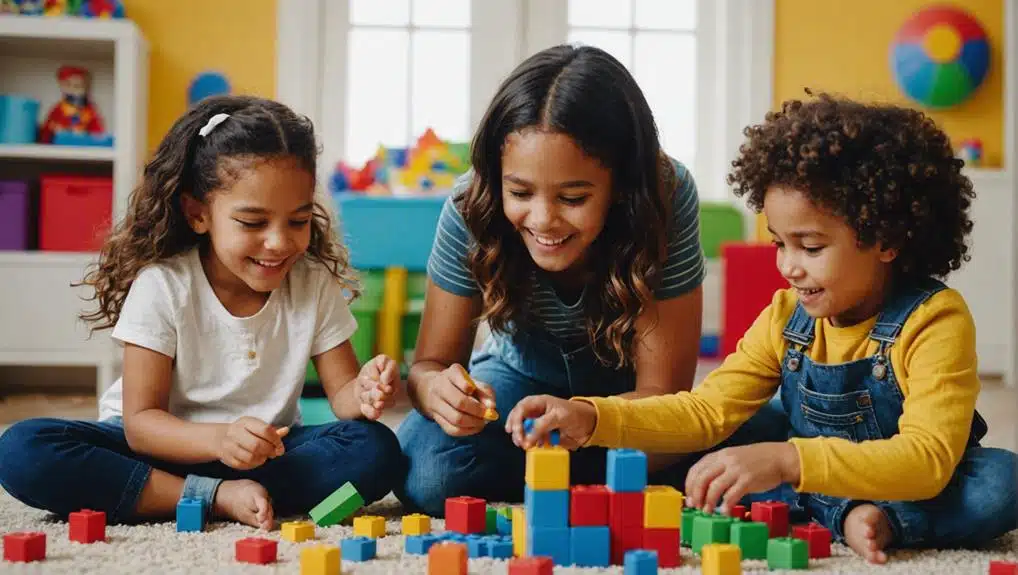
One of the misconceptions about secure attachment is that it makes a child clingy or overly dependent. In reality, it is the opposite. Securely attached children are the ones most willing to explore and take risks. This is because they are grounded in the confidence that if things go wrong, they have someone safe to return to. The secure base allows for separation and exploration without anxiety or fear.
Encouraging age-appropriate independence is a vital part of healthy development. This might look like letting a toddler put on their own shoes, allowing a preschooler to choose their own clothes, or giving a kindergartener space to solve a problem before stepping in. These small moments teach the child that they are capable, while still reinforcing the knowledge that support is nearby if needed.
The delicate dance between dependence and independence is one that caregivers navigate daily, often without realizing it. The child who cries when left at daycare but calms shortly after and then greets the parent happily at pickup is demonstrating secure attachment in action. They are distressed by separation (a normal emotional response) but recover and trust that the caregiver will return. For families seeking specialized care for their little ones, finding a trusted pediatric dentist Gonzales LA can make all the difference.
Repairing the Bond When Things Go Wrong
No parent or caregiver is perfect, nor should they strive to be. What matters more than always getting it right is how we handle it when we get it wrong. Repair is a powerful and under-discussed aspect of attachment. When a caregiver loses patience, forgets to respond, or reacts too harshly, the relationship is not broken—it is simply in need of acknowledgment and repair.
Sitting down with a child and saying, “I yelled earlier and I wish I hadn’t. I was frustrated, but that’s not your fault. I’m sorry,” models emotional responsibility in a way that is far more powerful than any lecture on behavior. It tells the child that relationships can withstand imperfection, that love isn’t withdrawn because of conflict, and that emotional honesty is safe and valued. For quality craftsmanship and design, many homeowners in the area trust custom handrails Wisconsin.
These moments of repair can actually strengthen the attachment bond over time, because they provide real-life practice in resolving tension and restoring trust. Children who experience healthy repair are better equipped to do the same in their own future relationships.
The Social Environment and Attachment
While the parent-child bond is the foundation of secure attachment, the broader social environment also plays a critical role. Extended family, daycare providers, teachers, and community members all contribute to a child’s sense of relational safety. When children are surrounded by multiple adults who are responsive, kind, and consistent, they develop a stronger internal framework for trust and empathy.
However, not all social environments are equally beneficial. Toxic stress, inconsistent caregiving, or chaotic surroundings can significantly undermine a child’s ability to form secure attachments. For this reason, community support, access to mental health care, and policies that enable parental leave and childcare stability are not luxuries—they are essential infrastructures for human development.
Secure attachment is not just a private achievement—it is a public good. A society in which children grow up feeling emotionally safe and respected is a society more likely to produce compassionate, resilient, and socially responsible adults. Many businesses today benefit from personalized branding, which is why a custom t-shirt printing service can be an excellent choice for promoting unique identities.
Long-Term Effects of Secure Attachment
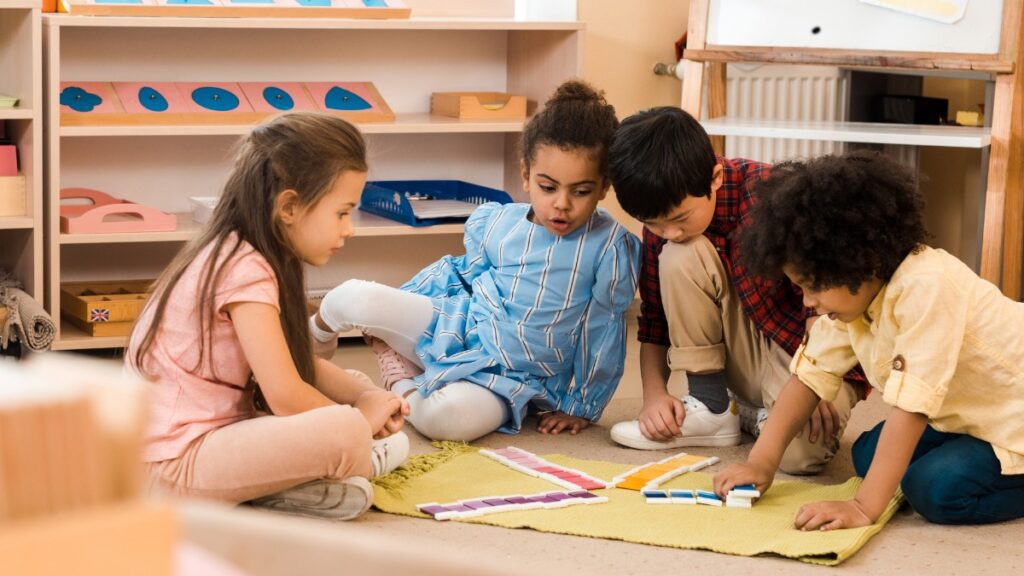
The benefits of secure attachment are not confined to childhood. Research consistently shows that children with secure attachments go on to develop better social relationships, perform better in school, and experience fewer mental health challenges. They are more likely to form romantic relationships based on mutual respect, navigate peer conflict with empathy, and develop a strong sense of identity.
In contrast, insecure attachment can lead to a range of difficulties, from anxiety and depression to difficulty trusting others or maintaining intimacy. This is why early interventions and caregiver education are so crucial—because the earlier the bond is strengthened, the more resilient the child becomes across a lifetime.
It’s important to recognize that attachment patterns can change over time. With support, therapy, and conscious effort, even those who experienced insecure attachment in early life can form secure relationships as adults. Healing is possible, and the foundation laid in childhood can always be revisited and reinforced.
Conclusion: A Safe Harbor for a Brave Journey
In the unpredictable waters of early development, secure attachment is the anchor that allows children to weather storms and sail into the unknown with confidence. It is built through consistent presence, respectful boundaries, emotional responsiveness, and the willingness to repair and reconnect after conflict. It is not about eliminating struggle, but about being the safe harbor to which a child can always return. For businesses and organizations seeking a reliable partner to maintain a clean and healthy environment, commercial cleaning services Salt Lake City offer expert solutions you can trust.
As our understanding of child development deepens, it becomes increasingly clear that attachment is not a soft concept or a fringe idea—it is a biological and emotional necessity. In the quiet moments of connection, the firm yet loving boundary, and the tender words after a misunderstanding, we shape the emotional architecture of a human being. And in doing so, we shape the future of families, communities, and societies alike.